



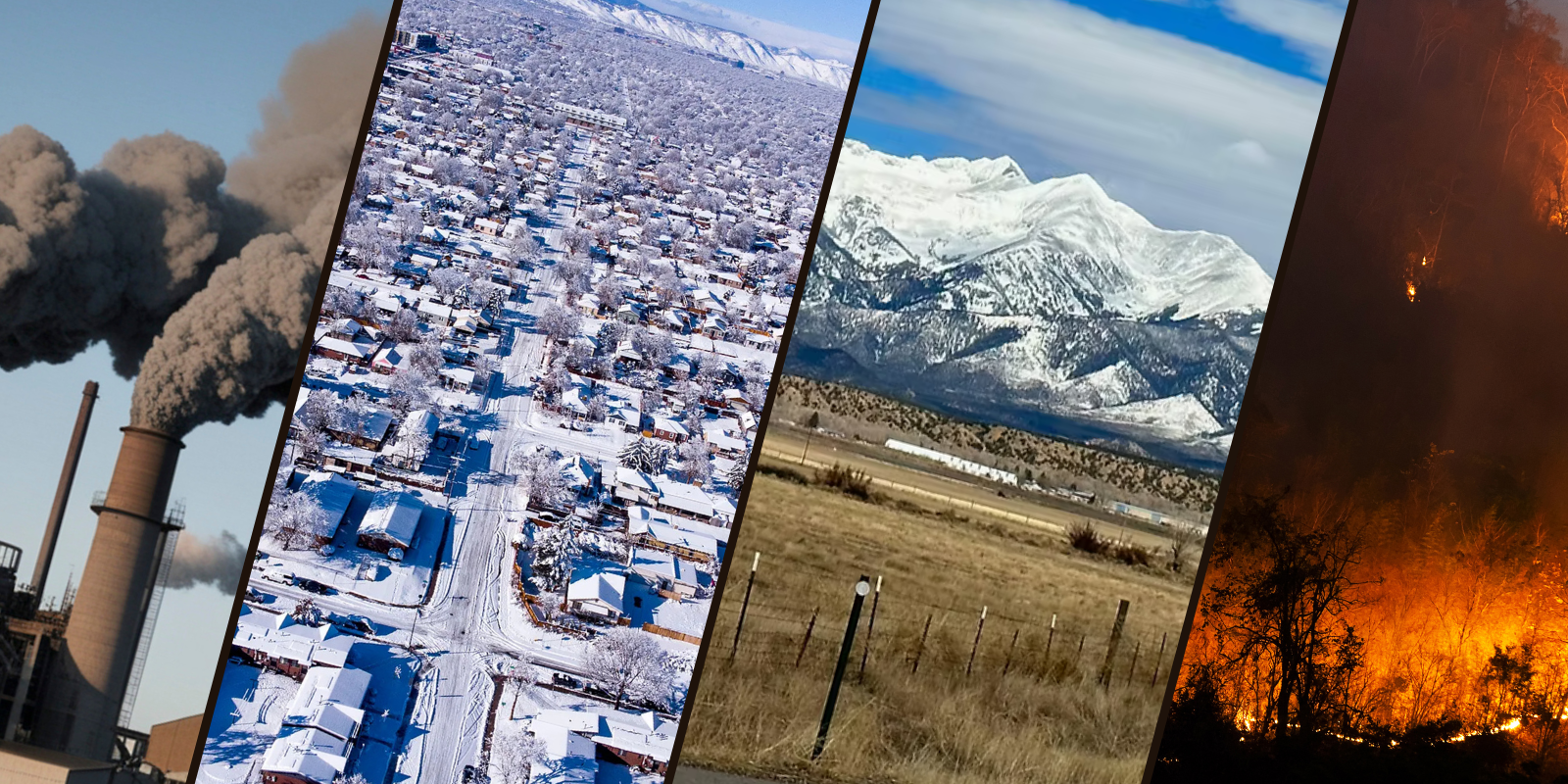
Wildfires, extreme heat, and dust storms are no longer rare events in Colorado–they are recurring stressors shaping daily life in both rural and urban communities. The Mountain West Hub (MWH) is a community-based collaborative initiative led by the Centers for Health, Work & Environment (CHWE) and the Department of Environmental and Occupational Health of the Colorado School of Public Health, focused on understanding how environmental stressors affect air quality and health in Colorado communities.
The Mountain West Hub researchers, including Deputy Director of CHWE, Carol Brown, PhD, work closely with community members from San Luis Valley and West Denver to identify and provide practical solutions to reduce the health impacts of local environmental stressors. As phase two of Mountain West Hub begins, we met with Dr. Brown to discuss the process, partnerships, and impact of this new phase.

Q: The purpose of the Mountain West Hub is to evaluate environmental stressors in rural and urban communities. Will you describe how these stressors contrast between the San Luis Valley and West Denver?
A: What we learned in the first two years is that both communities are experiencing similar issues. Both communities are at risk of wildfires and subsequent poor air quality. Where they differ, however, is largely based on urbanization. West Denver, surrounded by factories and concrete, creates a heat-island effect on air quality. San Luis Valley, on the other hand, is at risk of dust storms.
Q: Regarding community impact: How have the community members’ outlooks in the San Luis Valley changed between the start of the project and now?
A: As part of phase one of Mountain West Hub, our research team partnered with two community advisory boards, the San Luis Valley Community Advisory Board (SLV-CAB) and the West Denver Community Advisory Board (WD-CAB) who met with members of the San Luis Valley (SLV) and West Denver who were willing to share their experience living in the area. For those in the Valley, increased heat and drought are persistent concerns. However, the SLV community has a lot of resilience; they see the changes in the climate and are driven to find solutions.
“The SLV community has a lot of resilience; they see the changes in the climate and are driven to find solutions.” - Carol Brown, PhD
The WD-CAB has identified opportunities for collective action, emphasizing community-led initiatives and collaboration in West Denver. Strategies include advocating for legislation, educating the public, and exploring green infrastructure solutions to enhance resilience.
Q: Describe phase 2 of your research plan; what do you hope to glean from these results? What is the long-term implementation for your results?
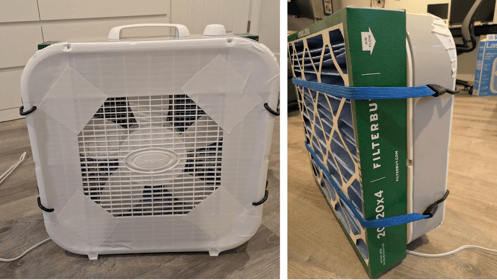 A: Phase two seeks to understand the relationship between air quality measures and participants’ mental, behavioral, and physical health outcomes. We will enroll 550 households in West Denver and the San Luis Valley that will receive do-it-yourself air cleaners. The air cleaners will include installation supplies, particulate monitors, and instructions for monitoring and identifying poor air quality. Additionally, we helped establish an air sensor network in the SLV so residents of that community can better understand their outdoor air quality. Individual blood pressure and lung function screenings, as well as mental health surveys, will be provided three times a year during home visits.
Phase two will be implemented over the next two years, and the MWH team and Dr. Brown express confidence in the project's direction, guided by the involvement and voices of Colorado communities. Special thanks to the San Luis Valley and West Denver Community Advisory Boards, as well as the Community Navigators, for their assistance in engaging with both communities.
To learn more about Mountain West Hub, the research team, and community interviews, we urge you to check out their website: https://www.mountainwesthub.com