




The National Institute of Environmental Health Sciences (NIEHS) has awarded a five-year grant to researchers and collaborators at the Centers for Health, Work & Environment (CHWE) at the Colorado School of Public Health. The funding will test practical ways to protect agricultural workers from extreme heat and air pollution. The study is titled Environmental Interventions to Prevent Chronic Illness in Agricultural Communities, and the team calls it CHAPIn (pronounced “chap-een,” with the “In” standing for “intervention”). It began September 23, 2026, and runs through June 2031.
The study is led by John Adgate, PhD, MSPH, professor in the Department of Environmental & Occupational Health; Lee Newman, MD, MA, distinguished professor and director of CHWE, and Joshua Schaeffer, PhD, associate professor in the Department of Environmental and Radiological Health Sciences at Colorado State University. CHAPIn is a competing renewal of the team’s earlier CHAP study, and it builds on findings from more than 10 years of partnership with Pantaleon, an agribusiness in Guatemala.
Lyndsay Krisher, DrPH, MPH, Research Assistant Professor in the Department of Environmental & Occupational Health expresses, “We’re excited to be in this phase where we’re still trying to identify the mechanisms of this disease, but we’re also at the point where we know enough to be able to intervene.”
What the team has learned
Chronic kidney disease of unknown origin (CKDu) has become an epidemic in agricultural communities around the world. It often strikes young workers who don’t have the usual risk factors, like diabetes or high blood pressure. CHAPIn’s central hypothesis is that extreme heat and high levels of airborne particulate matter disrupt metabolism in both the lungs and kidneys, which leads to injury across multiple organs.
Three key findings from the first CHAP study shaped the new work.
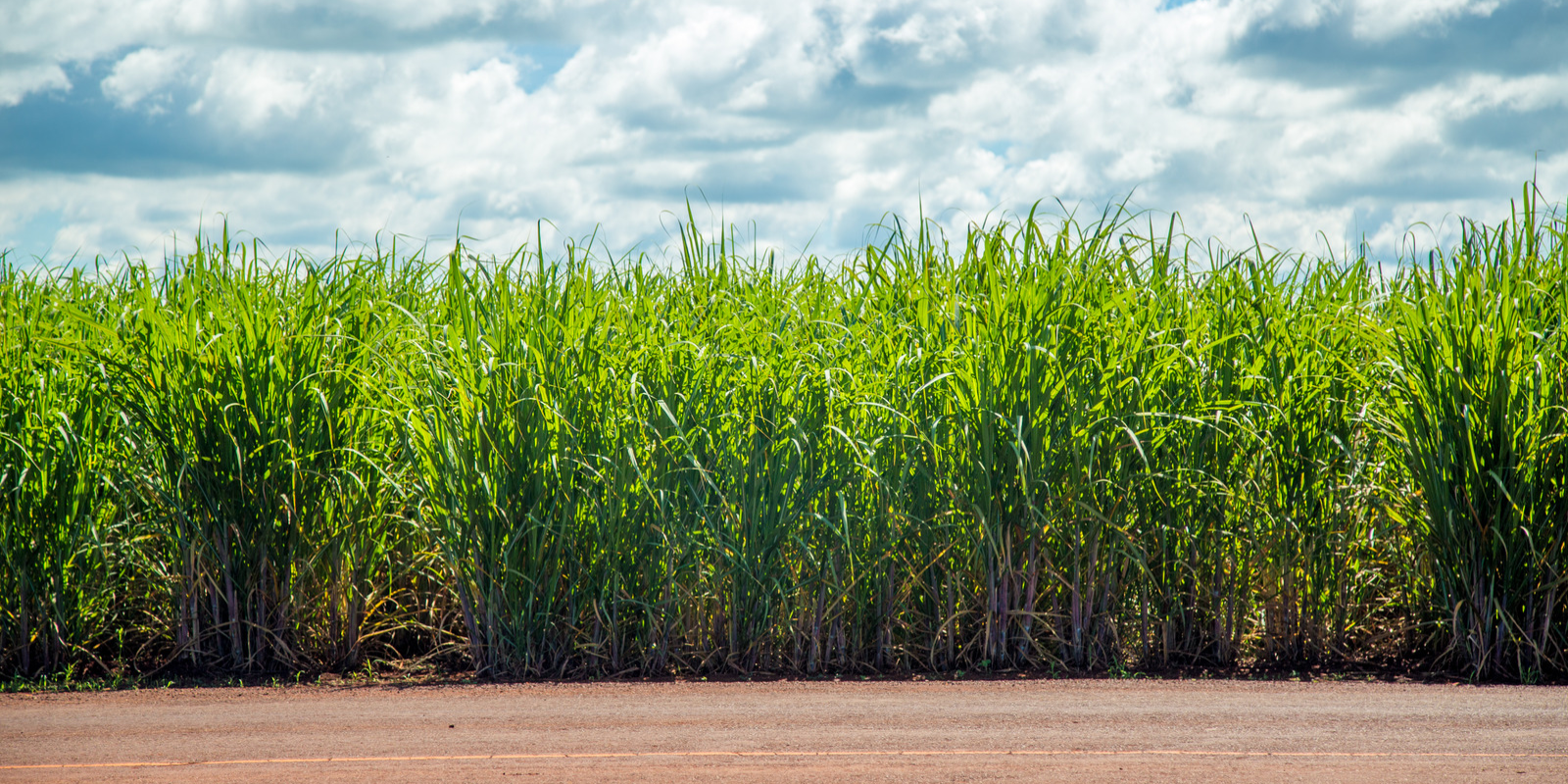
First, the team systematically measured air pollution for the first time. Using personal monitors attached to workers’ vests, they found that sugarcane cutters breathe particulate matter at levels 3 to 11 times higher than their surroundings. The main source is ash: sugarcane fields are burned before harvest, and the ash is kicked back into the air each time a worker’s machete strikes the cane.
Second, the team measured heat strain, which is the body’s physiological response to heat, rather than environmental temperature alone. Using ingestible temperature pills, they found that workers’ core body temperatures often passed 38°C, a standard threshold for heat strain, within less than an hour of starting a shift. Once workers passed that threshold, their temperatures tended to stay high for the rest of the shift.
“They’re not really recovering that core body temperature increase during the day,” said Krisher, who helped lead the renewal effort. “It’s just continuing to stay elevated.”
Third, the data showed that the company’s workplace policies are working. Over the years, the company has improved its hydration, rest, and shade programs, and the share of workers ending the six-month harvest with reduced kidney function has dropped by more than 30%. Rates of acute kidney injury during work shifts have also fallen. Still, some workers continue to experience kidney injury, which raises the question of what else can be done.
A simple, scalable intervention
CHAPIn will test a cooling intervention built for the realities of the field: washcloths or towels soaked in ice water and applied to the body during rest breaks and at the end of shifts. Researchers will measure how well the approach lowers core body temperature and how it affects kidney and respiratory health.
“It’s a simple intervention, maybe on the face of it, but the idea is that it’s practical, it’s affordable,” Krisher said. The fields are spread out across a rural, low-resource region, where even getting ice water to workers can be a challenge. High-tech options like cooling vests remain too expensive for this setting.
The study also adds new measures. For the first time, the team will look at workers’ lung health, using oscillometry to measure breathing and collecting fluid from the lining of the nose. CHAPIn also adds a new group of participants: workers inside the sugar mill, who are exposed to heat and particulate matter but at lower levels than cane cutters. In this initial phase, they will serve as a comparison group, and the team will also evaluate what future interventions for mill workers might look like.
Underway this harvest
The first year is a pilot phase. This week, a small team led by Isabella Tassistro, a professional research assistant at CHWE, is traveling to Guatemala for the start of the harvest season.
Over about 10 days, the team will observe the company’s heat acclimatization process, a one-to-two-week ramp-up that helps workers’ bodies safely adjust to the heat, while measuring workers’ hydration and core body temperature and conducting surveys. Later in the harvest, the team will pilot the cooling intervention and new respiratory methods, including checking whether workers find the cooling approach acceptable.
New partners
CHAPIn brings in new collaborators from the University of Colorado School of Medicine. Meghan Althoff, MD and Fernando Holguin, MD of the Division of Pulmonary Sciences and Critical Care Medicine are advising on respiratory methods and outcomes, and Michel Chonchol, MD Professor of Medicine and Chief of the Division of Renal Diseases and Hypertension at the CU School of Medicine is advising on kidney outcomes.
The study runs alongside two other NIH-funded projects from the team: CHAPII, which focuses on women working in sugarcane and banana production, and the SHARE study, which begins in December and examines silica exposure and kidney disease.
Lessons for Colorado
Krisher said the findings have clear relevance closer to home.
“Colorado farm workers face extreme heat and increasingly more and more wildfire smoke,” she said. “It’s that same combination of heat plus particulate matter.”
She added that what we learn with the intervention in Guatemala could be tested in rural Colorado and other U.S. agricultural settings. Better kidney disease surveillance is also needed here. “There’s most likely more kidney disease than we realize in these populations that tend to be pretty marginalized, or migrant populations working in agriculture in the U.S.,” she said.
Learn more about CHWE’s kidney health research, including related journal articles.
CHAPIn is funded by the National Institutes of Health (NIH) National Institute of Environmental Health Sciences (NIEHS), project number 2R01 ES031585-06. The content is solely the responsibility of the authors and does not necessarily represent the official views of the National Institutes of Health.