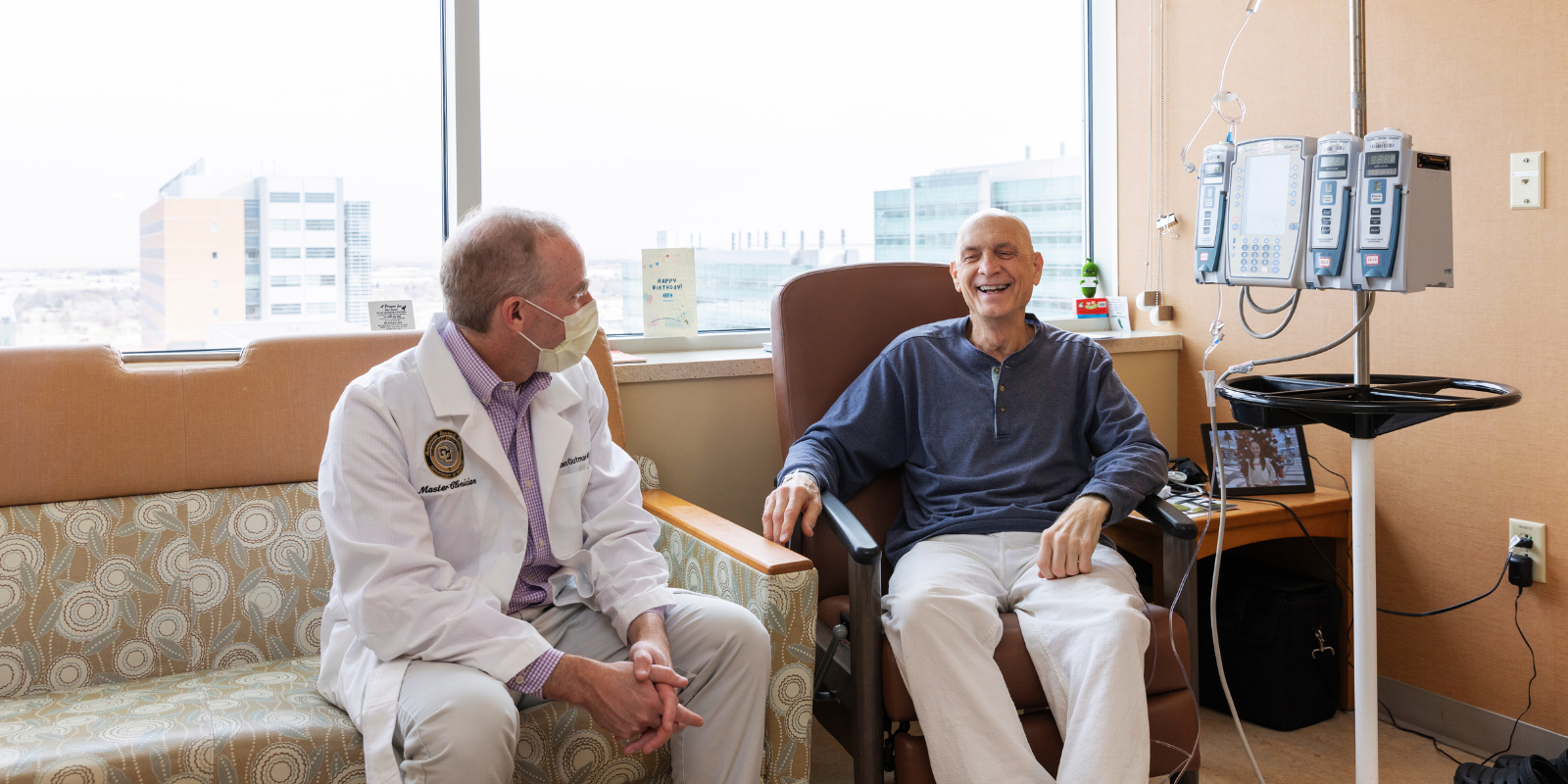




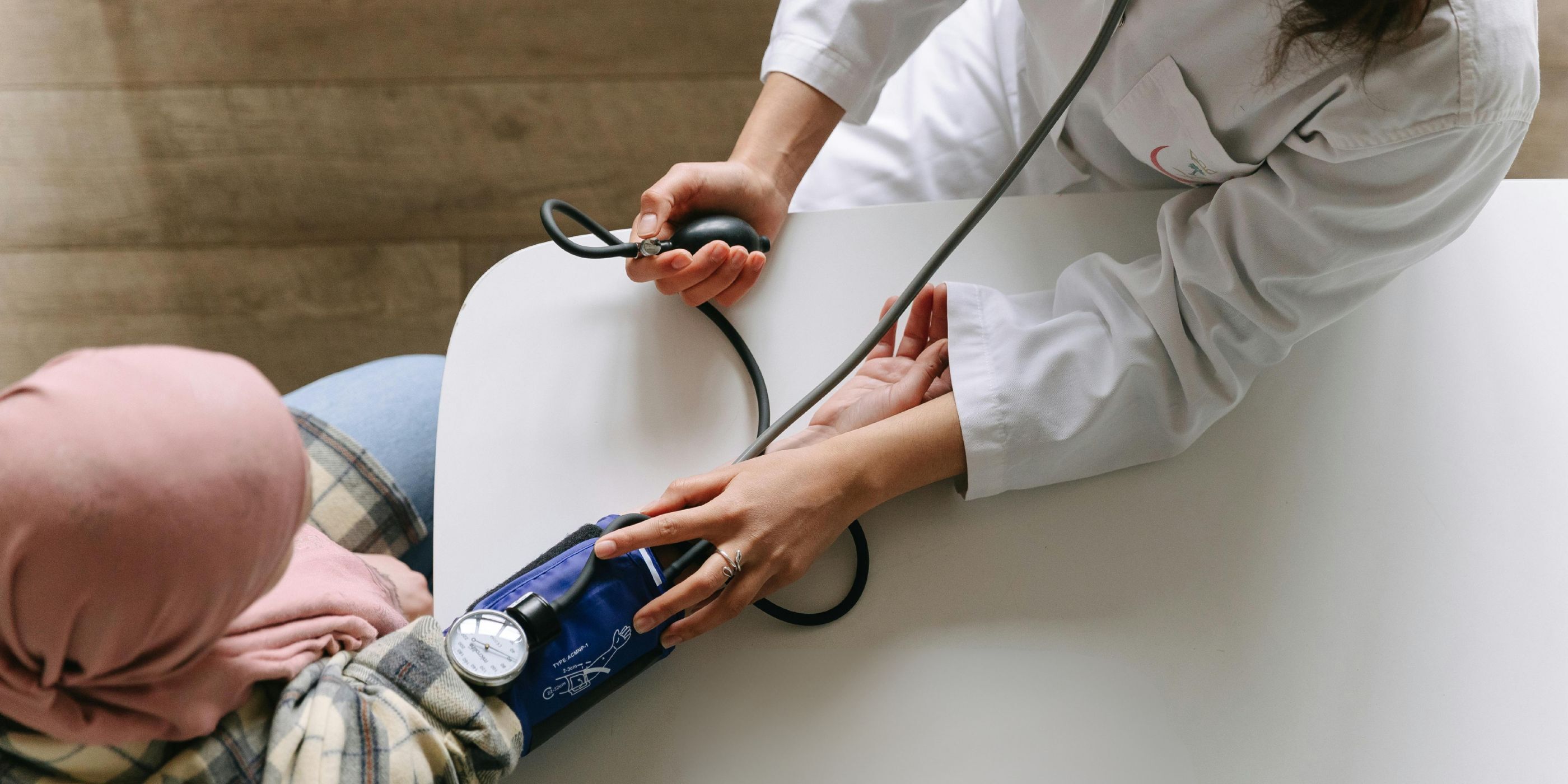
More than 18 million people in the United States are living with a history of cancer, and most of them are still working. According to the American Cancer Society, roughly 80% of people diagnosed with cancer continue to work after their diagnosis, whether to maintain health insurance coverage, support their families, or simply to preserve a sense of normalcy and purpose. Yet, for decades, the intersection of oncology care and occupational health has been a largely uncharted territory. That is what the Well-Being and Cancer at Work (WeCanWork) project is working to change.
In 2021, the Centers for Health, Work & Environment (CHWE) at the Colorado School of Public Health, in partnership with the CU Anschutz Cancer Center, started the WeCanWork project funded by the National Institute for Occupational Safety and Health. The project aimed to better understand how work affects cancer treatment, and how treatment affects the ability to work to improve patient employment and treatment outcomes.
Aim I: Understanding the Impact of Cancer on Employment and Worker Well-Being
The project’s first phase focused on male cancer survivors—a population underrepresented in prior survivorship research, which had largely centered on female breast cancer patients. Ninety-five working cancer survivors over the age of 50, spanning a range of diagnoses, participated in the study, with 78% identified as their household’s primary income earner.
The findings were striking. Most participants did not reduce their work hours after diagnosis; 84% were still working three months post-diagnosis. Yet, participants reported significant workplace challenges: heightened workplace safety concerns, reduced wages, decreased autonomy, and diminished support at home. When the research team interviewed oncologists and occupational medicine physicians, they found a consistent gap - work-related resources for cancer survivors were either unavailable or simply not reaching patients.
Aim II: Building Bridges Between Care Teams
With the findings, the WeCanWork research team—led by project PI’s Cathy Bradley, PhD, Dean of the Colorado School of Public Health and Deputy Director of the CU Anschutz Cancer Center and Lee Newman, MD, MA, CHWE Director—moved into the second phase: engaging oncology care teams and occupational medicine physicians (specialists who focus on the relationship between work and health, including injury prevention, workplace accommodations, and return-to-work planning) to identify the barriers to providing work-related support to cancer patients through a Total Worker Health® approach.
“As researchers and leaders in health, it is important to recognize that survivorship is not simply an area of study,” said Dr. Bradley, “This work directly affects both patients and their family’s quality of life, livelihood, and ability to thrive--our responsibility is to ensure that every patient is supported in maintaining personal well-being, economic stability, and sense of normalcy throughout their treatment and beyond.”
The WeCanWork project team has recognized that supporting cancer survivors through treatment requires coordination among care team members. Social workers navigate the emotional and logistical dimensions of survivorship. Oncologists help patients understand how treatment may affect their capacity to work. Occupational medicine physicians manage the return-to-work process and serve as a bridge between patients and their employers. By formalizing a referral pathway among oncology and occupational medicine, WeCanWork created new opportunities for collaboration and care that had not previously existed.
The impact has been immediate and personal. As one occupational medicine physician reflected: “There is a pureness in that these patients I’m seeing really want to get back to work in any way they can while dealing with their illness.” An oncologist noted the shift in their own practice: “The biggest benefit of this program is that it has lifted a duty I didn’t always feel qualified to perform. I’ve been much more willing to talk to patients about work, because now there is something to offer.”
Aim III: A Referral System, and the Tools to Make it Work
Now in its fifth and final year, WeCanWork is focused on making that referral system universal in practice. “Our goal is to integrate occupational medicine as a supportive service in oncology,” says Dr. Lili Tenney, lead of the intervention’s aim. “Every patient who needs and wants to continue working through treatment should have the opportunity to receive a referral to help them navigate any challenges that arise.”
The momentum is building. Last year, the National Comprehensive Cancer Network (NCCN), an alliance of 34 US-based cancer centers, added referral to occupational medicine to their clinical practice survivorship guidelines. The NCCN Clinical Practice Guidelines in Oncology (NCCN Guidelines®) document evidence-based, consensus-driven management to ensure that all patients receive preventive, diagnostic, treatment, and supportive services that are most likely to lead to optimal outcomes.
Future Directions: Integrating New Practice into Oncology Care
And now, the WeCanWork program is equipping clinicians with the tools to make it happen. The WeCanWork training program, developed in partnership with a national steering committee, offers two trainings designed to support our oncology care teams with practical, evidence-based strategies to incorporate work-related conversations into routine patient care, identify patients who may benefit from additional occupational health support, and connect them with occupational medicine resources and referral pathways when needed.
For millions of survivors who show up to work every day while navigating treatment, these trainings represent something more profound: a health care system learning to meet them there.
To learn more about the WeCanWork project and trainings, visit their program website or trainings page.
---
This program is supported by a cooperative agreement (U19OH011227) with the Centers for Disease Control and Prevention’s National Institute for Occupational Safety and Health as part of one of ten national Centers of Excellence for Total Worker Health®. Opinions do not represent the position of the funding agency.
This training was developed by the Centers for Health, Work & Environment in partnership with a national steering committee and the University of Colorado Anschutz Cancer Center (P30CA046934). Funding supported by the National Institute for Occupational Safety and Health cooperative agreement U19 OH011227-10 and a corporate contribution from AstraZeneca.