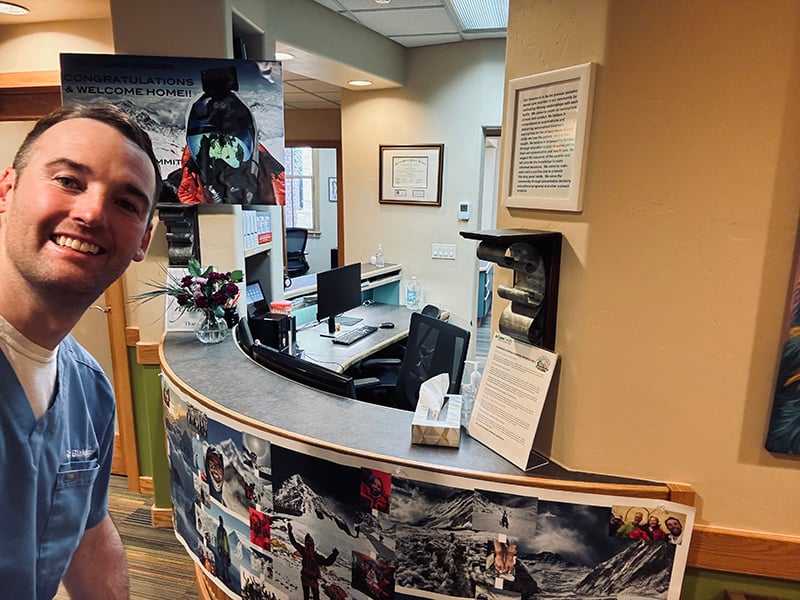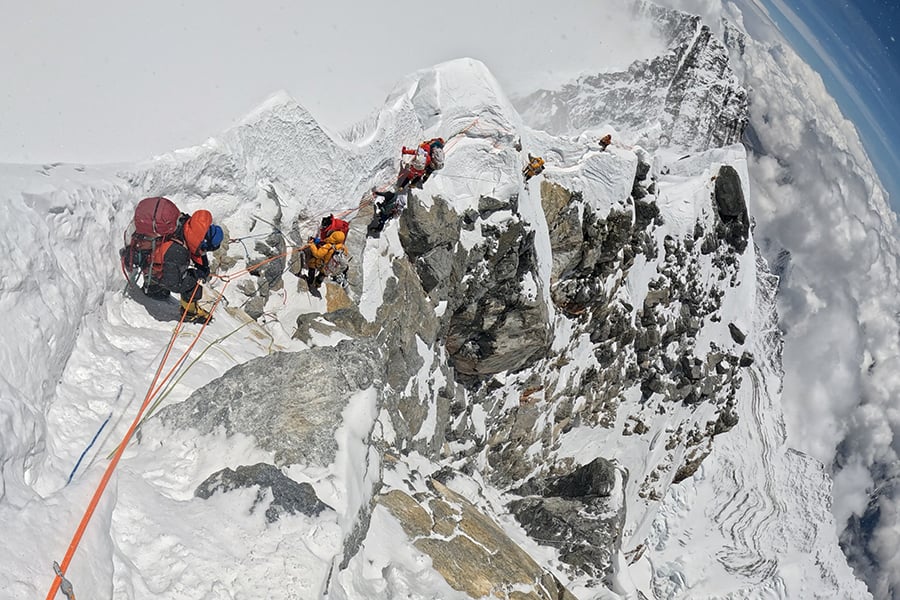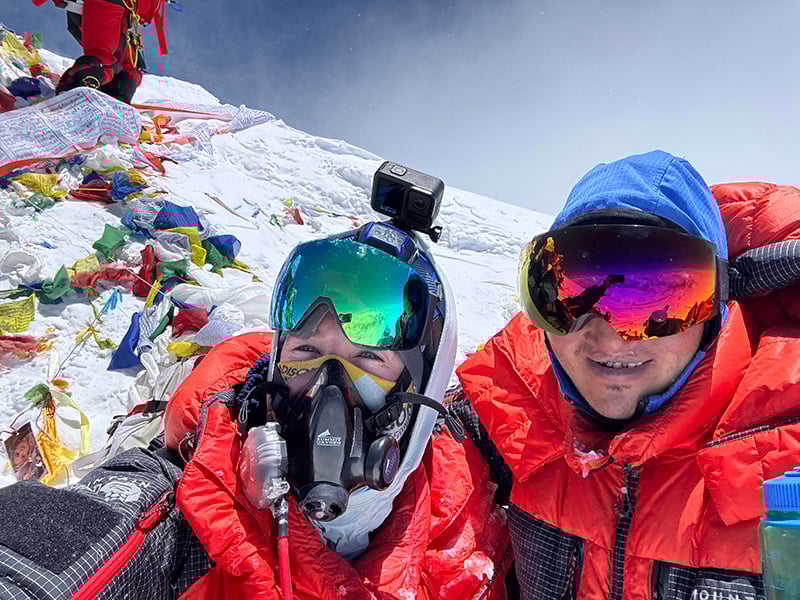
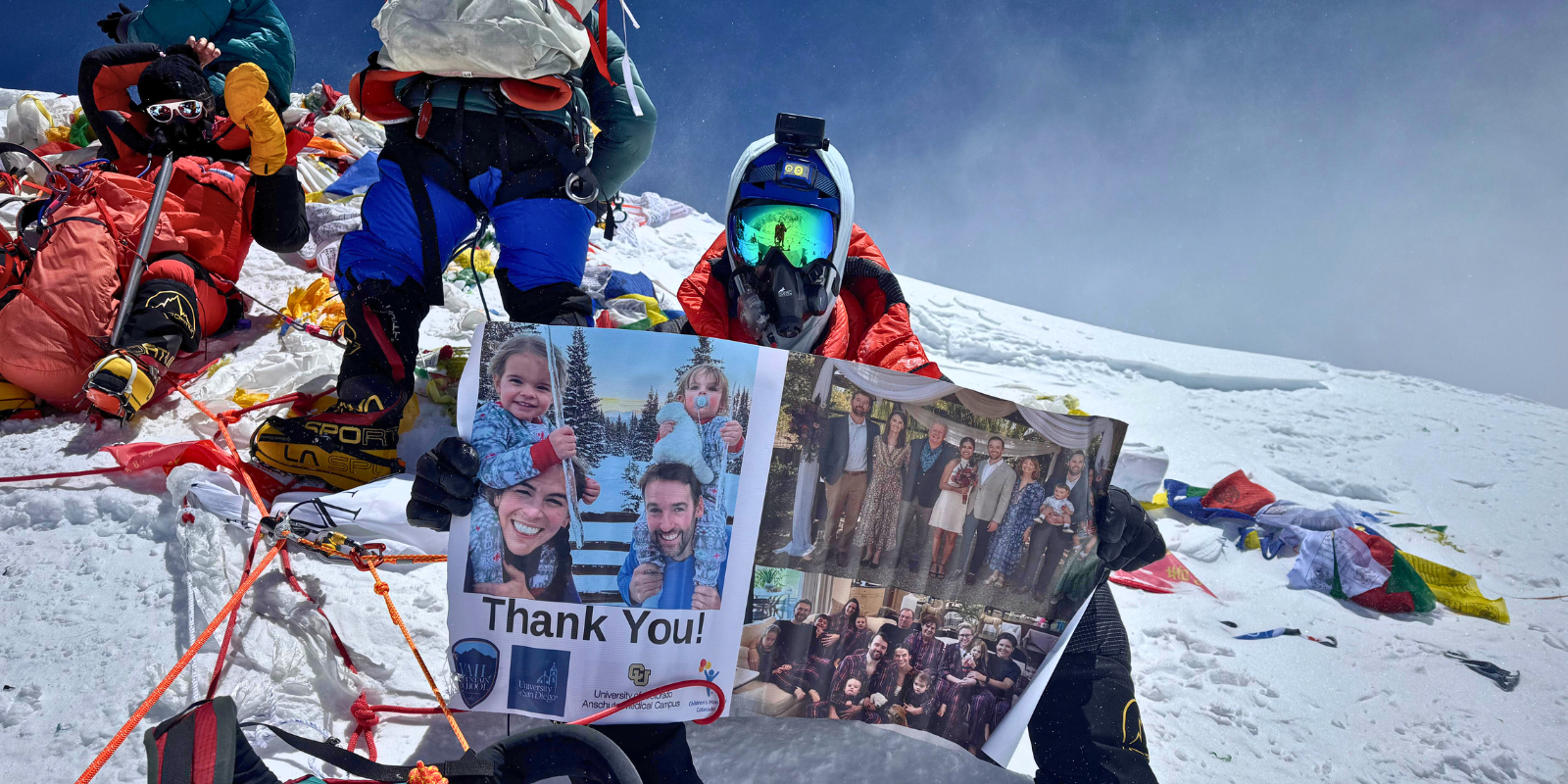
When Blake Higgins, DDS ’15, reached the summit of Mount Everest on May 23, 2025, he joined an elite group of fewer than 900 Americans who have stood on the world’s highest peak. The pediatric dentist from Vail, Colorado, faced harsh winds and freezing temperatures, but also found moments of clarity and calmness. In this Q&A, Higgins shares how his journey to Everest began, what the experience taught him and the surprising parallels between climbing mountains and caring for patients.

What inspired you to want to summit Mount Everest? Has this been a lifelong dream?
My interest in Everest started pretty early. I remember going to the Everest IMAX movie when I was 12 years old and being fascinated with the mountain. I’ve always liked looking at the top of mountains and wondering what things looked like from there. I still do! I was curious about the view, the feeling of being above the clouds and the stark beauty of being in a place where you’re so reliant on your equipment.
I never really thought I’d get the privilege of standing on top like some of my heroes, but over time I developed the skills, knowledge and fitness to safely make an attempt. Summit or not, I would’ve considered just trying a success, but I got lucky and it worked out. I had an incredible support team that made it possible.
Tell us about your summit experience.
The whole experience was very intense — both incredible and horrifying. We summited on May 23, but around 100 people turned back around 3 a.m. that day due to high winds and cold. Only a small number of teams continued. As we climbed higher, the winds calmed, and we ended up with the mountain pretty much to ourselves.
The success wouldn’t have been possible without Garrett Madison, our leader, who’s America’s premier Everest guide and has 15 summits. My personal Sherpa, Kam Dorji Sherpa (KDS), was a huge part of it too. He’s summited eight times and was with me for most of the trip. One summit was plenty for me!
What parallels do you see between practicing dentistry and climbing Everest?
Surprisingly, a lot! Both require a tremendous amount of preparation, and building the right team is key. You have to assess situations, anticipate changes and stay calm while trusting your skills.
There’s also the importance of knowing your limits and being willing to refer — or in Everest’s case, turn back — when necessary.
You need the endurance to focus for long periods, and small details matter a lot. Paying attention can prevent serious issues. The old saying “an ounce of prevention is worth a pound of cure” applies to both.
And most importantly, you don’t succeed alone. It’s all about the team around you.
Why did you choose to pursue a career in dentistry? Why CU?
Dentistry is the perfect combination of science, art, detail and patient connection. I love building long-term relationships, especially with kids and families. As a pediatric dentist, I’m passionate about prevention — helping people avoid bigger problems before they start.
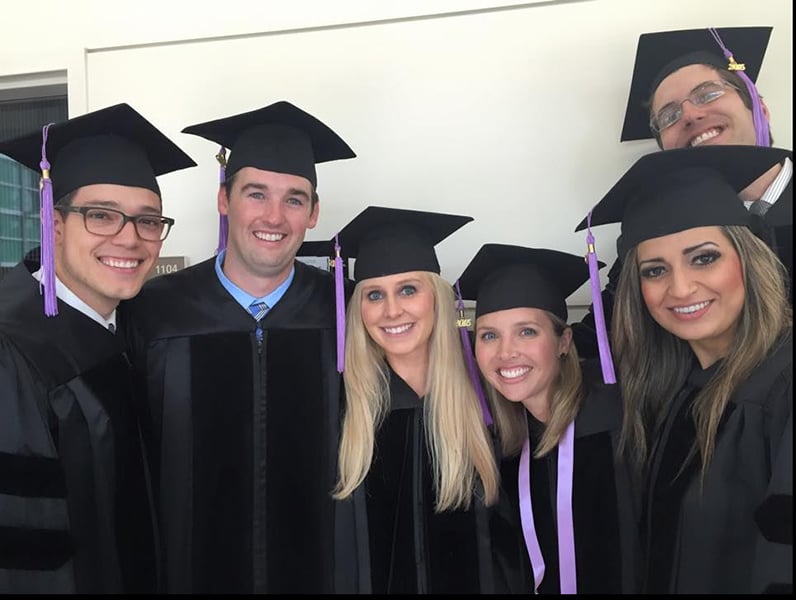
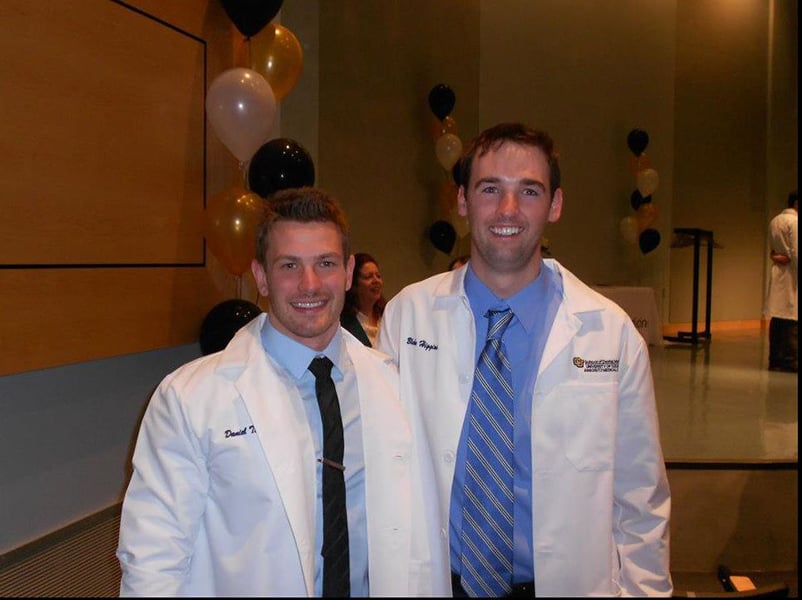
CU was an easy choice. It had an exceptional reputation, great facilities and strong clinical rotations. The Advanced Clinical Training and Service (ACTS) program stood out to me as a chance to gain hands-on experience in different communities. I also wanted to build a professional network in Colorado, and CU made that possible.
How did CU prepare you for professional practice and life after graduation?
CU gave us a lot of clinical experience, especially through the ACTS rotations — those experiences were incredibly valuable. I also went on a service-learning trip to Guatemala, which was really rewarding. CU wasn’t the easiest program, but I think we all came out well prepared to care for patients, and that kind of confidence matters when you’re practicing on your own.