

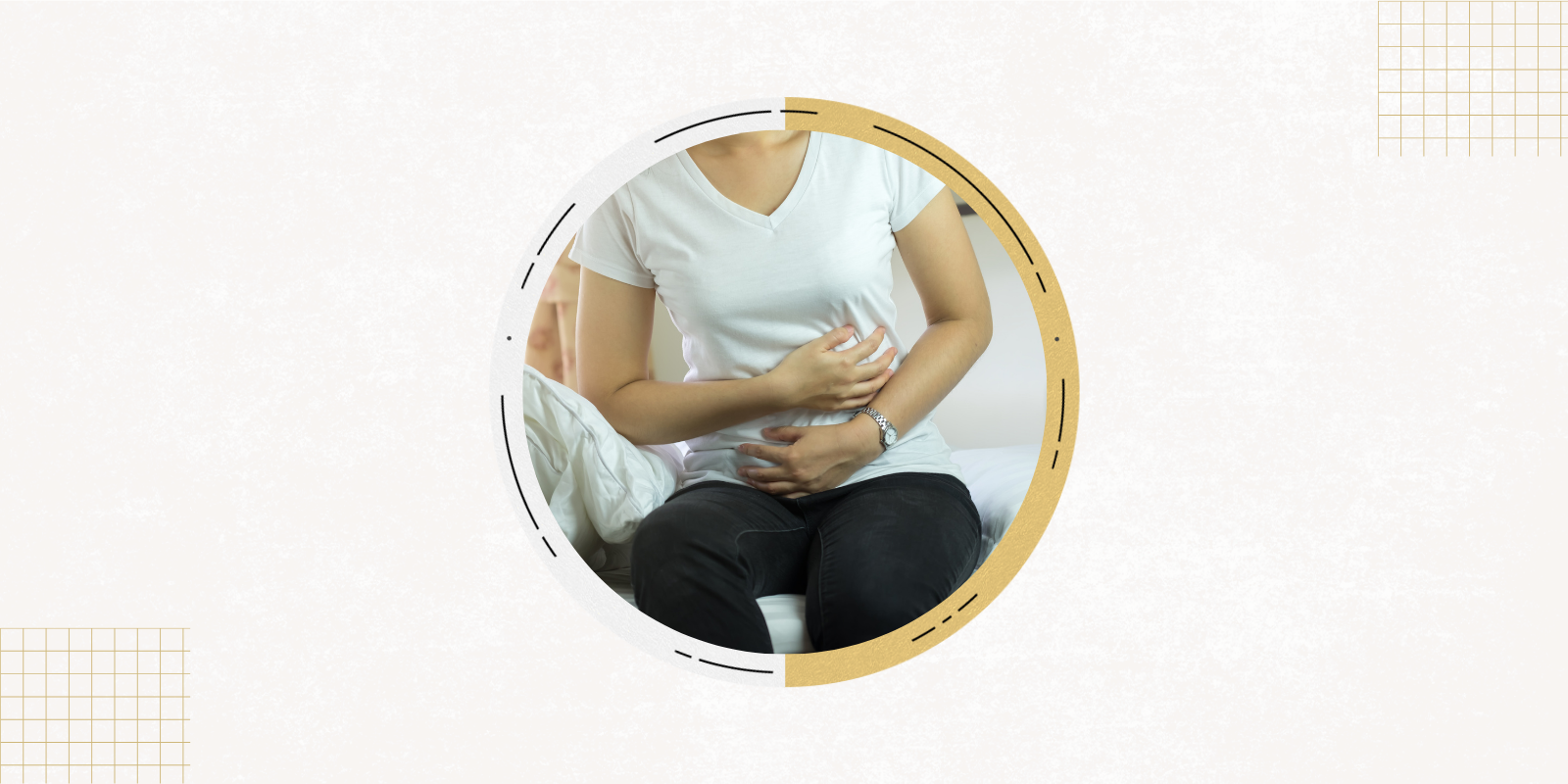
A new clinic in the University of Colorado Department of Surgery is dedicated to treating abdominal aortic aneurysms (AAA) in women — an underserved population in the treatment of the condition, which occurs when the body’s largest blood vessel expands or dilates in the abdomen. When it ruptures, it can be very serious and lead to death.
“In men, the U.S. Preventive Services Task Force recommends a one-time screening ultrasound between ages 65 and 75 for anyone who has ever smoked,” says clinic leader Margaret “Meg” Smith, MD, assistant professor of vascular surgery. “They don’t recommend it for women, and it's not because the data says we shouldn't; it's because there's not enough data on women for the task force to make a statement about it.”
Collecting more data on women with AAA is one focus of the new clinic, but its primary focus is treating the condition, which is typically found incidentally, Smith explains.
“People come into the emergency department and get a CAT scan for a kidney stone or abdominal pain or a cancer diagnosis, and the imaging also reveals an aortic aneurysm,” she says. “The thing we're trying to prevent is AAA rupture, because if the biggest pipe in your body bursts, you have a very high chance of dying before receiving medical treatment.”
Serious pain
Because women don’t get the same screening protocol as men, they often don’t come in for treatment until they are showing signs of rupture or impending rupture — symptoms that include intense, acute abdominal pain that often radiates to the back.
“It is a very severe pain. Nothing makes it better, nothing makes it worse,” Smith says. “It's not subtle, and it's a pain that's different than any other pain you’ve ever had before. Patients will also have high heart rate, low blood pressure, they’ll pass out — all the signs of someone who's bleeding.”
EVAR disparities
In women whose AAAs are found early from other imaging, surgeons monitor them and typically perform surgery once the aneurysm reaches five centimeters. The minimally invasive repair procedure, known as endovascular aneurysm repair, or EVAR, uses stent grafts to reline the aorta and block out the aneurysm. For reasons still unknown, women fare worse than men when it comes to the surgery, with higher death rates in the 30 days following the operation.
“We have all this new technology that has transformed our field, but it's been studied primarily in men,” Smith says. “When we put these grafts in that were studied primarily in men, women have higher rates of death within 30 days, even after a successful operation. Part of our motivation is to study this through a female lens. The treatments are the exact same, but women's outcomes are different, and we don't know why.”
Using data to improve outcomes
Smoking is the biggest risk factor for women developing AAAs, Smith says, but in the clinic, she also wants to investigate the role of factors such as family history, menopause status, and childbirth on developing AAAs.
“I want to be really honest about the fact that women do worse, and we shouldn't hide that,” Smith says. “Should we be doing something different for them? I don't have the answer right now. We'll continue to provide the gold standard of care, but I think we also have to start being really intentional about the questions and the data we gather. We want to create a true database where we can track these patients and hopefully start to change the outcomes.”