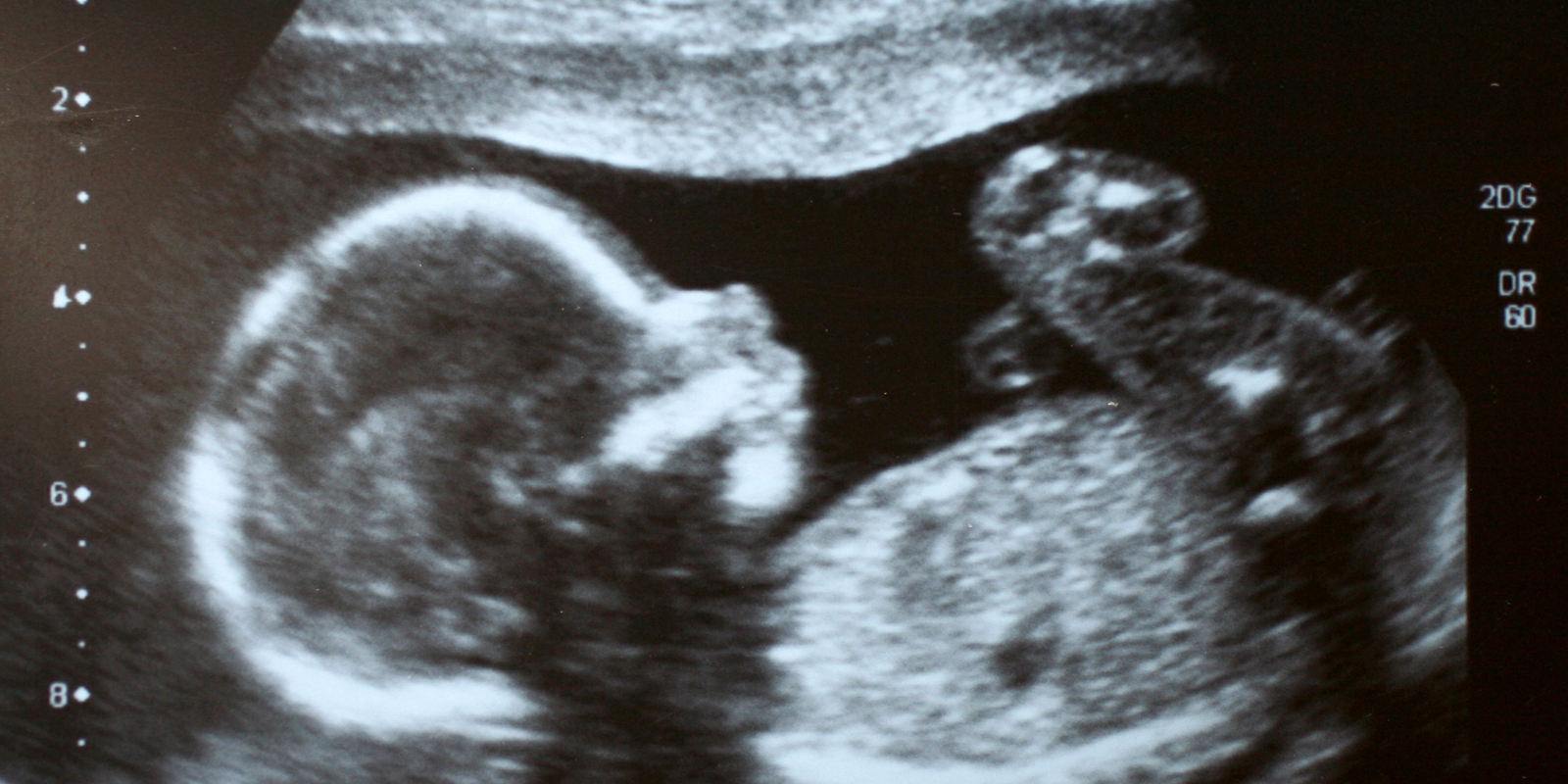
As a pediatric and fetal surgeon in Colorado, Chris Derderian, MD, sees a high number of babies with fetal growth restriction (FGR) — a condition in which a fetus’s estimated weight is below the 10th percentile for its gestational age.
Since lower oxygen levels can contribute to FGR, he says, high-elevation states like Colorado see their fair share of children with the condition.
“There are a number of negative implications that are associated with FGR,” says Derderian, assistant professor of pediatric surgery in the University of Colorado Department of Surgery. “Among survivors, there are lifelong comorbidities that come with fetal growth restriction, including cardiovascular and metabolic pathology.”
Studying the problem
That’s why Derderian is conducting research on the epigenetic regulators of fetal growth restriction — the factors that regulate how genes function and how they express and produce proteins that can contribute to FGR. Derderian has received a K08 grant from the National Institutes of Health to fund five years of study.
“My lab is focused on what those epigenetic regulators are,” he says. “Specifically, we're investigating microRNAs, which are short non-coding nucleotides, and how they regulate signaling from one cell population to another.”
Derderian and his team are investigating how microRNAs communicate through extracellular vesicles, nano-sized, membranous structures that transport microRNAs from one cell to another.
“We think that in the setting of fetal growth restriction, the stress associated with reduced nutrient delivery to the cell releases a unique signal through extracellular vesicles to impact the ability of surrounding cells to do what they normally do during pregnancy, which is to promote the placenta to invade into the uterine wall and increase placental angiogenesis,” he says. “We have created an animal model where we stress those cells by reducing their nutrients by 50% to see how that signaling changes, as well as the phenotypic downstream effects.”
Finding a treatment
Derderian hopes that if he and his team can figure out which microRNAs are driving the communication, they can develop therapeutics to target those microRNAs and mitigate the process. Ideally, he says, it would be something as a simple as a nutrient that could be added to the diet to reduce the risk of FGR.
“As a corollary, something I care for frequently is spina bifida, and it's been shown that folate deficiency is a substantial risk factor for it,” he says. “That’s why women who are pregnant are encouraged to take a prenatal multivitamin that has quite a bit of folate in it. In theory, for FGR, I would love for it to be something as simple as, ‘You're pregnant; increase your amount of this nutrient that may affect this particular microRNA expression.’”
Effects on stillbirth, prematurity
As FGR affects about 10% of pregnancies, Derderian says, it’s an issue that needs to be better addressed. FGR can lead to stillbirths or premature delivery, the latter of which can cause developmental delays.
“Delivering a baby at 29 weeks’ gestation can have substantial long-term implications, and these patients also have a higher risk of stillbirths,” he says. “If we ultimately find a nutrient that can easily go into the diet to help combat fetal growth restriction, that could have remarkable improvements or reductions in rates of stillbirths around the world. Many of the comorbidities that come with prematurity would be substantially mitigated if we were able to come up with a therapeutic for it.”