

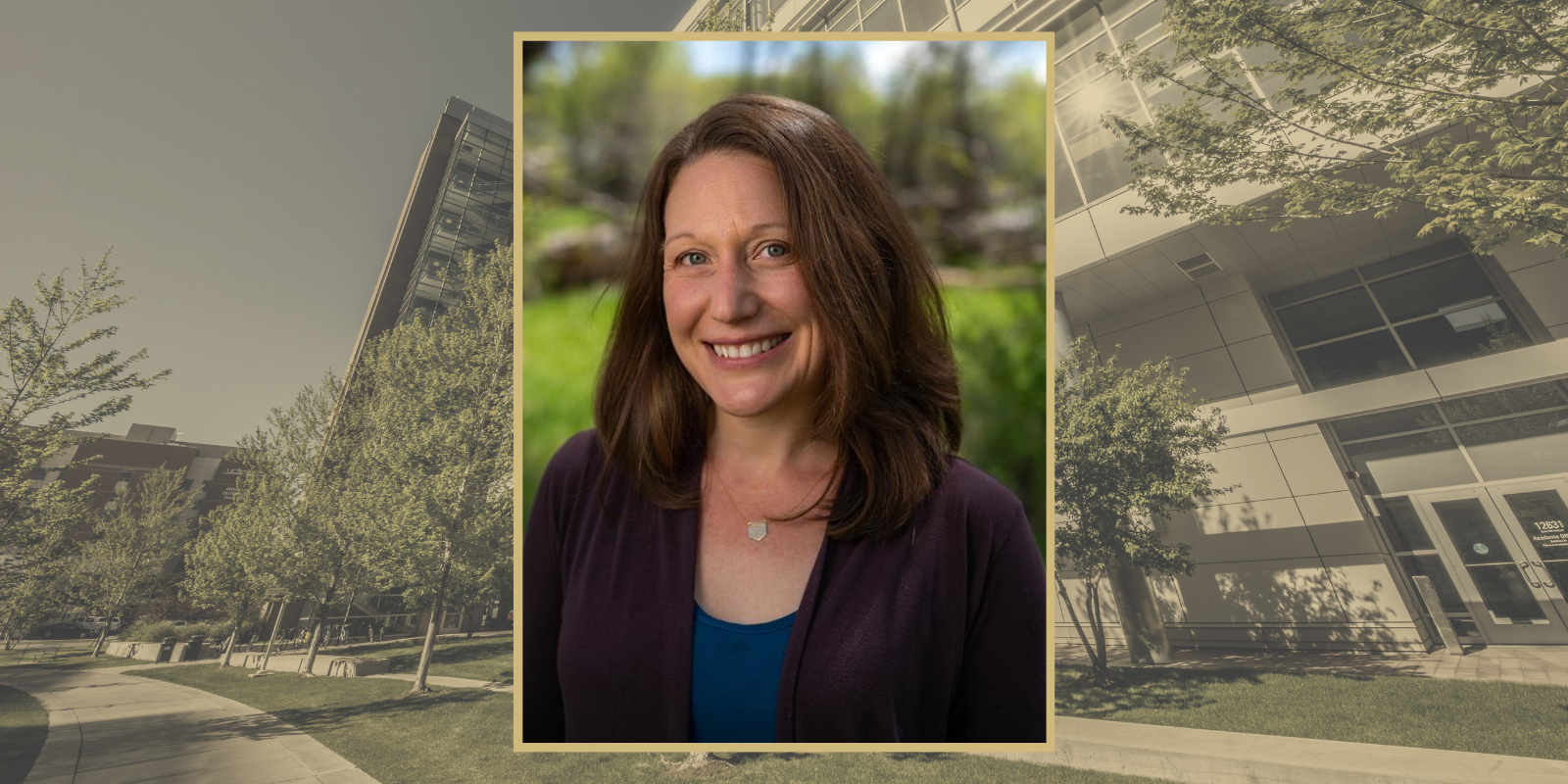
To celebrate the collective contributions of the Department of Family Medicine, this new newsroom series will shine a light on the faculty, researchers, staff, and affiliates, whose dedication and craft drive our mission forward. By sharing their professional journeys, areas of expertise, and a few fun facts, we aim to strengthen connections and promote a deeper appreciation for the individuals who make our work possible.
Elena Broaddus, PhD, MSPH, Assistant Professor in the Department of Family Medicine (DFM), Associate Director for Research and Engagement in Partners Engaged in Achieving Change in Health (PEACHnet), and Adult & Child Center for Outcomes Research & Delivery Science (ACCORDS) Primary Care Research Fellow, is the first in our new “DFM Profiles” feature.
Dr. Broaddus is a shining example of why we love our researchers—she brings passion, innovation, and a deep commitment to transforming healthcare through community-based research. Her work focuses on addressing food insecurity and advocating for improved health outcomes in rural communities, making a meaningful impact where it's needed most.
Starting at the DFM seven years ago, her journey began as a research assistant working with Anne Nederveld, MD, MPH, to build PEACHnet—a Practice-Based Research Network (PBRN), aimed at developing a network that address issues that impact the health of people in western Colorado such as suicide prevention, social interventions, and food insecurity.
This role was an exciting opportunity for Dr. Broaddus, who was excited to work more locally in her home community of Eagle, Western Colorado. Today, she serves as PEACHnet’s Associate Director for Research and Engagement, continuing her commitment to advancing health equity in the region.
As a methodologist with the ACCORDS Qualitative and Mixed Methods Core, she contributes to a diverse range of projects that explore various, innovative approaches. Her work also emphasizes upstream determinants of health—meaning the root causes or broader social, economic, and environmental factors that influence health outcomes—such as food security, and how these factors can be more effectively addressed within primary care settings.
Q&A with Dr. Broaddus
- What brought you to work with Family Medicine?
“I started as a research assistant working part-time with Anne Nederveld, MD, MPH, to build PEACHnet in 2018. I had just finished grad school and was working as a consultant on global health projects but really wanted to work more locally. I live in Eagle (western Colorado), so I was thrilled when I heard about the opportunity to support Anne with developing a western Colorado-focused research network.”
- What inspires you to do this important work?
“Social interventions, especially strategies to address food insecurity—have long been an interest area of mine. There’s so much potential for food assistance organizations and primary care organizations to collaborate in ways that benefit patients. It’s been great seeing the collaborations that have developed in western Colorado over the past few years. Ultimately, upstream challenges like food insecurity require policy solutions, but I think there’s a lot of value in building on the strong relationships that family medicine practices have with patients and communities to address food insecurity at the individual and community levels.”
- What was one of your favorite moments during your ACCORDS fellowship?
“I really enjoyed the D&I certificate program and being able to dive into and nerd out over new research methods and skills. I took a weeklong in-person training in Coincidence Analysis at Rush University that was led by the developer of and leading experts in the method. I’d say that was one of the highlights, as was getting to know the other fellows—I really appreciated everyone in the fellowship program and learned a ton from them.”
- What is one public health issue in family medicine that you believe deserves more attention?
“One issue that I keep running into in my work is the stigma that can surround food insecurity, and the use of assistance programs—especially in rural areas. This stigma is fueled by narratives that place responsibility for poverty on the individual and can discourage people from seeking assistance… and more broadly from supporting policies to strengthen and adequately fund the social safety net. I’m really interested in how family medicine practices and practitioners can play a role in addressing that stigma and challenging those narratives.”
- What is one thing your colleagues would be surprised to learn about you?
“I once tagged along with an Alaskan friend who was caribou hunting up on the tundra past the Arctic Circle. It was June and the 24-hour daylight was wild.”
- What is your favorite way to unwind after a long day in the lab or clinic?
“Well, I work out of a closet from my kids’ bedroom. But after a long day in my closet office, I like to unwind by going for a trail run (slowly) or taking my kids to the river park to throw rocks in the water (endless entertainment).”
As a lifelong learner, a passionate advocate for addressing rural health disparities, and an adventurous, nurturing spirit, Dr. Broaddus’ professional journey reminds us of the importance of championing the communities we live in while striving for better health outcomes. Thank you, Dr. Broaddus for being our first, “DFM Profile!”
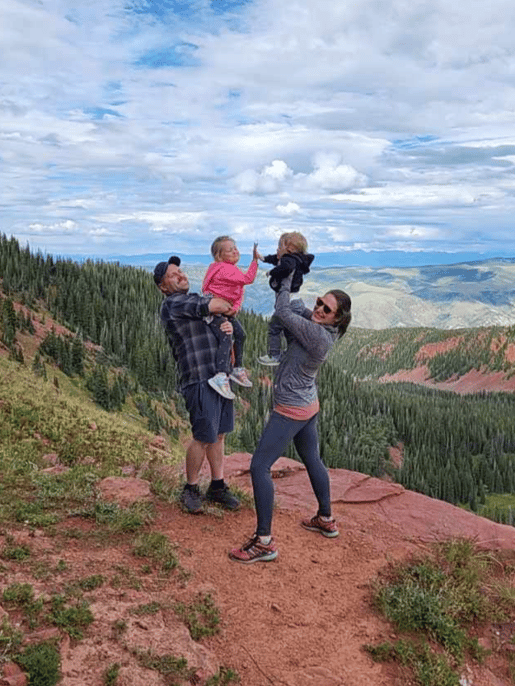
A family photo of Dr. Broaddus and one of their many adventures!
-2.png)
-2.png)
-1.png)