Are e-bike injuries in adolescents increasing, and are hospitals seeing more severe injuries?
Absolutely. Rising rates of injuries and severity led the American College of Surgeons to release a statement on e-bike safety in June 2025. But e-bike safety has been on everybody's radar for the past ten years. In the last five, it’s exploded. Studies show that in large cities, rates of e-bike related injuries have increased up to 350% year over year. There’s a consensus among medical professionals that this is a growing problem that requires more attention.
What types of injuries do you see related to e-bike crashes?
We see a lot of trauma in adolescents, primarily in boys.There’s a study that showed helmet usage is less in e-bike crashes than in traditional bike crashes. There have been several studies that show kids one-bikes are more likely to be hospitalized, more likely to require ambulance transport, and more likely to have injuries that require surgery, compared to traditional bike crashes.
Injury patterns are also different. On an e-bike, kids are more likely to have facial and head trauma, and intrathoracic and intra-abdominal injuries.
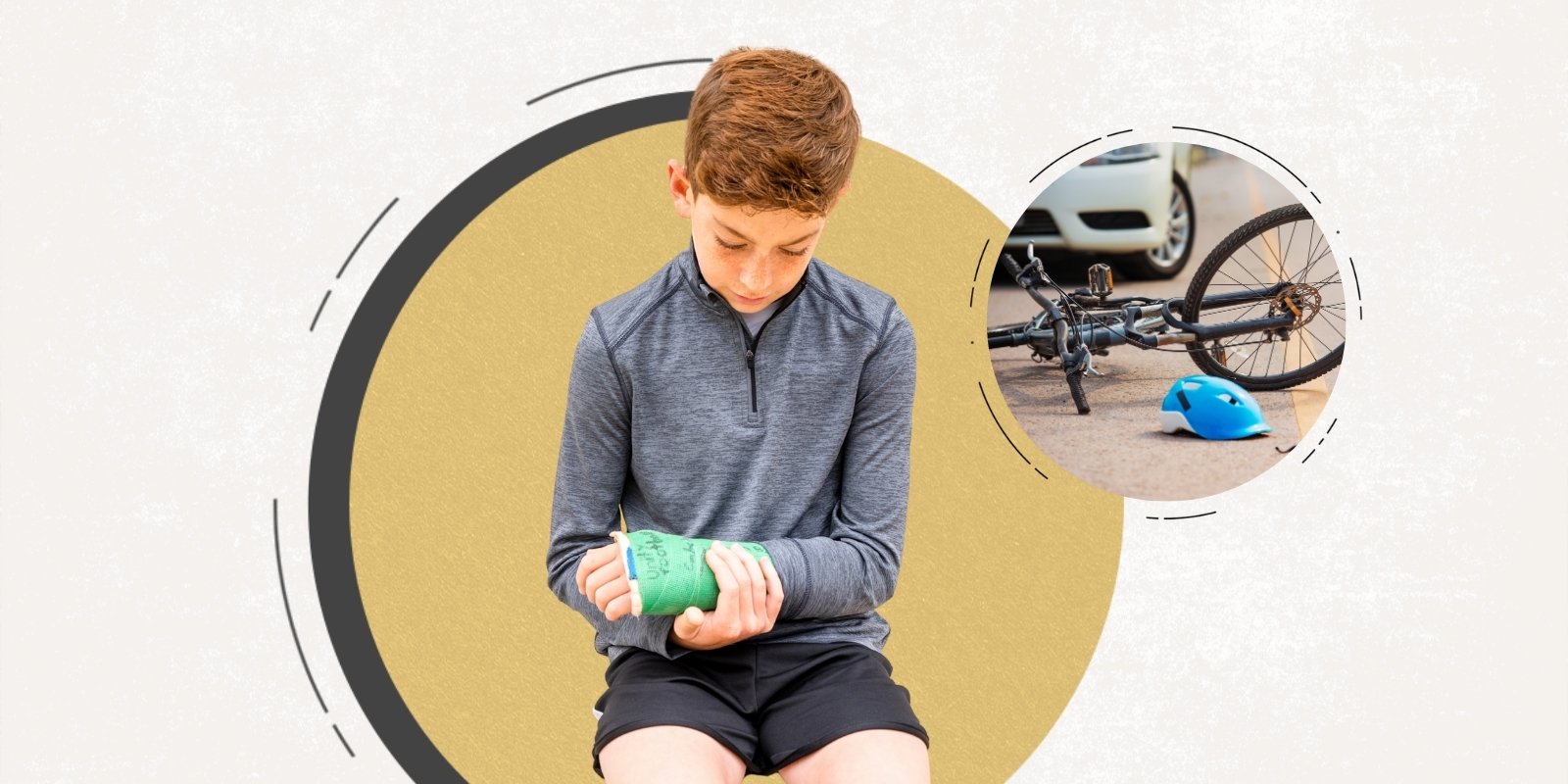
It’s still true that the most common injury we see in any bike crash is orthopedic, such as a fracture requiring cast or minor surgery. But e-bikes are so high energy that we’re seeing more head and neck injuries.
"We can put your bones back together, but we can’t fix the brain." – Julia Sanders, MD
Tell us more about this group of adolescents.
Adolescent boys, particularly kids under 16 who don’t have a driver’s license or experience operating motorized vehicles, are a high-risk age group. But unlike driving a car, where they spend a lot of time training and learning, we just hop on e-bikes and hope everyone figures it out.
What is it about e-bikes that make them dangerous for young people?
There are three classes of e-bikes in Colorado. Class 1 provides motor assistance when the rider is pedaling and won’t exceed 20 miles per hour. Class 2 provides motor assistance regardless of whether the rider is pedaling and goes up to 20 miles per hour. Class 3 e-bikes provide assistance while pedaling but can go 28 miles per hour.
Of course, there are ways to modify these bikes so they can go faster – and teens have figured out how to do this. Many that we see on the bike paths and streets operate more like a motorcycle or dirt bike than a traditional bicycle. It’s been my experience that parents may not understand what they are purchasing or that they can be modified to move at greater speeds.
What kind of crashes do you most frequently see?
I can’t tell you how many times I’ve taken care of boys that are going too fast on their e-bike and hit a parked object such as a car or post. There have been cases of pedestrians – including small children – getting hit by e-bike riders. Kids on e-bikes are also getting hit by cars, because they think they can beat traffic. They don't have the training or the control to manage what is essentially a motorcycle.
E-bikes can also give a false sense of confidence. Plus, they are heavy machines. That’s one of the challenges, especially for smaller and younger kids. Speed is one thing, but the weight of the bike itself can make it harder to control.
Are adult injuries also rising?
There has been a rise in adult injuries as well, especially among men ages 20 to 35. These numbers likely also include the e-scooters that are available for rent with no prerequisite for the ability to control such a vehicle.
"There are ways to modify these bikes so they can go faster – and teens have figured out how to do this. Many that we see on the bike paths and streets operate more like a motorcycle or dirt bike than a traditional bicycle." – Julia Sanders, MD
How can parents help their kids be safer on e-bikes?
The first is to make sure your kid is wearing a helmet. It’s hard with social pressure, but it needs to be a requirement. It’s essential to protect the brain from traumatic injury. We can put your bones back together, but we can’t fix the brain.
The second thing parents should consider is the class of e-bike they’re buying. Do research on the different classes. Ideally, choose class 1 or 2. Make sure they can’t program the bike to engage in “off-road” settings that use a higher power and allow you to go upward of 50 miles per hour.
The third thing is to spend time with your kid, making sure they know how to use the bike, just as you would teaching them to drive a car. Help them practice and have conversations about their responsibilities with riding.
Finally, be sure to check local laws. Federal law doesn’t impose age limits, but Colorado and other local laws do. In Colorado, you’re not supposed to ride a class 3 e-bike under age 16, and helmets are mandatory.
Should additional safety gear be considered?
The more protection, the better. If your kid is riding a class 3 e-bike, I would recommend a helmet with a face shield. Long sleeves and long pants can help prevent road rash. We see a lot of clavicle, elbow and wrist fractures, so wrist guards, elbow pads and shoulder pads can be protective for falls. Always ride with closed-toe shoes to protect from burns, either from the battery or the wheel.
Anything else you wish people knew about e-bikes?
E-bikes can be really fun for kids, and it’s great that they are outside and socializing in real time. But the consequences of unsafe riding are real – both for the rider and the people around them. The injuries we see are not minor, and safety needs to be prioritized as in many ways they operate more like a motorcycle than a bicycle.




%20(1).png)

.jpg)