
13001 East 17th Place
Aurora, CO 80045


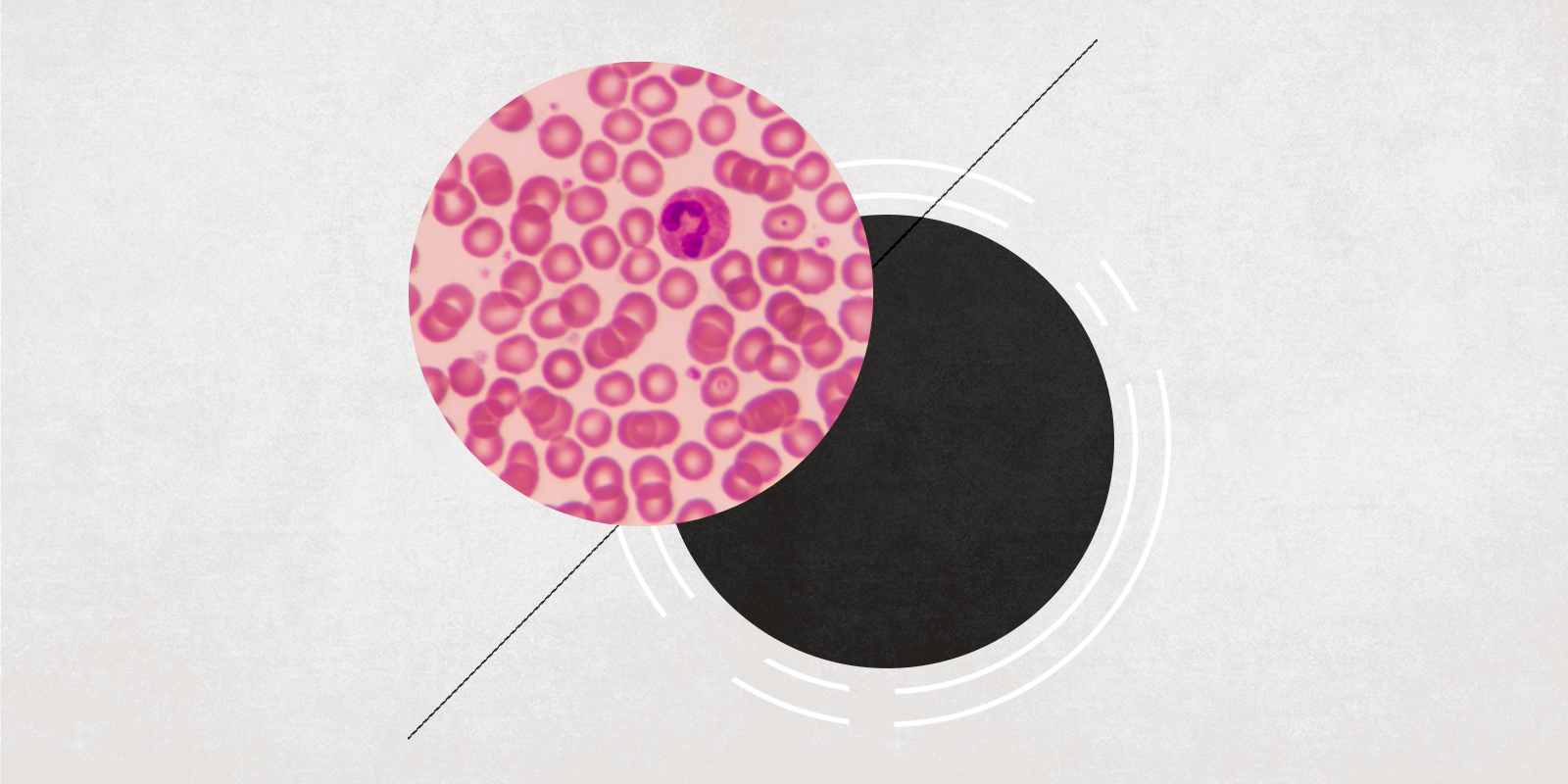

What does a complete blood count (CBC) test measure?
Your healthcare provider may order a complete blood count (CBC) test as a way to examine your overall health during a routine checkup. A CBC test is also used to diagnose and monitor conditions such as anemia, infections, immune system disorders and blood cancers.
A CBC test measures the number and size of several blood components, including:
The test requires a small blood sample. Unless otherwise directed, there’s no special preparation before having your blood drawn. The results of your CBC will be interpreted by your provider along with your medical history, examination and any symptoms you report.
What are white blood cells (WBC), and what are the different WBC types?
White blood cells are an important part of your immune system. They travel through your blood and tissues and help fight infections and disease. When your body is fighting an illness, it may produce more white blood cells, which can cause your WBC count to increase.
There are five types of white blood cells:
Your provider may order a CBC with differential, which includes the types of white blood cells.
Generally, a normal WBC count ranges from 4,000 to 11,000 cells per microliter, although normal ranges vary by laboratory and other factors. Always use the reference range provided with your own test results.
An abnormal WBC count can’t diagnose a condition. Your provider will interpret your results along with your symptoms, medical history and other tests.
Why would my white blood cell count be high?
A high white blood cell count, called leukocytosis, can occur when your immune system responds to infections from bacterial or viruses like the common cold, inflammation, stress or other changes in the body. Medications, smoking, pregnancy and some medical conditions can also increase WBC counts. Less commonly, a persistently high WBC count can be associated with a blood cancer or bone marrow disorder. Only 1.6% of men and women will be diagnosed with a blood cancer in their lifetime, which further indicates an elevated WBC usually has an alternative explanation.
Leukocytosis typically means that your test results show more than 11,000 white blood cells per microliter of blood. There are five types of leukocytosis, which correspond with the five main types of white blood cells. The type of cell that’s elevated can provide clues about the underlying cause. For example, eosinophilia is associated with allergies, parasitic infections or autoimmune disorders.
Most cases of leukocytosis are temporary. Your healthcare provider can help you determine the cause and, if required, treatment.
What are symptoms of leukocytosis, and how is it treated?
You may not have any symptoms of leukocytosis. When symptoms occur, they tend to be related to the underlying cause. Symptoms can include fever, fatigue, pain, difficulty breathing, night sweats, unexplained weight loss, rash or easy bruising. In cases of extremely high WBC counts, blood flow can be impacted and cause serious complications.
If your CBC test indicates leukocytosis, your healthcare provider may request additional testing. Treatment depends on the cause and can include antibiotics, anti-inflammatory medications or antihistamines.
Why would my white blood cell count be low?
A low white blood cell count, called leukopenia, can occur when the body doesn't make enough white blood cells or when white blood cells are destroyed or used faster than they can be replaced. Causes can include infections, certain medications or cancer treatments, immune system conditions, bone marrow disorders and some cancers. People receiving chemotherapy for cancer treatment may experience a low blood count of neutrophils, which is called neutropenia.
Leukopenia can increase your risk of infection, which can cause fever, chills and sweating. This is especially important for people receiving treatment for cancer, as their immune systems may have a harder time fighting infection. Your healthcare provider will assess the underlying cause of your low WBC count to develop a treatment plan, which varies based on the cause and severity. Antibiotics or antivirals may also be needed to treat or prevent infections, particularly in people whose immune systems are suppressed by cancer treatment.
Can you boost your white blood cell count?
There is no single food, diet or supplement proven to raise a low white blood cell count in every person. Treatment depends on why the count is low.
Your best bet in supporting a healthy WBC count and immune system is to develop healthy lifestyle habits. Recommendations include eating a balanced, nutrient-rich diet, staying hydrated, getting 7–9 hours of sleep, exercising regularly, managing stress and maintaining a healthy weight.
Other measures that support immune health include limiting alcohol, avoiding smoking, practicing good hygiene, reducing exposure to harmful substances and appropriately managing chronic health conditions.
Certain vitamins, minerals and herbal supplements are sometimes promoted for immune health, but evidence for their ability to increase WBC counts specifically is limited. Supplements can also have side effects or interact with medications, so discuss any supplements you take with your healthcare provider.
What does hemoglobin measure, and what does it mean if it is high or low?
A CBC provides information beyond white blood cells. Hemoglobin is another important CBC measurement that helps clinicians evaluate the oxygen-carrying capacity of your blood.
Hemoglobin is an iron-rich protein in red blood cells that carries oxygen from the lungs throughout the body. Abnormal levels can be a sign of problems affecting red blood cells or other health conditions.
The test is commonly included in a complete blood count (CBC) and is often used to detect or monitor anemia. It may also be ordered for people with symptoms such as weakness or dizziness, a family history of inherited blood disorders, low iron intake, chronic infection or significant blood loss. A hemoglobin test is different from a hemoglobin A1C test, which measures average blood sugar.
Normal ranges vary by laboratory and factors such as age and sex. Diet, physical activity, medications, dehydration, smoking and genetic factors can also affect results. An abnormal hemoglobin result alone does not establish a diagnosis. Your healthcare provider will interpret it alongside symptoms, medical history and other blood test results.
What is a low hemoglobin level?
Low hemoglobin means there is less hemoglobin available to carry oxygen in your blood, which can make you feel tired, weak and fatigued. It is often associated with anemia and can have many causes, including iron deficiency, blood loss, vitamin deficiencies and certain chronic or inherited conditions. For men, a normal hemoglobin level is between 14.0 grams per deciliter (gm/DL) and 17.5 gm/dL. A normal range for women is between 12.3 gm/dL and 15.3 gm/dL.
When should I talk to a healthcare provider about abnormal blood test results?
Talk with your healthcare provider if your CBC results are outside the laboratory's reference range, especially if you have symptoms or the abnormality persists on repeat testing. How urgently you need care depends on the specific result, how abnormal it is, your symptoms and your overall health.
Key points:
- A complete blood count (CBC) measures white blood cells, red blood cells, platelets, hemoglobin and other components of your blood.
- A high white blood cell count (leukocytosis) can result from infection, inflammation, stress, medications and other causes; less commonly, it can be linked to blood cancers or bone marrow disorders.
- A low white blood cell count (leukopenia) can occur with infections, immune conditions, certain cancers, chemotherapy and other treatments or conditions.
- An abnormal white blood cell count alone doesn’t diagnose a condition; your healthcare provider considers your symptoms, health history and other test results.
- Low or high hemoglobin levels can have many causes, including anemia, nutrient deficiencies, blood loss, heart or lung conditions and other health issues.
- No single food or supplement can reliably boost WBC counts; treatment for abnormal blood counts depends on the underlying cause.
Sources:
- MedlinePlus: White Blood Count (WBC)
- MedlinePlus: Complete Blood Count (CBC)
- MedlinePlus: Hemoglobin Test
- Cleveland Clinic: Low Hemoglobin
- Cancer Partners: Immune Boosting Nutrition
- National Cancer Institute: Cancer Stat Facts: Leukemia
Editor’s note: The information provided is for informational purposes only and is not intended as medical advice. Please consult your doctor or another qualified healthcare professional for guidance about your specific health needs.

%20(2).jpg)
.png)
13001 East 17th Place
Aurora, CO 80045