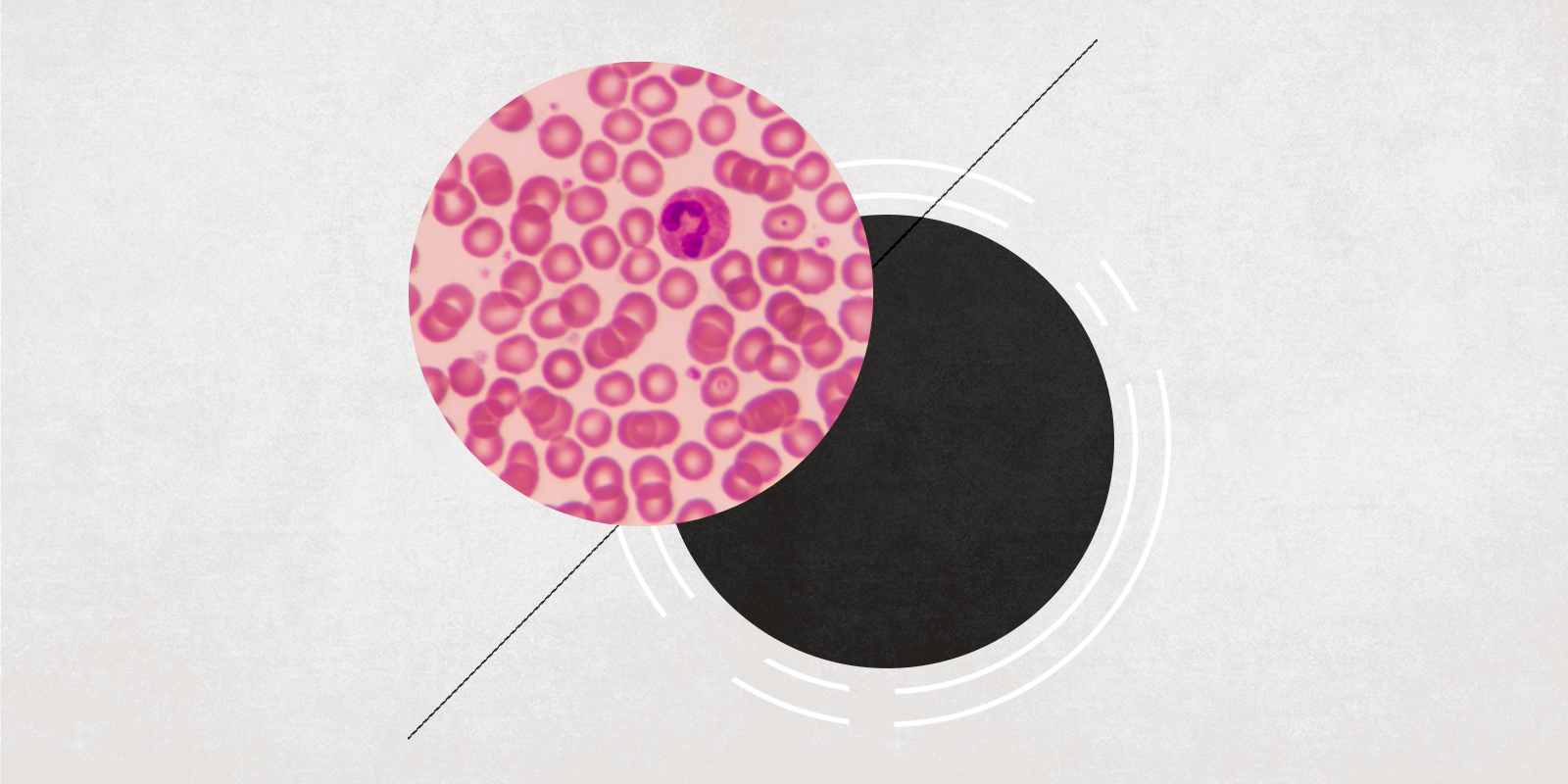
Research in the lab of Breck Duerkop, PhD, associate professor of immunology and microbiology at the CU Anschutz School of Medicine, focuses on bacteriophages (aka phages) and interactions with their bacterial hosts.
Bacteriophages are the most abundant organisms on the planet, and almost all known bacteria can be infected by one or more phages. Phages make up a large component of mammalian-associated microbiomes, yet we have only begun to scratch the surface on understanding how phages contribute to the functionality of these microbial communities and whether they have a role in shaping human health.
Phages also hold great promise as next-generation antibacterial therapeutics. Therefore, the long-term goal of the Duerkop lab is to gain a deeper understanding of the mechanisms used by phages to modulate bacterial communities and determine the effects of phages on health and disease.
The team uses a combination of genetic, biochemical, computational and immunological techniques to probe phage-bacterial interactions. The scientists focus on two major areas of research:
- The molecular mechanisms that phages use to infect bacteria, and the strategies that bacteria employ to subvert infection. Researchers isolate novel phages that target antibiotic-resistant bacteria by screening environmental reservoirs, such as wastewater. Specifically, the team focuses its studies on Enterococcus species, including E. faecalis and E. faecium, which are Gram-positive intestinal pathobionts that can transition from benign commensals to opportunistic pathogens.
- How phage communities, or the “virome,” are shaped by the mammalian immune system. Researchers use a combination of computational and wet lab approaches to determine whether perturbations in phage populations driven by the immune system alter the homeostasis of intestinal bacterial communities contributing to intestinal health.
Future directions for this research
Duerkop and his team will continue to explore how bacteriophage – and other mobile genetic elements (MGEs) – alter the way bacteria behave. By uncovering these hidden mechanisms, the team will better understand not just how the bacteria themselves change, but also what might happen inside the human body when infected with these types of bacteria.
The scientists hope to use this knowledge to discover treatments for human bacterial infections that are resistant to traditional antibiotics but that may be susceptible to therapies that target bacteriophages.
To learn more about the scientists in the Department of Immunology & Microbiology, visit their web page.
%20(1).png)