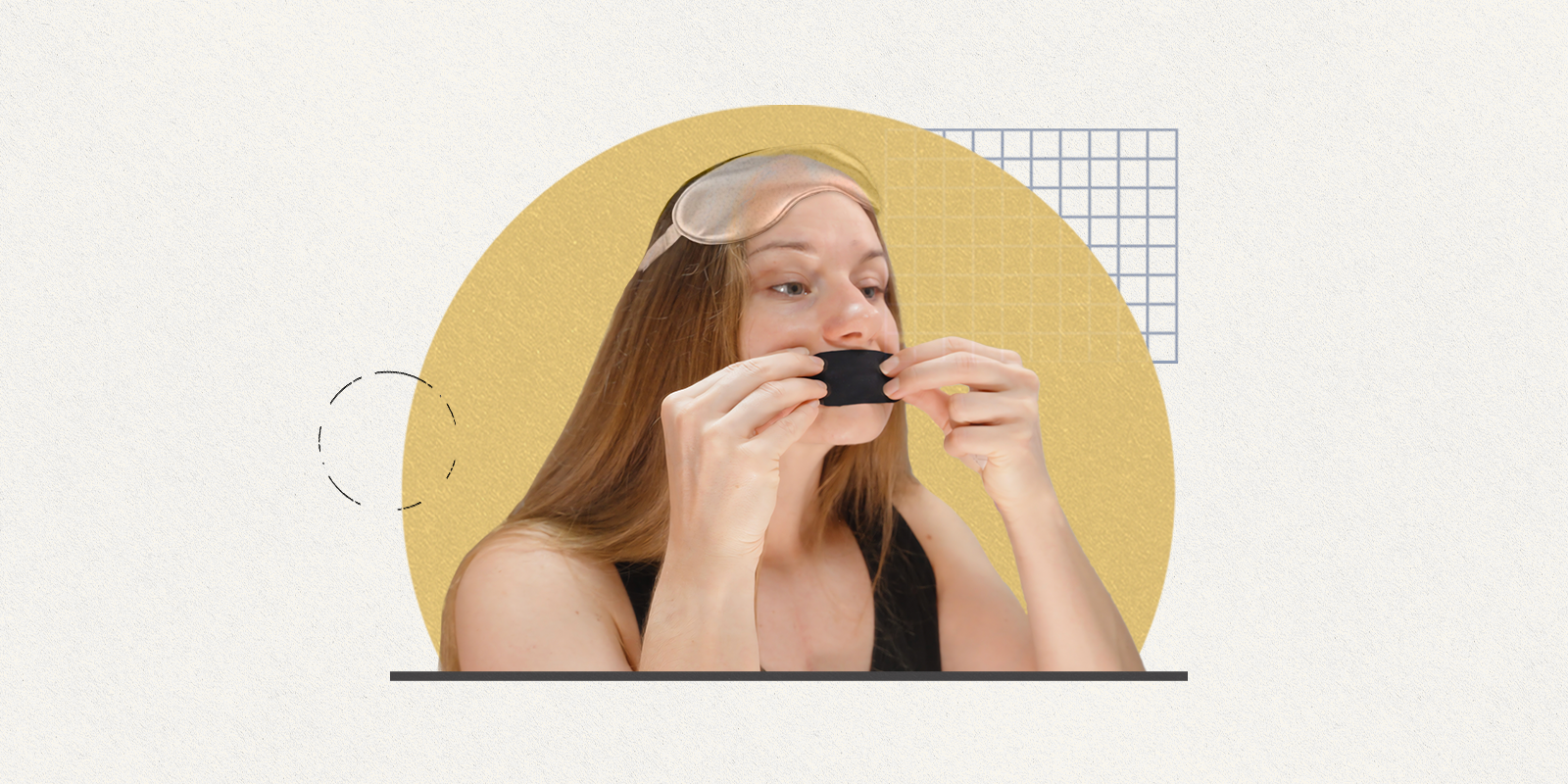
Mouth taping is trending on social media. Why such a growing interest?
Mouth taping has been around for years but not with such visibility. During the pandemic, we saw a lot of health influencers start promoting this practice, which they continue to do today.
Sleep is a great thing to pay attention to if you want to be healthier. Mouth taping isn’t medication and doesn’t require aggressive intervention, so it’s low-hanging fruit that excites people and makes them want to try it.
Why would keeping your mouth shut while sleeping be important?
A big part of getting good sleep is about breathing well. Breathing through your mouth can be associated with snoring and sometimes sleep apnea, which can be unhealthy. So the notion is that if you keep your mouth closed, that can promote more nasal air flow and get rid of some of the snoring and airway obstruction, thereby leading to healthier sleep in general.
Does nasal breathing have health benefits?
There are claims that say nasal breathing allows more filtering of pathogens through the nose. It’s also said to warm and humidify the air while promoting more healthy airflow through the airway. But the impact of nasal breathing really varies based on the individual.
Is there evidence to support better health via mouth taping?
We don't have a lot of good, quality evidence to support mouth taping. There are a handful of small studies that are not randomized or controlled. What we see from these small studies is a wide range of responses. In some mild cases of airflow limitation there may be improvement in snoring and sleep apnea. Other studies show no improvement.
The most robust study we have is still troubling. It was published in JAMA Otolaryngology – Head & Neck Surgery in 2024. This study of more than 50 patients looked at airflow during mouth occlusion. Overall, there was an improvement in airflow through the airway; however, it was not uniform. Some groups with mild airflow limitation did show improvement. Some patients with the worst airflow had a distinct worsening with mouth occlusion, which could be dangerous.
Is there a potential for serious harm?
Sleep apnea is a condition in which you stop breathing in your sleep. The majority of sleep apnea cases are caused by closure of the airway and lack of airflow because of that obstruction. Limiting airflow with something such as mouth tape can be harmful for those who already have a narrowed or obstructed airway. People with sleep apnea have cardiovascular risks. Not getting enough airflow or having oxygen drop during sleep puts demands on the heart, lungs and other organs. It also leads to sleep disruption, which can cause excessive fatigue, sleepiness, insomnia and cognitive problems.
So even though there is some, albeit weak, evidence that says mouth taping may help some people slightly, in some cases it can actually do a lot of harm. People with existing health issues such as cardiovascular disease or a known diagnosis of sleep apnea should avoid mouth taping. Using it could cause their issues to worsen and put them at higher risk for health consequences.
For more stories about the science of healthy sleep, read our Sleep Series.
What do you tell your patients wishing to improve their sleep?
There are many safe things you can do to improve sleep that do not involve closing off your oral breathing. The first is improving your sleep hygiene – your habits and behaviors surrounding sleep. For example, have a consistent sleep and wake time, every day. Sleep in a cool, comfortable space. Stop using electronics in bed and don’t use screens an hour before you sleep. Avoid excess alcohol and caffeine and get enough exercise. All of these will help improve your sleep, but I get it – they are also the hardest to do. Wouldn’t it be great if we could improve our sleep by simply adding mouth tape? Unfortunately, mouth tape isn’t a good substitute for these hard-to-do things that are definitely healthier and more effective.
Are there other interventions that as a sleep doctor, you do recommend?
For those who have allergies, dryness or other issues with keeping the nose clear, we often recommend using a room humidifier and/or nasal saline products. There are adhesive strips that go over the nose that tent the nasal passages open to help you breathe through your nose. Of course, seeking an evaluation from your doctor is always the safest way to go. And ultimately, some people are not physically built to keep their mouth closed at night, and mouth breathing is not always a bad thing.
When should you see a sleep doctor?
If you’re worried about your breathing at night – or maybe you’ve been told you snore really loud, stop breathing, choke or gasp, you should see a doctor. They may recommend a sleep study, which can tell you if your snoring is harmless or if it's more serious.
You should consult a professional if you’re having trouble sleeping and it’s frequently affecting how you function during the day. There are conditions such as chronic insomnia disorder, and it’s worth it to get evaluated so you can receive treatment.
It’s one thing to feel tired during times of stress or when you have a lot going on. If you don’t have a good explanation for your symptoms, talk to your doctor. Especially if it’s becoming dangerous. Dozing off in meetings or while driving are signs that it’s bad, and you should be seen about a potential sleep disorder.
Is there anything else that as a sleep doctor, you wish people knew?
Understand that many of these online influencer-type remedies do come with risk, especially if you’re middle aged or older, or have other health issues. If you’re worried about your sleep, find a professional who can help you with treatments that have evidence to support their use. I don’t want people to learn the hard way, so I recommend being cautious with what you see on the internet.
This interview was edited for length and clarity.
Key points:
- Current research does not support mouth taping as a routine sleep improvement strategy.
- Mouth taping may worsen breathing in some people, particularly those with sleep apnea.
- Good sleep hygiene remains the safest and most effective way to improve sleep quality.
- Persistent snoring, choking or daytime sleepiness should be evaluated by a healthcare professional.