What are you and your colleagues seeing in your practice related to teenage boys and looksmaxxing?
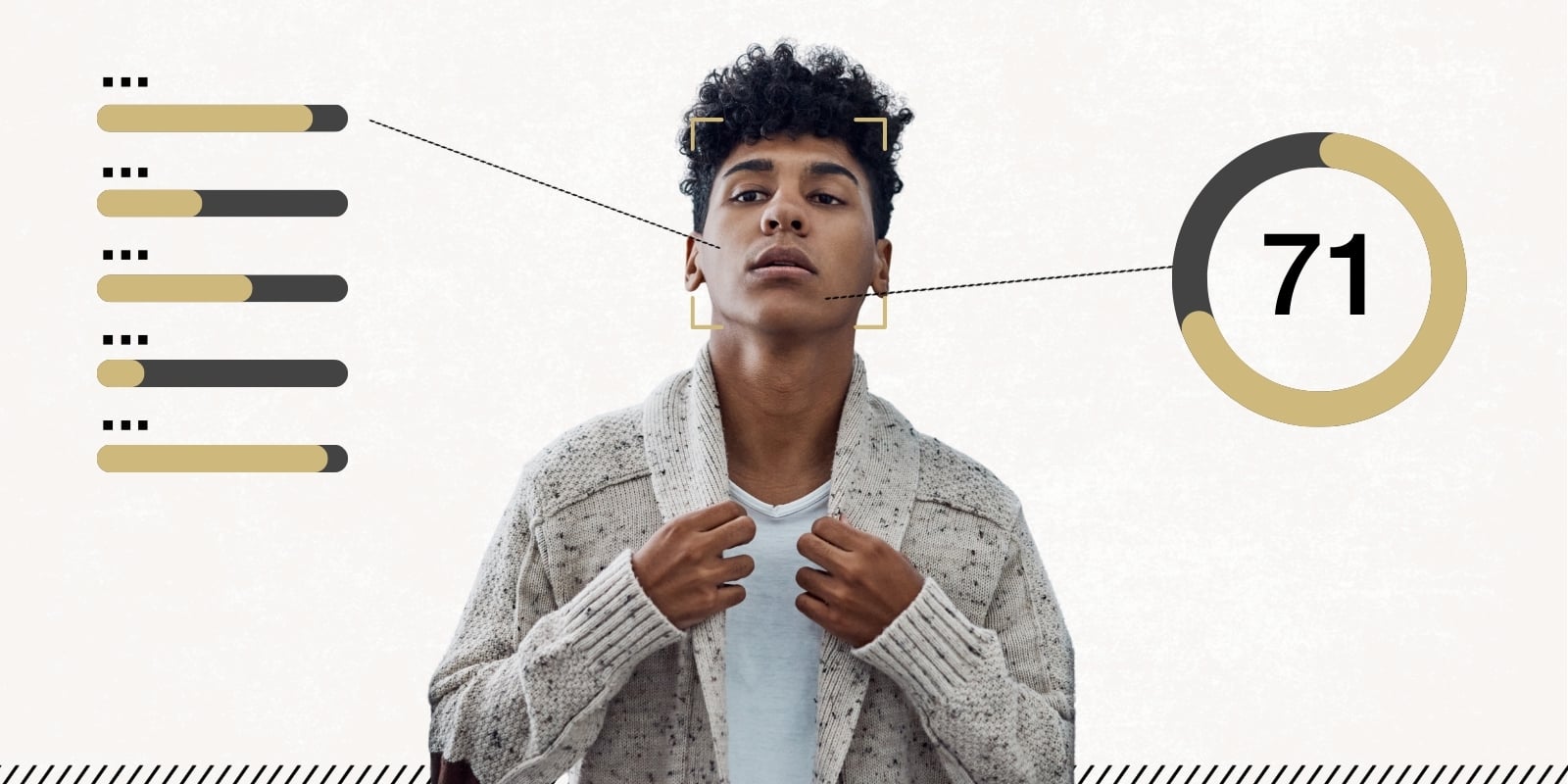
We’ve been hearing about how popular looksmaxxing is on TikTok and Instagram, and how it’s gone beyond attracting women: It’s also become a competition among boys and men where they have their faces analyzed, compared and even ridiculed so they can improve it. It's turned into this community of putting your picture out there and having people basically rip it apart. Suggestions range from “softmaxxing,” such as skincare routines or high protein diets, to “hardmaxxing,” which includes things like taking growth hormones, bone smashing or cosmetic surgery.
Definitions:
-
Bone smashing: A dangerous practice promoted in some online looksmaxxing communities that involves repeatedly striking facial bones in the belief that it will reshape the face or create a more defined jawline. There is no scientific evidence that it works, and it can cause serious injury.
-
Softmaxxing: Lower-risk appearance changes promoted by the looksmaxxing community, such as improving skincare, grooming, hairstyles, nutrition or fitness to enhance appearance without surgery.
-
Hardmaxxing: More extreme methods of changing appearance, including cosmetic surgery, growth hormones, unregulated supplements or other medical or invasive procedures intended to permanently alter physical features. These approaches can carry significant health risks, particularly when used without medical supervision.
Are women taking part in looksmaxxing?
My female patients are telling me about all the influencers promoting peptides and other supplements to improve skin, increase muscles and even make them more tan. People are being pushed by this idea of optimizing their looks from all ends. This focus on appearance was already targeting young people, and it just continues to grow. They’re getting bombarded by it on social media with its algorithms. Now, people are using AI – uploading their picture and asking it to “rate me really harshly.” There are specific communities that will rate you on a scale and talk about all the different ways you need to optimize your appearance.
Related: What Are the Dangers Around AI and Body Image?
When does a healthy interest in fitness, appearance or self-improvement cross the line into unhealthy behavior?
As with most things, it’s about how much time it takes up. That’s a good way to know when something is becoming problematic. For parents, the important thing is to have an open conversation with their children and teenagers about the content they are seeing online. Encouraging positive role models – especially positive male role models – is so important.
How should parents start a conversation about looksmaxxing or body image with their teen?
Just be straightforward. Kids can have these conversations. Talking about it is not going to make them develop a disorder or make anything worse. Avoiding these topics is what makes things worse.
It’s not just about optimizing your looks. The same advice stands for eating disorders or even suicide. Avoiding these hard conversations doesn’t make it go away. The content is still there, so we need to have these conversations.
When you’re having these open conversations, try to recognize where your child is getting their information. Where are they spending time on social media and the internet? Approach it with curiosity – not in an invasive way. And if things seem problematic, involve a mental health professional.
Hemendinger cautions parents about peptides marketed to teens for muscle growth or tanning. She says evidence for their safety and effectiveness is limited, while risks – including hormonal disruption and contamination – are well documented.
Related: Peptides Explained: What They Do, How They Work and What to Know About Peptide Therapy
How does repeated exposure to looksmaxxing content influence a teen's sense of identity and self-worth?
In short, the impact is negative – really negative. One of the biggest concerns is the effect on mental health, including depression, anxiety and low self-esteem. When someone starts to believe their appearance determines their worth, they're likely to feel poorly about themselves if they don't like the way they look.
That can lead to behaviors like avoiding social situations, staying home or withdrawing from friends because they don't think they look good enough. It can also show up as increased irritability and rigid thinking, making it harder to adapt or see themselves in a more balanced way.
What impact is the "maxxing" movement having on society? How is it changing expectations around appearance, achievement and personal value?
This movement is deeply rooted in patriarchy and capitalism. In many ways, looksmaxxing is another version of the beauty industry's longstanding playbook, just packaged differently. Insecurity is profitable. As long as people are making money from it – whether they're influencers, cosmetic providers or others – there's little incentive to challenge the system.
There's nothing inherently wrong with wanting to improve your appearance or find a sense of belonging in a community. But the ideology underlying looksmaxxing is what concerns me. It promotes messages that tie appearance to worth, success and happiness, and those messages can be deeply unhelpful and, ultimately, harmful.
When does changing your appearance stop being a form of self-expression and become a mental health concern?
It’s a fine line, and I am all for creating a sense of identity through your appearance. Changing your hair, makeup or clothing can be a healthy form of self-expression. But if you’re getting medical procedures or taking supplements to drastically change your appearance – even those “softmaxxing” things – it’s no longer helpful. It all comes down to intention. As we say in our program, “What is the function?” Is there an underlying obsession? If you change this one thing, will you be happy, or will you keep striving for more?
What we’re seeing on social media is a slippery slope. Skincare routines can lead to peptides, then Botox, then surgery. People are chasing a certain look, often from a place of insecurity and fear of being left out.
Looksmaxxing is not only a trend – there’s a community from over a decade ago in “incel” forums that encourages men in particular to maximize or optimize their appearance. Incels are involuntarily celibate men who blame their romantic problems on the idea that women are attracted to physical traits and money. The community is very toxic and has been related to violence against women. Looksmaxxing came from these incel forums and is more widespread now on social media.
When talking to someone you care about who may be taking optimization culture too far, what approaches or comments should you avoid?
Judgmental language should be avoided at all costs. For example, you don’t want to come in hot and say, “This is ridiculous.” It’s also not the time to attempt to disprove their beliefs about their appearance, so avoid saying “you look beautiful” or “you are so handsome.” If your loved one has strong negative beliefs about their appearance, get them in to see a therapist.
Also pay attention to your own internal state. If you’re speaking to someone from a place of anxiety, the message can come on strongly. If you come on strong, they may not want anything to do with you – teenagers especially. It’s about making yourself available – not too available – but also not distant.
What are ways we can instill confidence in our children offline?
It's about self-efficacy. Our confidence is built when we believe in ourselves and in our ability to handle difficult things. We build that confidence by increasing our tolerance for frustration and challenging ourselves – even with things we don't think we'll be "good" at, like learning a new language or playing an instrument.
It's also important to surround yourself with people who root for you, the people who support you and care about your well-being beyond your appearance. Those can absolutely be online friends. But if your online friendships and interactions never extend beyond criticizing one another's appearance or suggesting ways to change it, they're probably not going to be the most satisfying or meaningful connections in the long term.
Key points:
-
Looksmaxxing encourages appearance optimization and often spreads through TikTok and Instagram.
-
AI face-rating tools may increase appearance anxiety.
-
Appearance does not determine self-worth.
-
Parents should discuss online beauty trends openly rather than avoiding them.
-
Persistent appearance concerns may warrant evaluation by a mental health professional.