What role does culture play in eating disorders?
The idea that we have to look a certain way to be loved and accepted by society is deeply ingrained in many of our internal belief systems. It comes from a lot of different places. Body image and the objectification of women’s bodies are historically rooted in the ‘isms – sexism, ableism and racism. We’re also seeing a shift toward a more conservative culture that tends to associate morality and health with being thin.
How do you address culture with your patients?
In therapy, we work to accept that we’re more than our bodies. Which is hard to do when we live in a culture that says otherwise. We’re constantly bombarded by celebrities and influencers who make money off the way they look. We are bombarded from every direction, whether it’s family culture or our overarching culture of politics, media and even medicine. As a result, most of us have some degree of internalized weight stigma.
How do you see this impact people in your practice?
It’s often a function of an eating disorder to make yourself small and not take up space. When I’m treating patients, sometimes they’ll be huddled up in a ball making themselves as physically small as possible, which is associated with not being a bother or rocking the boat. This pressure to be smaller leads to not taking up space, which means not using your voice and not getting your needs met. This shift and the agendas being pushed forward also include more stigma around weight and fat phobia, which aligns with the incorrect societal belief that fat equals bad and thin equals good.
Much of our healthcare revolves around weight when it really doesn’t need to because there are other indicators of health. Comments made by doctors about the size of our bodies stick. If we can start to shift away from weight-based healthcare – to zoom out and consider whole-person care – it can make a difference. – Emily Hemendinger, MPH, LCSW
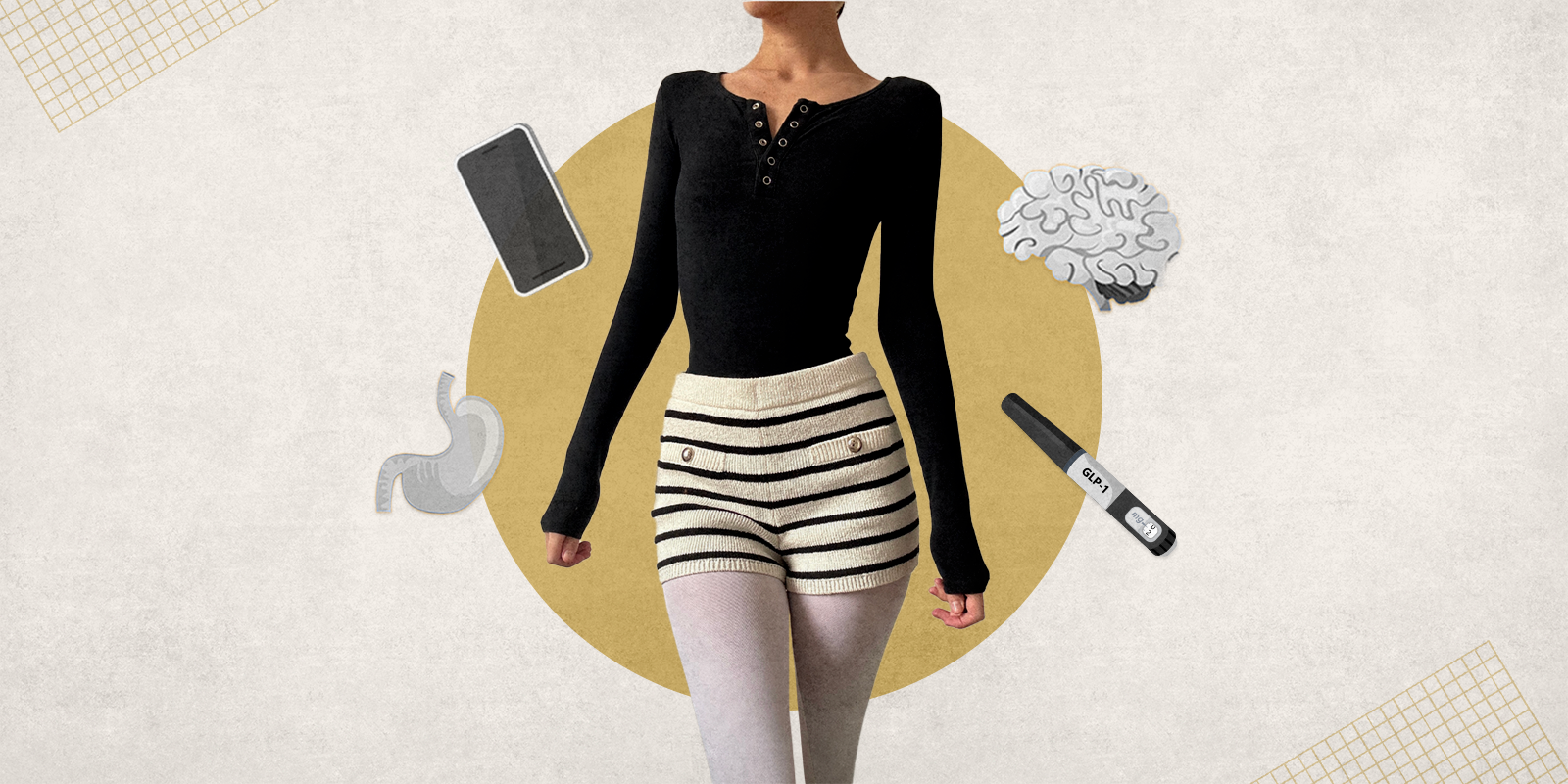
Are GLP-1 weight-loss drugs contributing to the return of skinny culture?
Being an eating disorder provider in the age of GLP-1s is challenging. This class of medications has demonstrated effectiveness for substance-use and binge-eating disorders. Psychiatrists are also prescribing GLP-1s to patients who have gained weight from being on anti-psychotic medications. What’s hard from an eating disorder perspective is that much of what we do is teach people how to trust their bodies. This means building self-trust and learning how to listen to the body for hunger and satiety cues. Because of the way these drugs work, it’s hard to work with patients on building trust in the body’s natural cues.
Do you recommend patients in recovery from an eating disorder use GLP-1s?
I used to feel very strongly against the use of GLP-1s for people with a history of eating disorders. I now try to approach this topic with a greater understanding of the nuances involved. Emerging research suggests that GLP-1s may have the potential to improve depressive disorders, substance-use disorders and other mental health conditions involving reward-related areas of the brain. Some studies also show that GLP-1s may decrease binge eating and “food noise.” However, these studies have limitations, including small sample sizes, short study durations and largely open-label designs.
At the same time, GLP-1s may increase weight stigma, and emerging research suggests they could reinforce eating disorder behaviors. Overall, I would recommend that anyone in this category who is considering a GLP-1 to work closely with a therapist, a registered dietitian and their doctor to determine whether this is the right choice. GLP-1s do not address eating disorder pathology or the underlying causes of eating disorders. The most important foundation before considering a GLP-1 is lifestyle change support and behavioral interventions. Working on body gratitude may also help mitigate negative cognitions, internalized weight stigma and disordered eating.
Any advice for people in recovery from eating disorders on navigating these times?
Even if you feel like you’ve worked through this stuff, it’s hard not to feel bombarded by these expectations. No one is immune to these pressures, and young minds are especially susceptible. There’s a huge focus on appearance – many of us feel pressure to be thin and stay young to be relevant. So you see people dropping money on GLP-1s, aesthetic surgeries, Botox and fillers. There is a rise in all of these, even in younger generations.
Overall, I would recommend that anyone in this category who is considering a GLP-1 to work closely with a therapist, a registered dietitian and their doctor to determine whether this is the right choice. – Emily Hemendinger, MPH, LCSW
How do you know if you need help from a professional related to body image and eating?
Many people throughout their lifetimes go back and forth between dieting and deciding they are OK. The thing that indicates to me that there’s a problem – with patients or in my own life – is the amount of rigidity that forms around it – for example, when someone has disordered exercising and they can’t skip a day without becoming extremely distressed. Typically, if your world revolves entirely around diet, weight and appearance, it’s time to seek help.
How can doctors help or hurt as it relates to body image?
Many people with eating disorders have a story about language used by their doctor concerning their weight. Doctors, especially primary care providers, can be on the front line for preventing issues with the language they use. Much of our healthcare revolves around weight when it really doesn’t need to because there are other indicators of health. Comments made by doctors about the size of our bodies stick. If we can start to shift away from weight-based healthcare – to zoom out and consider whole-person care – it can make a difference.
What do you wish more people considered about their bodies?
I wish women and men could consider worth beyond appearance and bodies. As much as I wish women would take hormones and body functioning into consideration regarding body size changes across the life span, ultimately allowing for a more compassionate stance toward their bodies, what I wish for more is a societal shift. Society’s view on women’s bodies and aging women is negative, objectifying and youth-obsessed. Until there is a societal change, there’s only so much an individual can do.
Is there anything else you wish people understood?
Yes. First, food isn’t something you earn. And it isn’t a moral issue – what you eat and the size of your body does not make you good or bad.
I would encourage people to be aware of their algorithms, to inject body diversity and inclusivity into their social media feeds. It’s not always easy to do so but speak up when people make comments about other people’s bodies. Sometimes I’ll ask, “Why did you say that?” or I’ll say, “That’s an interesting thing to say.” Call people into conversations to bring awareness.
This interview has been edited for length and clarity.



.png)