
Loretta Tsu is on a mission to help women who have survived violent relationships.
After years of working as a nurse in forensics and neurosciences, Tsu witnessed something that haunted her: women whose lives had been forever altered not just by violence, but by injuries that continued affecting their health long after they'd escaped dangerous relationships.
Now, as a Doctor of Philosophy (PhD) student at the University of Colorado Anschutz College of Nursing, she's conducting the first research of its kind to uncover how intimate partner violence—particularly brain injuries—creates lasting health impacts that often go unrecognized and untreated.

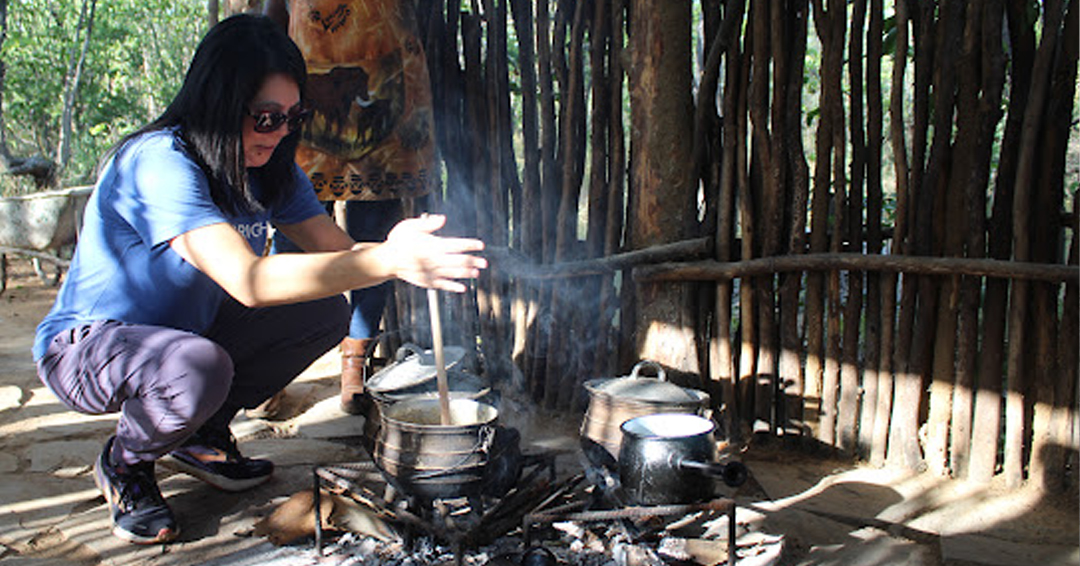
CU Anschutz Nursing PhD student Loretta Tsu. |
“I saw the impacts certain injuries have not only on someone’s brain, but their body,” Tsu says.
Combining advocacy and nursing in her dissertation, her study could have the potential to revolutionize how healthcare providers screen for and treat survivors, potentially helping thousands of women finally understand the connection between their past trauma and current health struggles.
“In my career, I saw that women who experience intimate partner violence can have poor health outcomes,” she says. “We don’t necessarily know why: is it the stress of experiencing that type of relationship, or is it because of the injuries they sustained?”
An Understudied Area
Tsu says most research relating to brain injury is done in male populations, like sports players and military veterans. In fact, her research is one of the first of its kind focusing on women experiencing intimate partner violence, particularly with the utilization of biomarkers.
“This is about women helping women, and I hope with their help, we can improve healthcare for women in the future.”
“Women who are survivors of intimate partner violence may never connect that their health issues could be related to what they experienced. Women might be seeking help for their health issues, but never tie it back to their original injury, or potentially having a brain injury.”
Tsu started recruiting women to participate in May 2024, focusing on women ages 18-50 in the Denver Metro. Participants were interviewed about their experience and whether they had any health issues. They also completed questionnaires about their health, various social determinants of health, a medical history with vital signs and body measurements, computerized cognitive testing, and a blood draw.
Tsu isn’t sure what the data will tell her – but she hopes her findings will lead to additional research, better screening options, and earlier treatments.
“We need to figure out how to help these women – regardless if they have a brain injury or not,” Tsu says, “so future research also needs to focus on recovery and rehabilitation for them.”
Preparing for Research
Tsu credits CU Anschutz Nursing for guiding her through the research process and preparing her to conduct research.
“CU Nursing has prepared me to think about non-traditional ways to approach research,” she says. “I’ve relied on my mentors and dissertation committee to guide me in the best way to conduct this study.”
Tsu says the hardest part of her study has been recruitment, which is why she partnered with the PorchLight Family Justice Center in Lakewood. PorchLight provides support and resources for survivors of domestic violence, sexual assault, child abuse, elder abuse, abuse of at-risk individuals, stalking, and human trafficking.
It’s important to let women know they’re not alone,” she says. “My research isn’t about what I do in the future – it’s about how my research can improve the healthcare and victim services these women receive in their community.”