When Ledia Tuquabo walks across the commencement stage, she'll be thinking of her father.
"This accomplishment is as much theirs as it is mine," she says of her parents, who immigrated to the US from Eritrea and dedicated their lives to their children's education. "My dad has since passed, but he wanted my siblings and me to pursue our education and help others. I feel I've fulfilled my purpose in doing this, and I know they're both proud of me."
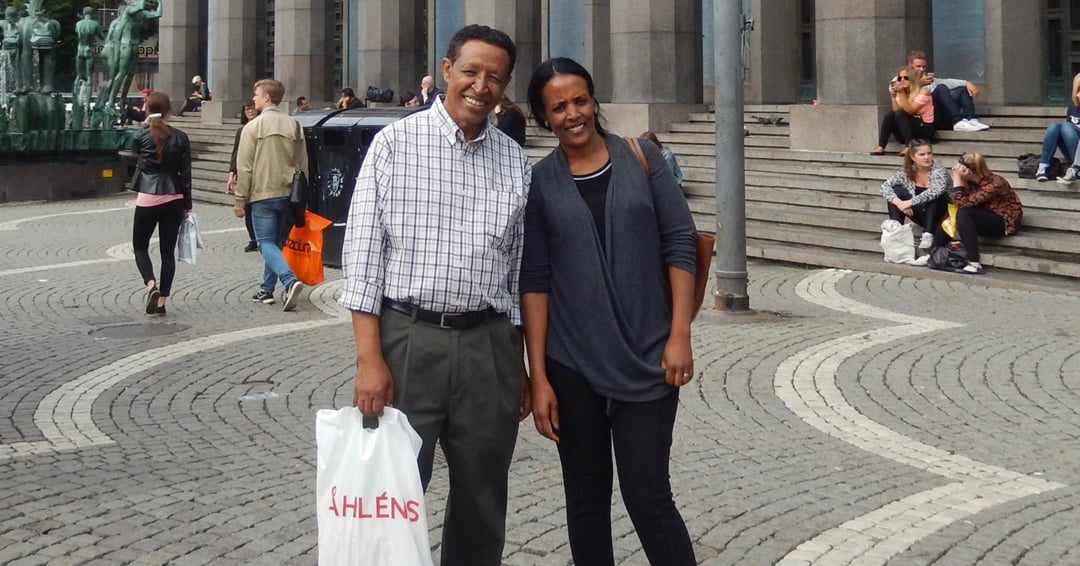
Ledia Tuquabo's parents, who dedicated their lives to their children's education. |
That sense of purpose has defined Tuquabo's path to earning her Adult-Gerontology Primary Care Nurse Practitioner degree at the University of Colorado Anschutz College of Nursing, a journey that began in the hallways of a Denver-area hospital where her mother works.
"I started volunteering at the hospital where she worked, and I remember feeling super excited to help patients and their families," Tuquabo says. "I did small things, like delivering flowers, helping with directions, or even having small conversations. I could see how people felt overwhelmed while at the hospital, and I wanted to be that person who could reassure people and make them feel safe."
After earning her nursing degree from the University of Northern Colorado, Tuquabo built most of her career at Advent Health Porter Hospital as a cardiac telemetry nurse. But caring for patients over hours or days left her wanting more. More continuity, more depth, more time to focus on education and long-term health management.
"I feel like the knowledge I've given patients is as powerful as medicine, and giving them that knowledge provides patients with more autonomy," she says. "It adds to their long-term resilience when they know what they can do to maintain their health after leaving the hospital."
Watching her grandmother and father navigate serious health conditions showed her firsthand how aging changes everything and deepened her commitment to gerontological care.
"I want to be that nurse who understands the journey of what they're going through, not just the diagnosis," she says. "I want patients to not only navigate their illnesses, but I want them to understand their health and receive care that looks at them holistically."
Now, as she prepares to transition from bedside nursing to primary care, Tuquabo is eager for what comes next.
"I'm looking forward to having that continuity of care and seeing my patients for years, instead of seeing them for hours or days," she says. "I'll be able to go through managing their care and medications while helping them maintain their best quality of life and independence."