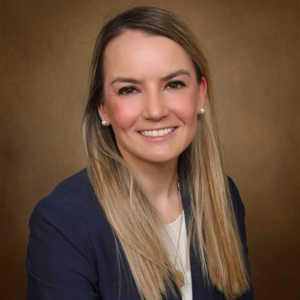
After spending years researching disparities in pediatric oncofertility care delivery, Kristine Corkum, MD, assistant professor of pediatric surgery and a former fellow with Adult and Child Center for Outcomes Research and Delivery Science (ACCORDS), hopes her new role as co-director of pediatrics at the Fertility Preservation and Reproductive Late Effects Program will help usher in a new era of collaboration in comprehensive fertility care.
“I’m hopeful we can start building a wide catchment of stakeholders across the medical campus,” she said. “That’s one of the things the University of Colorado Anschutz and Children’s Hospital Colorado has to offer — we have so many resources and wonderfully smart people interested in collaboration.”
Why fertility preservation matters for childhood cancer survivors
Pediatric oncofertility is a newer multidisciplinary field that has resulted from a shift among medical providers working to treat childhood cancer for the past 50 years. Survivorship among these patients has dramatically improved, leading clinician-researchers like Corkum to ask what can be done to help focus efforts on the quality of life of survivors and their families after cancer treatment.
The field of pediatric oncofertility focuses on efforts to protect and preserve a patient’s fertility potential and reproductive hormone function from the effects of cancer treatments like chemotherapy and radiation — two considerations known to be extremely important for overall health and well-being.
“The concept of oncofertility began with young females who received a breast cancer diagnosis,” Corkum recalled. “And we realized that for our pediatric age patients, oncofertility efforts were still really important.”
Pediatric oncofertility care begins with a conversation among the patient, their family, and their treatment team to discuss the post-treatment risks related to the patients’ future fertility potential or reproductive hormone functions. Regardless of whether the treatment plan includes chemotherapy, radiation, stem cell transplant, and/or bone marrow transplants, it’s important to take into consideration what the patient’s life will look like once they are diagnosed and what options are available to preserve their future fertility.
Age-specific fertility preservation options for children and adolescents
Options for a patient’s oncofertility care varies depending on their age and gender; for example, sperm banking for post-pubertal males and egg retrieval for post-pubertal females can be made available to pediatric patients.
Ovarian tissue cryopreservation remains an option where the ovary can be removed, processed, and frozen long-term for future reimplantation to restore hormone function and fertility potential. This option is available to both pre- and post-pubertal female patients who are at high-risk for treatment-related fertility loss.
As for prepubertal boys who are at high-risk for future infertility, there’s another experimental but promising option — testicular tissue cryopreservation, where a surgeon removes a small part of the testicle to process and freeze it with the hopes that in 20 years, when these young boys are ready to start a family of their own, the science and technology will be available to use that preserved tissue.
The unequal landscape of pediatric oncofertility care
While pediatric oncofertility treatment options may differ, one element that makes a difference is where a patient receives treatment — a variable Corkum finds especially frustrating.
“If pursuing oncofertility is something that is meaningful to a patient, they should have the opportunity to do so,” said Corkum. “My hope is where any patient or family who receives a new childhood cancer diagnosis, regardless of where they are in the country, have the opportunity to have these conversations and have the opportunity to be able to pursue something that aligns with their values.”
Despite oncofertility offering potential options for children diagnosed with cancer looking to preserve their fertility and reproductive hormone functioning, the associated costs with starting a program or carrying through initiatives has proven to be a barrier for institutions to implement their own oncofertility care.
The cost of access: economic barriers in onco-fertility programs
Corkum intentionally centered economic analysis at the heart of her pediatric oncofertility research due to the known financial barriers. In addition to studying costs related to the implementation and dissemination of oncofertility care, there was considerable thought put into the research to determine how it could empower other institutions and programs to develop oncofertility initiatives in an informed way to help them deliver care.
With the help of connections she made through ACCORDS, specifically her participation in the Scholars in Clinical Outcomes Research (SCORE) fellowship, Corkum found a new research direction that paired her experience in oncofertility care delivery and the work being done in economic analysis by Liza Creel, PhD, associate professor of health care policy research medicine and director of the Economic Analysis Core at ACCORDS.
“Before working with Liza, I had not really thought about how to think about research from an economic standpoint,” she said. “I came up with a research project to help move the field forward because there’s very limited data in terms of the economic impact and costs associated with pediatric oncofertility initiatives. Being part of the SCORE fellowship really allowed me to learn about new ways to study outcomes and dissemination and implementation science that’s critical for my research, plus the mentorships and partnerships were key.”