People with advanced or incurable cancer, understandably, often experience heightened levels of anxiety and depression, as well as an inability to undertake advance care planning — discussing and deciding on future medical care preferences in the event that a patient is no longer able to speak for themself.
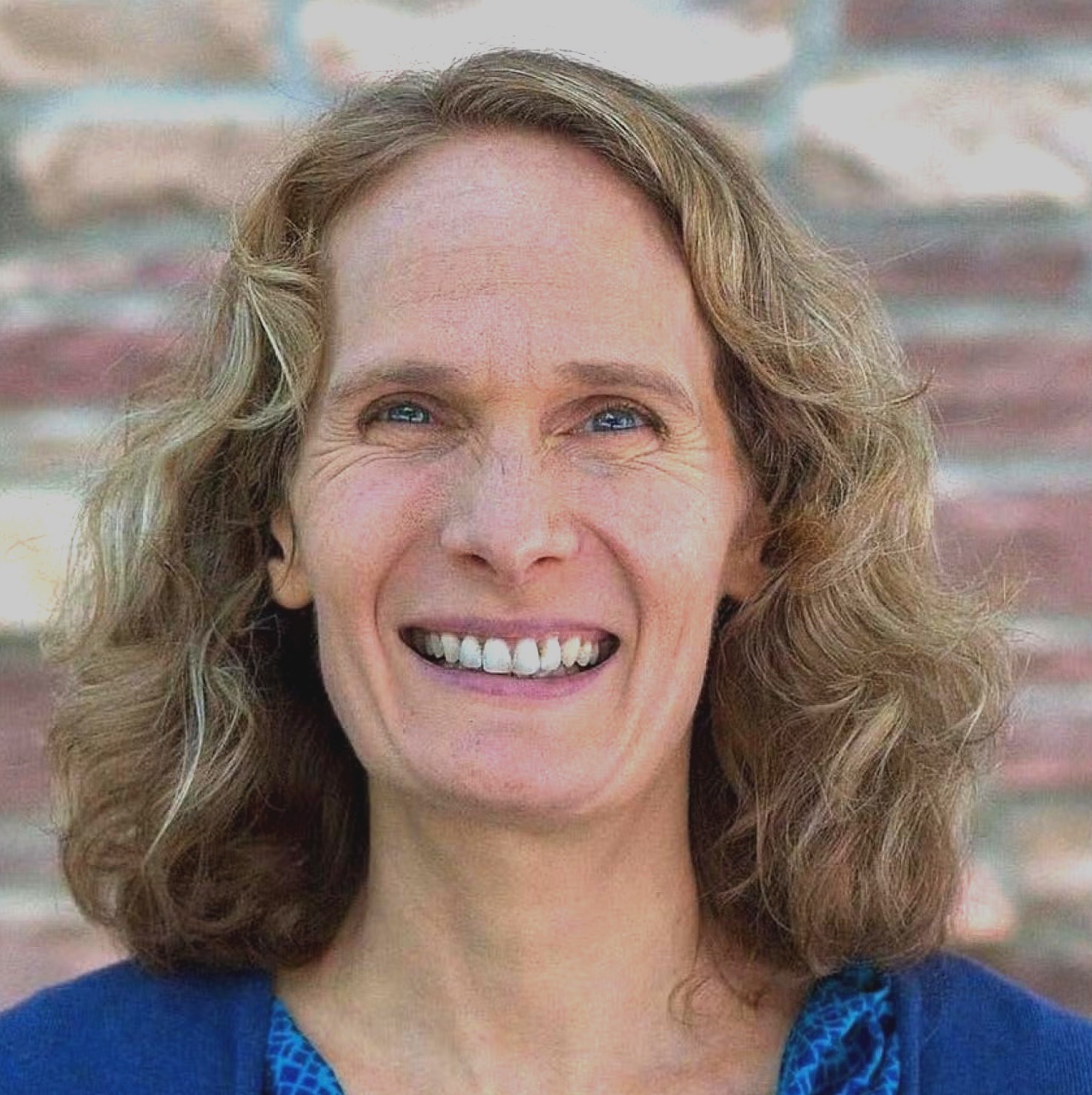
“Advance care planning involves deciding who would be making those decisions, how much flexibility that person would have in making them, and what types of decisions you would prefer that person make,” says University of Colorado Anschutz Cancer Center member Joanna Arch, PhD. “Physicians care about advance care planning because patients can get very sick and enter the ICU, and if they haven't communicated what they want, it can create a lot of difficulties for the family and the clinicians.”
Developing an intervention to help
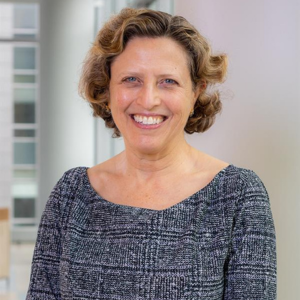
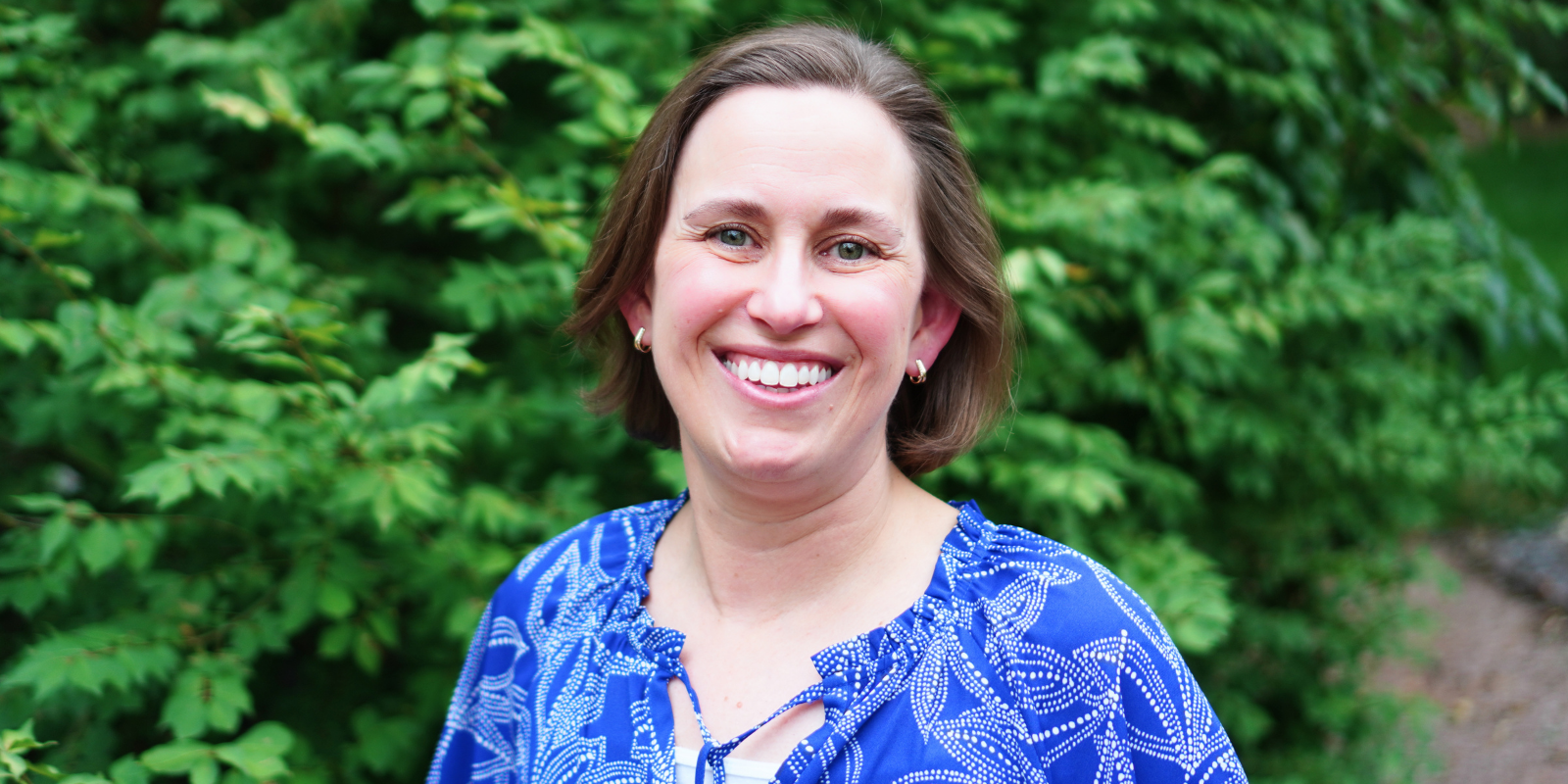
Arch and fellow cancer center member Jean Kutner, MD, MSPH, along with Regina Fink, PhD, professor emeriti of internal medicine, developed an intervention to help patients with advanced cancer cope with anxiety, depression, and advance care planning. Based on the established practice of acceptance and commitment therapy, it involved five weekly group sessions over videoconferencing, as well as self-paced online modules that allowed participants to practice and sharpen their skills.
“We know there's a lot of depression and anxiety and other symptoms in people with advanced cancer, and we know there are effective interventions for depression and anxiety, but they hadn't been tailored to or tested in this population, which is a significant research gap,” says Kutner, professor of internal medicine in the CU Anschutz School of Medicine. “As a palliative care clinician, I see the significant distress this population experiences. What's unique about this study is that these are evidence-based interventions that can be implemented in busy clinical settings. It doesn't do us any good to have something that works in an efficacy trial but is so complex and complicated that we can't deliver it.”
Giving patients the tools
The intervention, called Valued Living, revolved around two main tools. The first, Choice Point, a method of clarifying personal values, helped move patients toward decisions around advance care planning.
“We had them identify challenges, and then they clarified who and what was most important to them and what would it look like to move toward versus away from their values in the face of these challenges,” says Arch, professor in the Department of Psychology and Neuroscience at CU Boulder. “In the context of advanced cancer, the challenge might be internal fears about the future or who to choose to be your health care proxy. You identify points in life where you have to make a decision or a choice about something. Just having patients do that helped a lot of them to identify, ‘Wow, this program helped me to realize I have more agency than I thought I did,’ or, ‘I have more choices right now than I had imagined I do.’”
Driving the bus
The second tool, called Passengers on the Bus, asked patients to imagine they are driving a bus toward their values, learning to ignore or respond to their “passengers,” which represent the patient’s most challenging thoughts and feelings in dealing with cancer.
“You have all these passengers that get onto your bus and try to steer it in the other direction, and these passengers are scary,” Arch says. “They are things like fear of the future, fear of dying, not being good enough. Essentially, your baggage is on your bus, trying to influence your route, and your job is to develop the skills so that your baggage can be on your bus, and can be even yelling at you to move in directions that are unproductive for you, but you have the skills to continue to drive in a valued life direction.”
Ongoing practice
Participants engaged in Choice Points and Passengers exercises in their online group sessions; on their own, they completed modules that helped them practice mindful acceptance and flexible distancing from difficult thoughts and images. The weekly groups met for five weeks, followed a month later by a booster session in which participants talked about difficulties they encountered when continuing to practice the skills on their own.
“The idea is that they would continue to practice the skills and perspectives on their own after the end of the group, and they would apply those skills and perspectives to continue moving forward with advance care planning and to improve their mental health and well-being,” Arch says.
Positive results
The results of the study are promising — Valued Living participants completed more advance care planning steps and reported improvements in avoidance of death and spiritual well-being compared to a control group that had access to standard-of-care counseling from social workers and advanced practice providers.
“The study had two goals,” Arch says. “One was to improve advance care planning, and the other was to improve psychological and spiritual well-being. The two may be related, because when you're depressed and anxious, it's harder to have the clarity of mind and the confidence to engage in advanced care planning.”
Arch and Kutner are figuring out the next steps with this research and how to implement it, but they hope that publishing the results — as they did in March in the journal Cancer — will encourage other cancer centers to adopt the Valued Living framework to help patients improve their well-being and their ability to make difficult choices.
“We want to help people realize how many choices they have in their health care, helping them to manage difficult emotions that come up around considering advance care planning so that they can engage more fully in it,” Arch says. “Most of the field's focus to date has been on people with early-stage cancer. However, it's also critical to support people with advanced cancer — with their mental and spiritual well-being, as well as with advance care planning. This study did both."