



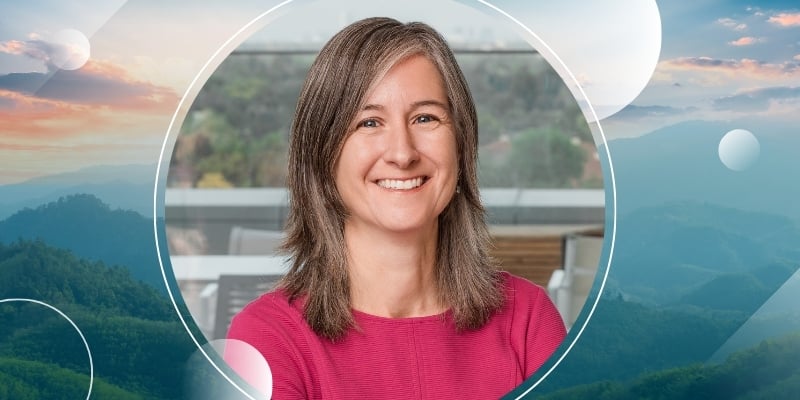
The Colorado School of Public Health is launching a Master of Public Health program in Environment, Climate, and Health. “The reasons are clear-cut,” said Beth Carlton, PhD, MPH, professor and chair of the school’s Department of Environmental & Occupational Health.
“Climate change is the existential crisis of our time. It is impacting the health of Coloradans and people across the globe,” Carlton said. “There is a huge need for a climate and health workforce that is ready to address the challenges that are emerging day by day.”
The new two-year program, requiring 42 to 45 credits, will begin accepting applications this winter to begin in the summer and fall of 2026. It will be the first of its kind in the Mountain West.
While Carlton and her colleagues considered it important to make climate change “an explicit part of the training,” students will also build skills to address a wide range of environmental and worker health challenges. These include designing ways to protect people from chemicals such as PFAs, and developing programs to guard workers threatened by heat exposures, wildfire smoke, dust storms, and other risks to their health.
The program will also offer additional coursework for students who want to pursue an emphasis in global health.
In designing the program, Carlton said her department aligned the curriculum with the needs of the workforce. Groups from the World Health Organization to the local public health organizations have called for programs that train workers to protect health in a rapidly changing climate. The need is spread far and wide, she said. For example, a 2024 report by the National Association of City and County Health Officials (NACCHO) pointed out that many rural health departments lack capacity to “implement climate and health activities, and respond to extreme weather impacts.”
“We have seen alumni from our current programs find a range of climate- and health-related employment,” Carlton said. These include jobs in federal, state, and local government, private practice, and nonprofit groups.
She cited potential career paths for future graduates, including:
- Climate and health resilience coordinator
- Total Worker Health director
- Community air protection specialist
- Environmental epidemiologist
A strong position to address climate change and environmental health
The Department of Environmental and Occupational Health is well positioned to lead the new program, Carlton said.
“We have a faculty that is committed to solving complex, real-world problems,” she said.
The work includes confronting health risks for residents and workers who are exposed to kidney-damaging heat in sugarcane fields, documenting the long-term impacts of the Marshall Fire, understanding how drought is impacting mental health in rural Colorado, and responding to emerging infectious diseases threats. Recent studies from the department have found people who live near oil and gas wells may face an increased risk of cancer.
In addition, the new program aims to weave together existing strands of work on climate change and health on the University of Colorado Anschutz Medical Campus, Carlton said.
For example, her department has close ties with ColoradoSPH’s Centers for Health, Work & Environment, a leader in studying and promoting worker health and safety. She also built the first Climate Change and Health course, with Jay Lemery, MD, professor of Emergency Medicine and Endowed Chair in Climate Medicine at the University of Colorado School of Medicine. Lemery is also director of the School of Medicine’s Climate and Health Program. Last year, Carlton’s department launched the first in the nation PhD program in Climate and Human Health, lead by Dr. Kathy James, an expert who works to address the health impacts of drought in Colorado.
"This is an all-hands-on-deck crisis -- interdisciplinary collaboration is critical in crafting an impactful research agenda and effective policy solutions," Lemery said.
It is also important that public health workers learn to counter skepticism toward their profession with clear explanations of the value they bring to society, Carlton added. The new program’s curriculum aims to help them do that and includes a course titled, “Communication Skills for Public Health Impact.”
“So many people who go into public health do it because they are interested in promoting it at a systems level,” Carlton said. “Many of them are amazing, quiet doers who solve problem after problem with very little thanks and gratitude and don’t expect it. But it is important to tell the stories of people being impacted and their successes in helping to improve health.”
The need to build a workforce pipeline
Ultimately, Carlton hopes the program helps to build a strong pipeline for people dedicated to addressing the threats posed by climate change and protecting the environment and workers.
“We see a need for a workforce that is able to deal with emerging challenges over the next decade and beyond,” such as stubborn drought, more intense wildfires, extreme heat, and other natural disasters, Carlton said. “We need a workforce that can help people live their healthiest lives.”