A Q&A with Christina Coughlan, PhD, FCP, SI, NRAEMT, Assistant Professor of Research, Neurology, Director of the Biorepository Core and Co-Director of the Exosome Core at CUACC

What is your invention?
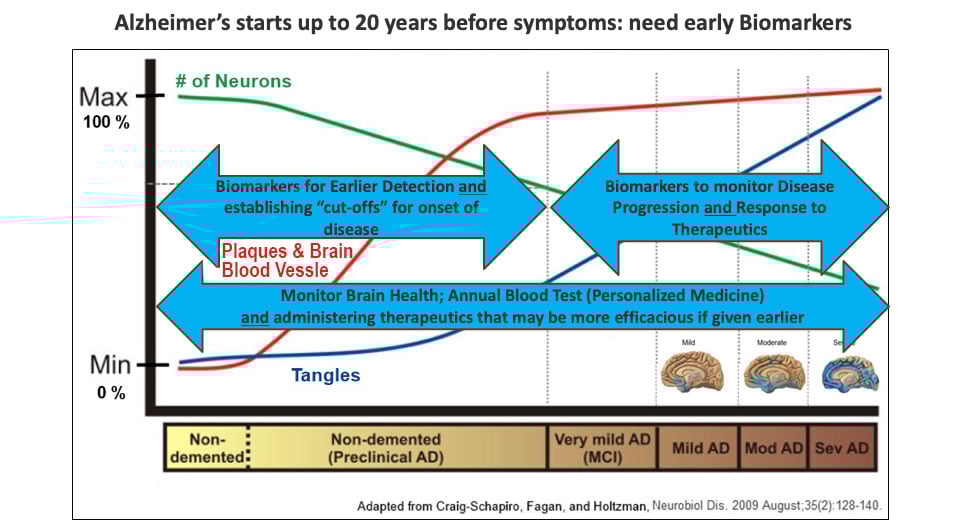
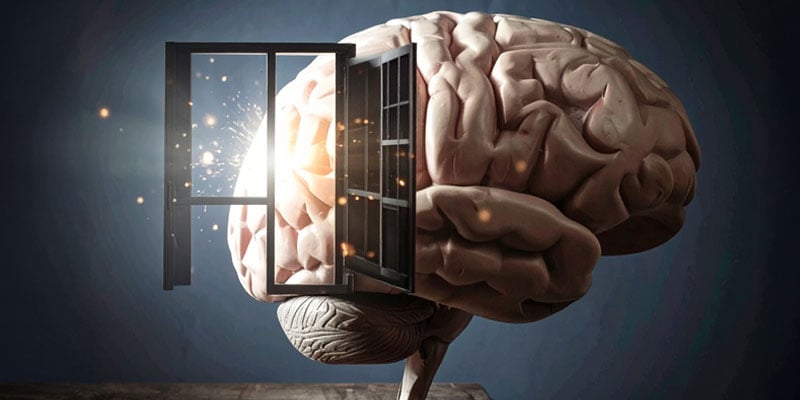
I am developing a "window into the brain" using Blood Based Exosome Biomarkers. The disease we are focusing on first is Alzheimer's, a disease to which I have dedicated my career.
"I cannot imagine anything worse than losing all of the memories I have spent a lifetime building and reaching a stage when I do not recognize my friends or family. There is no cure for this disease today, but blood-based biomarkers hold the power to facilitate earlier diagnoses for earlier intervention and a deeper understanding of the biological processes at play to inform development of novel interventions."
What motivated you to do this research?
While I have always been passionate about studying Alzheimer’s disease, a pivotal moment that motivated this research was when an otherwise healthy patient with major lapses in memory came into Dr. Chris Filley’s clinic during a conversation we were having on biomarkers. With no blood tests and insufficient symptoms to recommend PET imaging and/or a lumbar puncture (CSF), there wasn't much he could do to relieve her concerns other than perform standard neurological assessments. After she left the clinic, Dr. Filley looked at me and said, "And that is the patient we need biomarker testing for."
What's the potential impact of your discovery?
Currently the gold standard tests for the detection of Alzheimer's disease are Lumbar Punctures (CSF) and/or PET imaging using radioactive compounds. These tests are invasive and costly. In addition, by the time patients present with clinical symptoms, pathology such as amyloid beta plaques could have been causing damage for years.
Our hope is that an accessible blood-based test will facilitate brain health monitoring over the lifetime of individuals, helping us to better understand Alzheimer's onset and progression while also informing the design of better therapeutic strategies.
“Intervening at the plaque stage is too late. I think about this in the same way as cholesterol accumulation. People with high cholesterol take statins to prevent plaque build-up in their blood vessels. This needs to be the case for Alzheimer’s disease. But how do we treat Alzheimer’s if we don't understand how the disease progresses? These blood-based biomarkers are essential.”
What near-term milestones around your discovery are you most excited about?:
We are generating more data in individuals with mild cognitive impairment (MCI) and controls to develop a deeper understanding of which biomarkers are predictive of Alzheimer's onset and progression. We are also developing these tests so that we can assess inflammatory processes that are occurring in the brain from the plasma.
What future directions do you wish to expand this discovery?
Collaborating with experts in various fields we are developing additional blood-based exosome biomarkers for lupus, multiple sclerosis, and Stiff person syndrome, as well as cancers that include pancreatic, ovarian and triple negative breast cancer. In fact, this technology can be adapted for any disease if we have cellular models and/or patient samples. In addition, Dr. Graner and I are developing an exosome core service center to team with researchers of all interests for the identification and evaluation of biomarkers in their fields of passion.
CU Anschutz values collaboration over competition. Team science recognitions:
I want to make particular mention of Dr. Huntington Potter for funding the early years of this work and with whom I have spent many hours puzzling through how to develop this technology. In addition I want to thank Drs. Brianne Bettcher and Timothy Boyd for introducing me to exosomes as possible biomarkers of disease, Dr. Heidi Chial for many conversations about immunoprecipitations, Dr. Andrew Bubak for cell supernatants and aided by Ms. Adriana Solano the careful R-analysis necessary for the identification of unique biomarkers in my proteomic data, Dr. Stefan Sillau for his careful statistical analyses, Dr. Aurelie Ledreux for use of her Exoview instrument when I did not have my own, Dr. Kristyn Masters for her excitement for this work and in helping us successfully apply for and continue to apply for funding for this project, and Dr. Kimberley Bruce for her thought partnership on the first microglial markers from our identified biomarkers we should test. Last and certainly not least I want to give a big shout out to research assistants Gillian Cook and Mercedes Lopez for all their work generating and analyzing Biomarker data with me. Of course, I am also super grateful for my conversations with Chris Filley which validated the medical need for this technology.
For inquiries on licensing this technology contact: maxine.faass@cuanschutz.edu
Ref# 2024-285 & 2024-293 / 303-724-0220