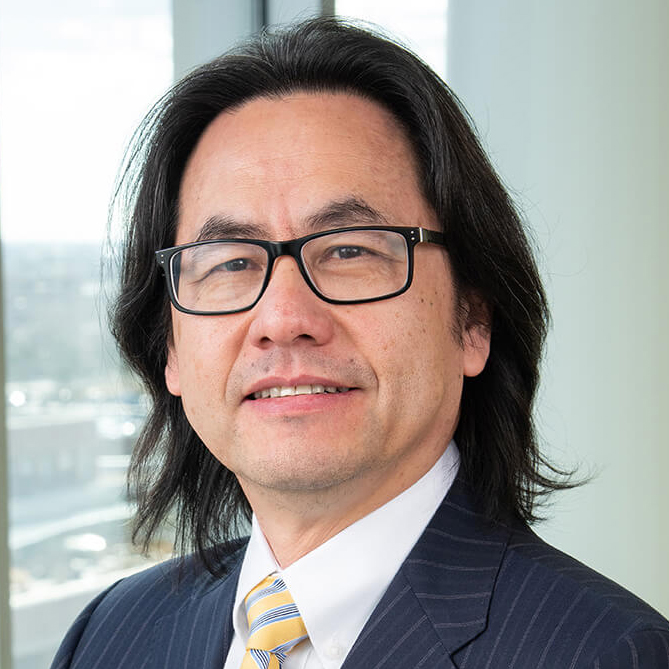

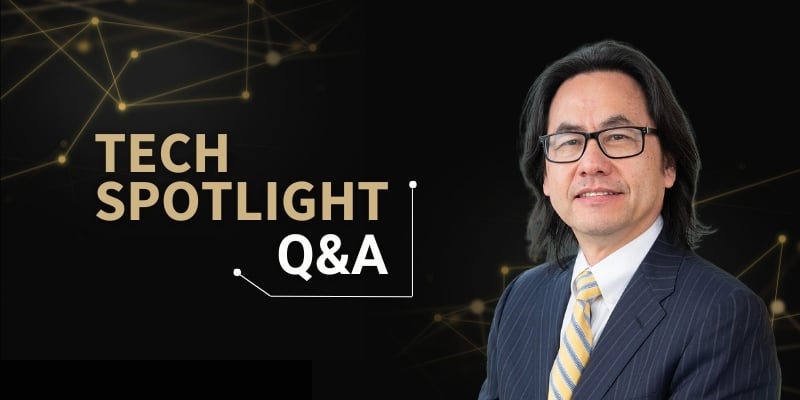
A Q&A with Shi-Long Lu, MD, PhD,
Professor, Otolaryngology - Head and Neck Surgery,
CU Anschutz School of Medicine

What is the name of your invention?
HNKlear-A Saliva Test for Head and Neck Cancer
What's your discovery?
We’ve developed a non-invasive, saliva-based molecular test for head and neck cancer that could transform how this disease is detected and managed. It has potential applications in screening, early detection, monitoring progression and treatment response, and guiding more personalized and accessible care.
What motivated you to do this research?
We all know that early detection saves lives, but head and neck cancer still lacks an approved screening method like those available for breast, colon, or cervical cancer. During my postdoctoral training, I helped develop stool DNA testing for colon cancer, and that experience showed me the power of non-invasive molecular tests. It inspired me to take a similar approach for head and neck cancer—using saliva, a biologically relevant and easily accessible sample, to create a more practical and patient-friendly way to detect and monitor the disease.
"Head and neck cancers—which include cancers of the oral cavity, tongue, throat, and larynx—are the sixth most common cancer in the U.S. They remain highly deadly, with a five-year survival rate below 50%.
Our goal is to detect this disease earlier, whether it’s at the first diagnosis or to identify if it might recur. Early detection in both cases creates critical opportunities for more effective treatment and better patient outcomes. " - Dr. Shi-Long Lu
What near-term milestones are you most excited about?
After our initial discovery, we’ve successfully validated the HNKlear test both analytically and clinically through multi-institutional trials supported by the NIH. The test performs at least as accurately as current standard-of-care methods like medical imaging. Its convenience, low cost, and non-invasive design make it easier for patients and doctors to monitor cancer progression more frequently and effectively, which is incredibly exciting for us.
What future directions do you wish to expand this discovery?
Right now, we are focusing on detecting cancer recurrence with HNKlear. In the future, we hope it could be used for routine screening in primary care and dental offices, bringing early detection to more patients. Because cancers of the upper aerodigestive tract—like those of the esophagus and lungs—share similar biology, we are also exploring the development of similar non-invasive tests for these cancers.
Ultimately, our goal is to make cancer detection earlier, easier, and more accessible for everyone.
Any shout outs you'd like to give?
This project has been made possible thanks to the support of many resources, including the CU Anschutz Innovations SPARK program and recent funding from the NIH. We are deeply grateful to the patients who participated in our studies and to our dedicated clinical team—Dr. John Song, Julie Goddard, Brian Cervenka, Carissa Thomas, and Brian Harry. We also thank our collaborators at WashU, MD Anderson, OHSU, and UCLA. Finally, I want to acknowledge my mentor, Stan Lapidus, a pioneer in the cancer diagnostics industry, for his invaluable guidance in both technology and entrepreneurship.
_________
Explore Shi-Long’s early work in saliva-based testing alongside mentor, Stan Lapidus. The team was able to pivot rapidly to deploy their testing during COVID, building one of Colorado’s largest COVID saliva testing labs, supporting hundreds of thousands of patients. The effort is now advancing a new generation of oncology and infectious disease diagnostics.
For inquiries on licensing this technology contact: doreen.molk@cuanschutz.edu
Ref# CU3703H and CU3704H
Interested in licensing technologies from the university? Click here.