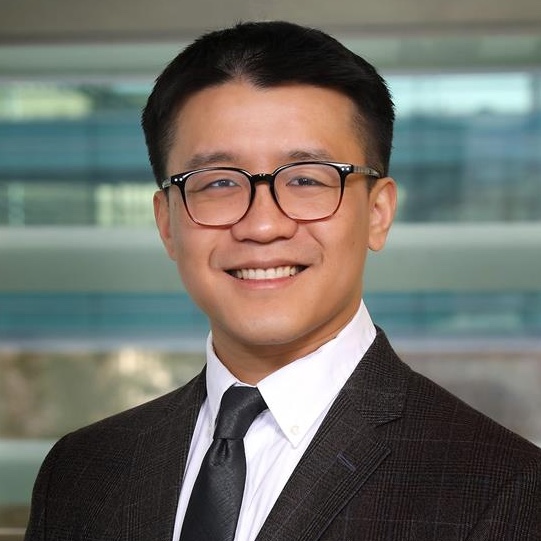

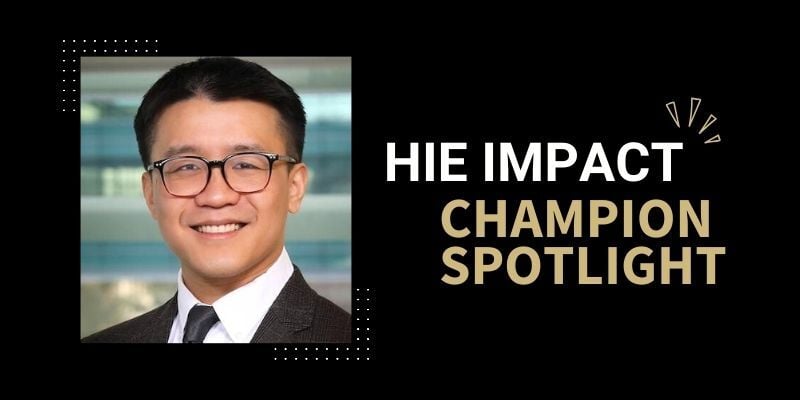
A Q&A with Assistant Professor of Urologic Surgery, CU Anschutz School of Medicine
HIE Impact Innovation Champions are CU Anschutz faculty and staff embedded across campus who are helping shape a culture where ideas become impact. Through this spotlight series, we’ll introduce you to the Champions driving change from within, the connectors, catalysts, and collaborators who are making innovation more visible, accessible, and actionable for all. Get to know what motivates them, the discoveries they’re championing, and how they’re helping move bold ideas toward patient and societal benefit.

"Translating research discoveries into clinical use is interesting, rewarding, and it’s a really important part of what we do. I used to think the job was done with a publication. These days I recognize that it’s just the beginning."
How did you catch the innovation bug/ what was your first exposure to innovation?
During my fellowship training I wanted to learn how to keep kidneys alive outside the body, so in my free time I cobbled together a “DIY” organ perfusion system using repurposed and recycled components lying around the hospital. Some items may or may not have been borrowed indefinitely. I spent a lot of time hanging out at cardiopulmonary bypass cases, at the American Red Cross, and also at a pig farm (don’t ask). I called it my science fair project. Eventually I got the system to work pretty well and realized that a lot of people were after this technology, so my mentor and I filed a patent on it.
What innovation work are you currently involved in (or have supported), and what impact are you hoping it will create?
The science fair project noted above is still going. It’s now the basis for my lab at CU Anschutz, and I co-founded a company with a mission to democratize organ perfusion. I want to help organ procurement organizations, transplant centers, and research groups use this technology more easily to benefit patients and advance science. We don’t want it to be sequestered by a small group of companies.
I’m also working on kidney gene therapy and alternative oxygen carriers, and there’s a chance I may be making a foray into microbots soon. Yes, it’s probably too many things. I have high-functioning ADHD, so chaos is my comfort zone.
Is there anyone in your department doing particularly interesting innovation work? Tell us about them and their work.
Jessica Cardenas. She does incredible work on coagulation and endothelial biology and has discovered all sorts of ways to control clotting. Her office is just down the hall from mine in RC2, but we didn’t formally cross paths until about a year after I got here. It’s funny - I was working on two completely unrelated projects, and my collaborators from other institutions were like “Hey do you know Jessica Cardenas? We should ask her for help.” Now we’re writing grants together.
If you could wave a magic wand, what is the most important thing you would be able to accomplish as a HIE Impact Innovation Champion?
I’d like to help dispel the myth that being in academia means you can’t or shouldn't commercialize your work.
What excites you most about the future of innovation on this campus?
It’s awesome and also quite special that CU Anschutz Innovations is making a concerted effort to educate our research community about innovation and entrepreneurship – aka “the business of science.” There are a lot of people here with good ideas and big ideas but don’t know where to start. Having this partnership and a community to support innovators is a great way to break the ice and get people started.
Any particularly interesting or surprising learnings along the innovation journey to share?
I have no idea how patent lawyers turn a 10-slide PowerPoint presentation into a 100-page provisional patent, but they can. It’s pretty impressive.
What advice would you give a colleague who has an idea but isn’t sure where to begin?
Reach out to CU Anschutz Innovations, or chat with me first (four out of four members of my lab say I’m very approachable). I’m pretty flexible most Thursdays, and I enjoy meeting over coffee in the AHSB atrium.