What is periodontal disease, and how common is it?
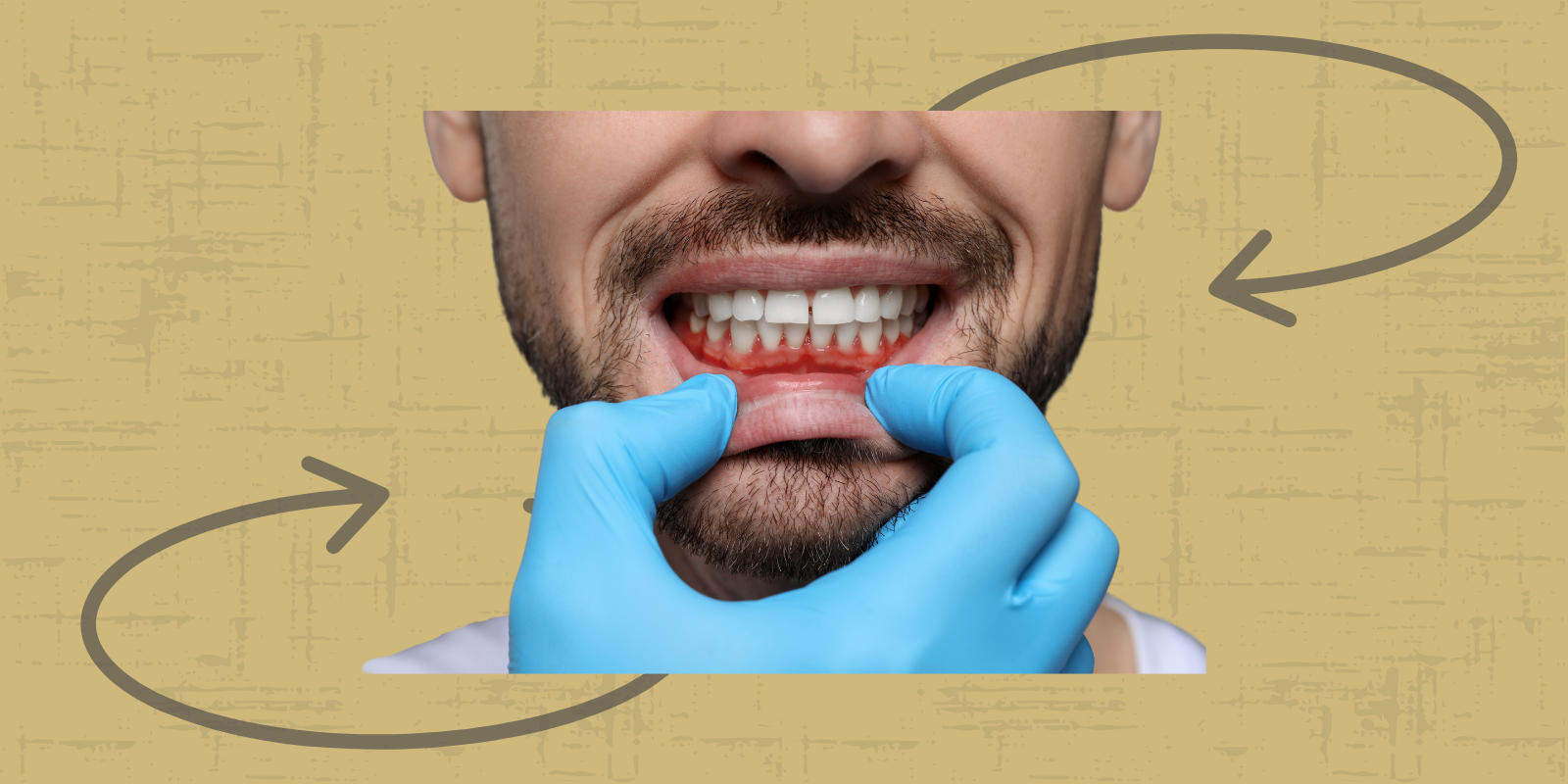
Periodontal disease is a highly common inflammatory condition of the periodontium, which is the complex of gum tissues surrounding and supporting the teeth. It affects 42% of the general U.S. population — a major public health concern according to the National Institute of Dental and Craniofacial Research. It is also the sixth most prevalent disease worldwide, estimated to cost some $54 billion in lost productivity annually due to work absenteeism.
There are two forms of periodontal disease: gingivitis, which is inflammation of the gums from a buildup of bacteria on the teeth, and periodontitis, which occurs when inflammation has spread to the bone supporting the teeth. Gingivitis can be reversed with good oral hygiene practices, but once it becomes periodontitis, it is not reversible and can lead to tooth loss in advanced or untreated cases.
What are the signs and main causes of periodontal disease?
Periodontal disease typically doesn’t have acute symptoms, so patients often don’t know they have it. Early signs may include bleeding gums. During an exam, patients will typically have gum inflammation, or their gums may be very sensitive to touch.
Periodontal disease is caused by plaque buildup and accumulation. More advanced, severe periodontitis is more common in males for many possible reasons, including worse oral hygiene of males compared to females and hormonal influence on the immune system and tissue healing. Post-menopausal women also have an increased risk of advanced periodontitis compared to pre-menopausal women, due to hormonal changes.
Individuals with chronic conditions that affect their immune response or who have physical limitations that prevent proper oral care are also more prone to periodontal disease. Stress, alcohol and medications that reduce salivary flow or affect gum health can contribute too. In some cases, aggressive types of periodontal disease can even run in families.
What other health conditions are most strongly associated with periodontal disease?
We know that smokers and patients with diabetes mellitus are at higher risk for periodontal disease. Smoking narrows and constricts the blood vessels, making it difficult for gum tissue to heal after cleaning. Smokers also have less oxygen inside their infected gums, creating a fertile environment for bad bacteria.
Diabetes mellitus, meanwhile, impacts the quality of collagen, which is important for healing and maintaining healthy gum tissue. In fact, periodontal disease is one of the major complications of diabetes mellitus. Studies have shown that the relationship between periodontitis and diabetes is bidirectional, meaning they can both influence each other.
Some studies have found that treating periodontitis may help lower diabetes patients’ glucose levels and improve their condition. Research also shows that periodontal disease treatment may reduce inflammation in chronic kidney disease.
How does periodontal disease affect other inflammatory diseases in the body?
The associations are complex. We don’t yet know if there is a direct causal link, but we believe that inflammation from periodontal disease may contribute to inflammation in other parts of the body, impacting health conditions such as diabetes mellitus, chronic kidney disease, gastrointestinal disease and others. There may also be a link with cardiovascular disease and stroke, but researchers have not proven the cause.
Inflammatory events play a major role in these diseases’ development and progression. Since teeth and gums are part of the body’s blood circulation, the inflammatory molecules from inflamed gum tissues can travel to other parts of the body, contributing to inflammation in those areas. At the same time, inflammatory molecules from other areas of the body can travel to the teeth and gums, affecting their health.
We know these conditions share inflammatory processes and health interactions, but we can’t conclusively say that periodontal disease causes them.
Still, we know that if patients with these conditions get regular dental cleanings and maintain their oral health, it helps them to better manage chronic health problems. That’s why it is so important for dental and medical professionals to talk to each other about their patients and coordinate care.
How do periodontists treat gum disease?
First, we scale the teeth and do root planing, which is deep cleaning below the gum line to remove plaque and bacteria. Since patient education is so important in preventing periodontal disease and slowing down its progression once it’s developed, we also stain teeth with temporary dyes to show the plaque buildup and teach patients proper oral hygiene. Then, we reassess the results in about a month to see if their condition has improved and determine if they need gum surgery. Types of surgery include opening and visualizing under the gums or gum grafting. For a rapidly progressive, aggressive type of periodontitis, we may prescribe a short course of antibiotics like amoxicillin to target the bacteria.
We recommend periodontal maintenance visits, typically every three months, to monitor the disease and prevent relapse.
The progression of periodontal disease can definitely be minimized. Some clinicians see patients for years who are so meticulous about their oral hygiene that the disease doesn’t progress. One study found that patients who had gum surgery and then were seen every two weeks for professional cleanings for many years showed no progression of their gum disease after initial treatment.
What are you and others in the field doing to help prevent and treat periodontal disease?
Every patient comes in with their own set of oral conditions, medical histories and life experiences. So, we need a more personalized approach in developing treatments tailored to the specific needs of each patient.
Effective plaque control and limiting periodontal disease progression are critical. That requires patient education and their lifetime compliance with home oral hygiene care as well as regular periodontal and medical professional visits. We need a coordinated effort between dental, medical, nursing, and other health providers to make a real impact.