Awareness of sleep apnea, a condition where a person repeatedly stops and resumes breathing during sleep, is growing. But most people with sleep apnea don’t know they have it.
Without treatment, sleep apnea can affect many dimensions of health, including the cardiovascular and immune systems, mood, cognitive function, and emotional well-being. It increases the risk of serious problems like high blood pressure, diabetes, heart attack, stroke, and even dementia.
Luckily, there’s help available for sleep apnea, and getting a diagnosis and treatment can be invaluable for long-term quality of life. We asked physician assistant Ann Cartwright, MPAS, a 17-year practitioner of sleep medicine and an instructor in the Division of Pulmonary, Allergy and Critical Care Medicine in the University of Colorado Anschutz Department of Medicine, what patients most need to know about this condition.
Here were a few of the biggest takeaways.
Sleep apnea is incredibly common and affects all kinds of people.
According to Cartwright, sleep apnea is extremely widespread. She says the most common type, obstructive sleep apnea (OSA), is likely more common than diabetes. According to the Centers for Disease Control and Prevention (CDC), diabetes affects about 12% of the U.S. population, and research indicates about one-third of adults aged 20 and older in the U.S. have OSA. But Cartwright says roughly 80% of people with sleep apnea are undiagnosed.
Sleep apnea is a condition where people repeatedly stop breathing during sleep. There are two types of sleep apnea. In OSA, muscles and tissues in the upper airway relax and block the airway, which can momentarily interrupt airflow during sleep. The other type, called central sleep apnea (CSA), happens when the brain does not send the signal for the body to breathe. CSA is much less common than OSA.
One of the biggest risk factors for OSA is excess body weight. Extra weight, especially in the upper airway, crowds the airway, making it more likely to collapse and close during sleep. A majority of people with OSA have overweight or obesity, and losing weight can often improve the condition. But that isn’t always the case.
“People often think, ‘Well, if I'm not overweight and I don't snore, I can't have sleep apnea.’ That is not true,” says Cartwright. “A third of people with obstructive sleep apnea are normal weight. It has to do with other factors, like anatomy and muscle tone in the upper airway. So, it's not only weight-related.”
The symptoms of sleep apnea aren’t always obvious, but there are some patterns to look out for.
The most classic OSA symptoms include loud, persistent snoring, witnessed pauses in breathing during sleep, and sometimes jolting awake in the middle of the night gasping for air. Sleep tends to be restless and fragmented, and it’s also common to wake up in the night needing to urinate.
But many people with sleep apnea — especially women — don’t display these stereotypical symptoms. Women often notice subtler, vaguer symptoms like headaches, unusual tiredness, mood changes, or trouble concentrating during the day. Because these symptoms can have many other causes, health care providers may not link them to sleep apnea.
Home sleep studies are often the first step toward getting a diagnosis. These tests are good at picking up people with more classic and severe sleep apnea, but they can sometimes miss people with milder sleep apnea. Additionally, home sleep testing often misses sleep apnea in patients with insomnia.
Anyone with persistent, unexplained changes in their health should seek guidance from their primary care provider, Cartwright says.
“If you have a home sleep test and it comes back normal, but you’re still having symptoms, don't let it end there,” she says. “You have to be your own advocate and say, ‘I need to have more testing.’”
Untreated sleep apnea stresses major organ systems and increases the risk for chronic disease.
People with sleep apnea experience breaks in breathing during the night. Every pause reduces the amount of oxygen that makes its way to vital organs, which stresses the body. And when sleep apnea goes untreated long-term, it can have widespread effects on the body.
Cartwright says that when oxygen levels fall, the heart and brain bear the brunt. The brain sends alarm signals throughout the body, stress hormones surge through the bloodstream, and heart rate and blood pressure spike. These alarm signals usually wake the person up so they can start breathing again.
But these sleep disruptions, plus a lower-than-normal oxygen level in the brain, can start to harm memory and cognition. The pressure on the heart and chest cavity from trying to breathe against a closed airway — along with low oxygen, stress signals from the brain, and interrupted sleep — can heighten the risk of heart failure or arrhythmias, including atrial fibrillation. Sleep apnea can also increase blood sugar and cholesterol while decreasing insulin sensitivity.
“Untreated sleep apnea affects pretty much every facet of our health, bodies, and minds,” Cartwright says.
Sleep apnea is treatable, and treatment may be less scary than you think.
Treatment can mitigate many of the health risks of sleep apnea, and there are multiple treatment options.
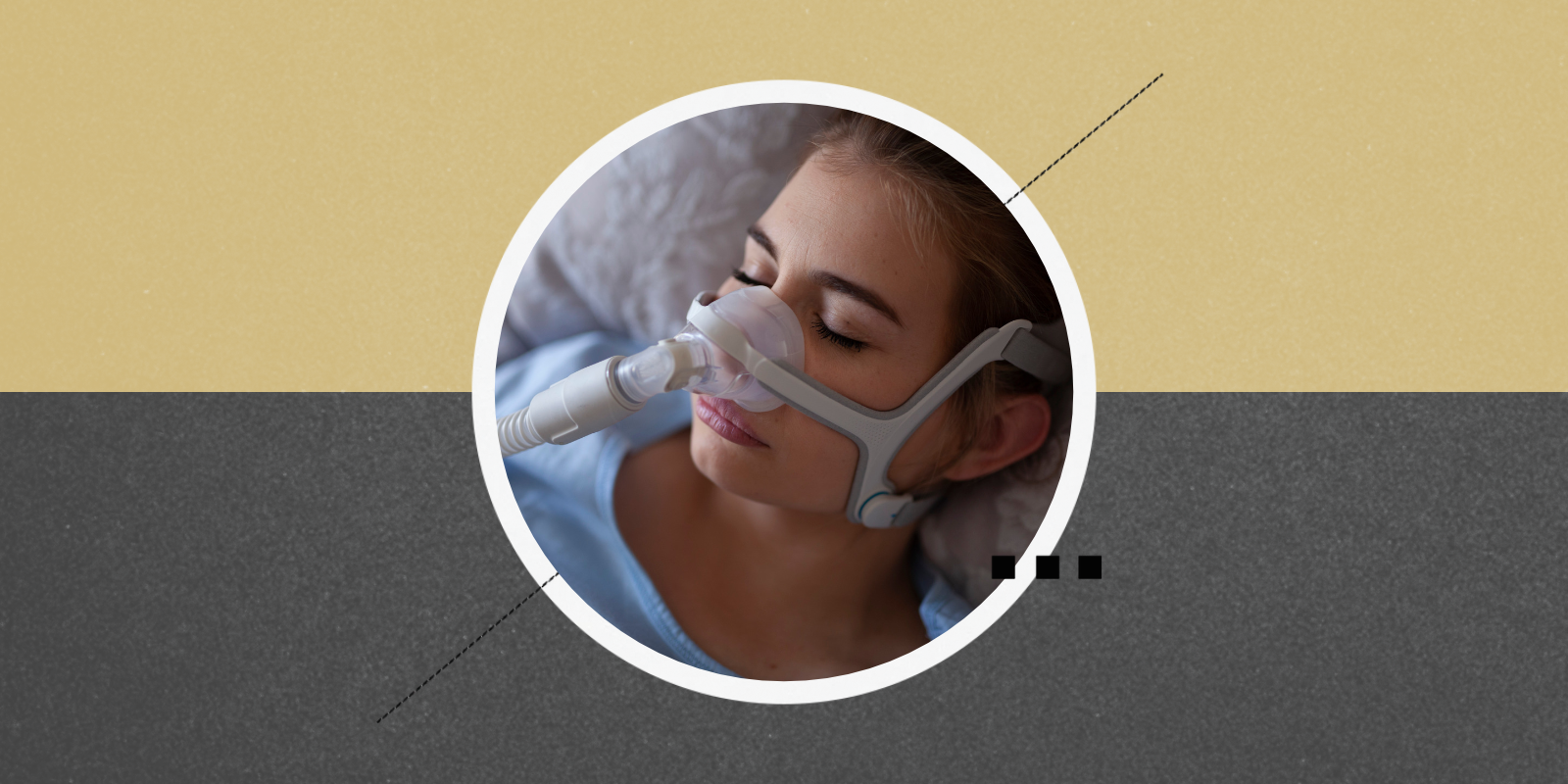
For OSA, continuous positive airway pressure (CPAP) therapy is the number one most effective treatment. A CPAP machine pumps filtered air into a mask that sits on the patient’s face while they sleep, which provides consistent air pressure to keep the airways open overnight.
According to Cartwright, many patients are leery of going on a CPAP machine, but the fear usually subsides after patients adjust to using it and find that it improves their sleep and breathing at night. She encourages patients to ease into using it and give themselves time to acclimate.
“I equate it to scuba diving,” she says. “If you've never been scuba diving, if you put all that gear on and jumped in the ocean, you would probably panic a little bit because breathing feels different at first. It's weird, and your breathing's different. You don’t jump in the ocean right away — you work up to that,” says Cartwright.
“It’s the same with CPAP. You don't have to force it all night, every night, on night one. I recommend practicing with CPAP while you are awake at first to get used to it. Watching TV while wearing CPAP is a great way to get acclimated.”
Other treatments, such as dental appliances, medications, lifestyle changes, and surgery, are also available for patients who cannot or do not wish to use CPAP.