

When Laura Roberts joined a hiking group for cancer survivors in 2021, she hoped it would improve her outlook after months of COVID-19 isolation.
The group ended up changing her life.
“The diagnosis of cancer is such a life-altering event,” says Roberts, 62, of Wheat Ridge, Colorado, who was diagnosed with stage 3 breast cancer in 2017. “Survivors not only have the continued worry of recurrence, but many of us are also injured from treatment. Having the ability to communicate with other survivors in nature, while exercising the body, is nurturing for the soul.”
Life by living
That’s why Roberts joined Live By Living, a Colorado-based nonprofit that provides no-cost retreats, hikes, and walks throughout Colorado for cancer patients, survivors, and caregivers. Walking through the state’s grandeur with others who could understand what she had been through, Roberts received valuable counsel and advice — the most important of which might have been to move her care from a smaller hospital in the western suburbs to the University of Colorado Anschutz Department of Surgery and CU Cancer Center and their partner hospital UCHealth University of Colorado Hospital.
“Finding my new tribe, acknowledging I was failing to thrive with my new normal, and moving my continuing cancer recovery care to UCHealth completely changed my life,” Roberts says. “I finally felt I had the opportunity to claim a more productive, fulfilling life.”
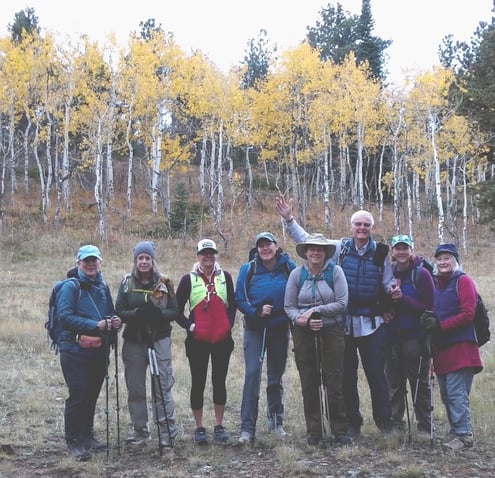 Roberts, second from left, on a Live By Living hike.
Rehab to the rescue
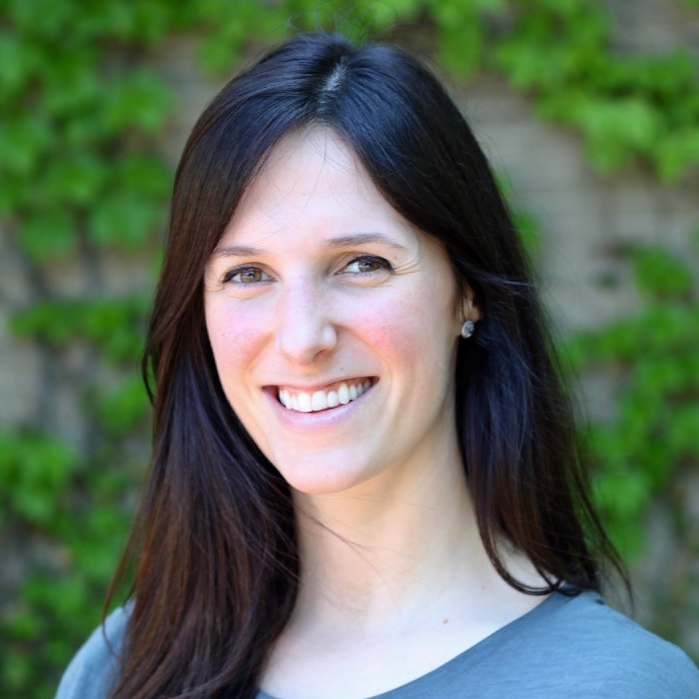
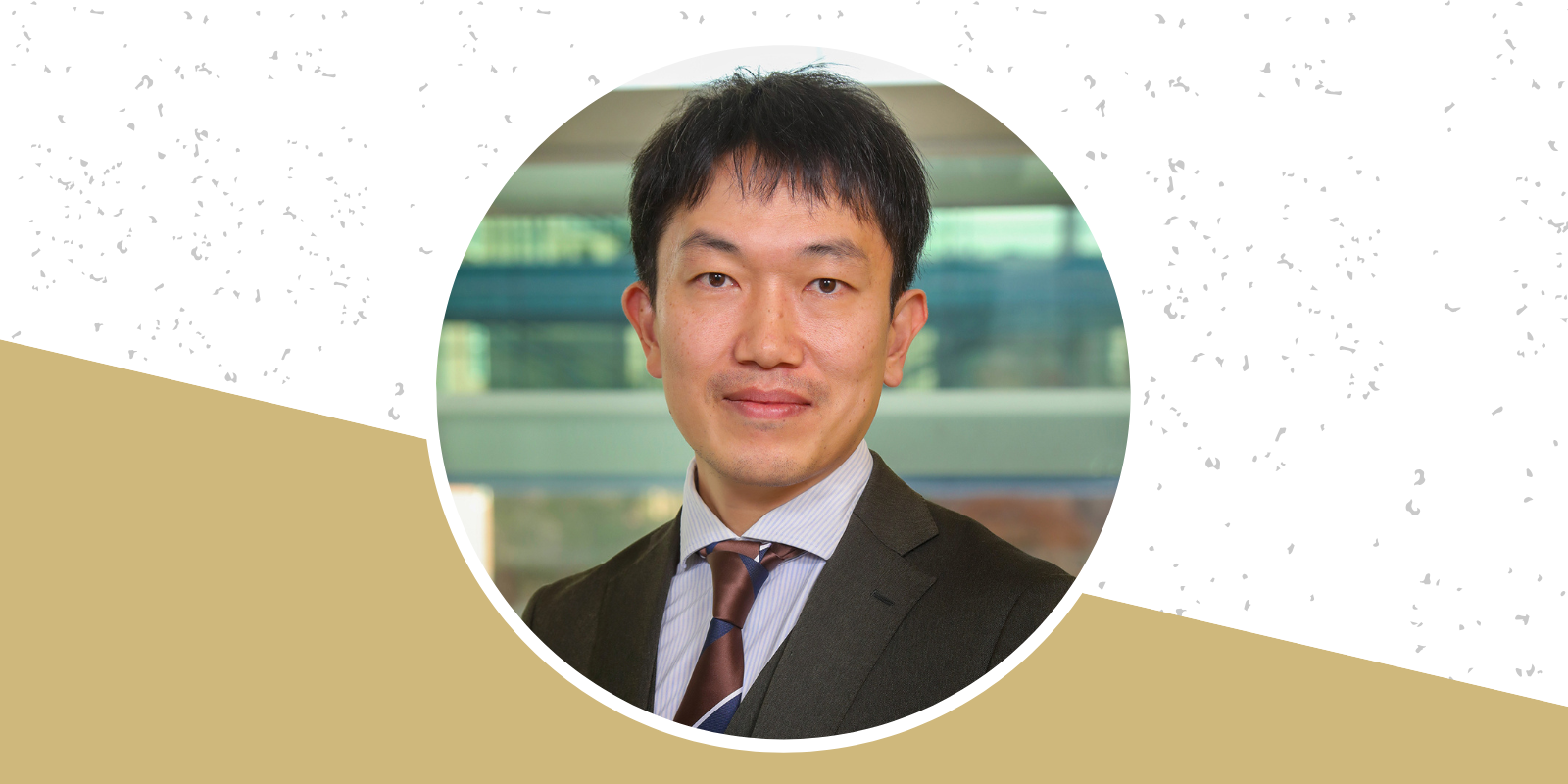
Roberts had received chemotherapy, surgery, and radiation at her previous provider, but the treatment had left her in pain and resulted in scarring and disabilities. At the CU Cancer Center, she was soon connected with Franchesca König, MD, assistant professor of physical medicine and rehabilitation in the CU Anschutz School of Medicine.
“I describe myself as a quality of life and function quarterback,” König says. “I'm a cancer rehab doctor, so I’ve been helping Laura through the aftermath of her cancer — the musculoskeletal, neurologic, and functional complications of cancer and treatment.”
In Roberts’ case, that means finding ways to treat peripheral neuropathy from prior chemotherapy, tightness in the chest wall because of radiation fibrosis, and lymphedema — swelling in the arm, breast, or chest caused by cancer treatment.
“A lot of these things are chronic,” König says. “A lot of patients go through treatment, and then it's like, ‘You completed treatment — go live your life.’ But what does that look like? It's a whole different landscape for folks. Laura also wanted to get back into the workforce and find a new meaning to her life, so I’m trying to help her navigate all of that as well.”
A tune-up for Lucy and Ethel
Roberts had other lasting effects from her previous cancer treatment, as well — her non-cancerous right breast, which she named “Ethel” (her cancerous left breast, naturally, is “Lucy”) had become noticeably different from its counterpart.
“Lucy has been steadily shrinking in size due to the large amount of radiation required to reach the cancer that spread into my clavicle area,” Roberts says. “Ethel had a reduction and lift when I had my lumpectomy in 2018. Time introduced the law of gravity to Ethel, and my breasts had become very mismatched in size.”
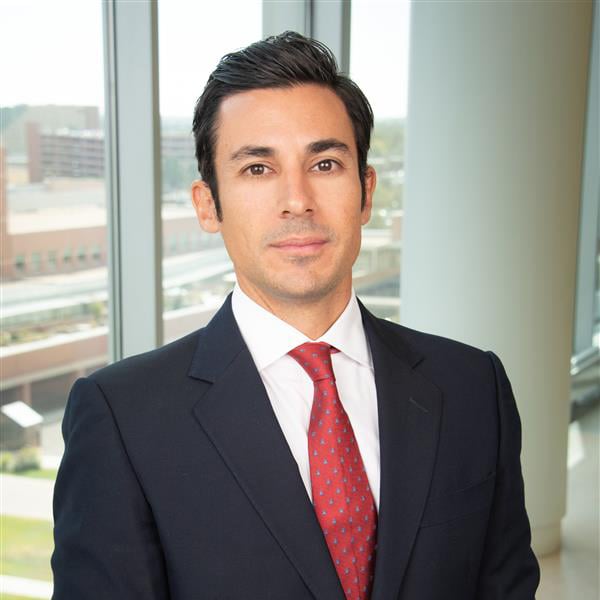
Roberts was referred to CU surgeon Christodoulos Kaoutzanis, MD, for a revision surgery, which was “very successful,” Roberts says. “I have more symmetry, and I feel more confident.”
Kaoutzanis notes that revision cases can be complex, but the Division of Plastic and Reconstructive Surgery at CU Anschutz has the experience and expertise to manage them successfully. In this case, he utilized some of the latest surgical technologies to achieve an excellent outcome and deliver a balanced, natural result for Roberts. In addition, Kaoutzanis performed a “tummy tuck” procedure.
“We can often combine revision surgeries with other cosmetic procedures to help patients feel more confident and satisfied with their appearance,” he says.
Life after treatment
Thanks in large part to the treatment she received at CU, Roberts is feeling much better about her cancer journey. Now living with no evidence of disease, she has a new sense of gratitude for each day.
“I’m more grateful for the small things I rushed past prior to cancer,” she says. “I attempt to see more sunrises and sunsets, and I take more pauses to deeply breathe in the air and watch the clouds float on by. I have been known to dance a bit when I hear music in the grocery store, too.”
Roberts also has a new group of friends she made in the infusion room, in support groups, and in her hiking group — they have become a “support tribe,” and she encourages other breast cancer survivors to find and embrace a tribe of their own.
“It’s comforting to find people who can have a reciprocal laugh with you about some of the weird things that happen from treatment or can empathize with you when you’re feeling unsure and anxious about the continuing screenings cancer survivors require,” she says.
As for those newly diagnosed with cancer, Roberts offers this advice — trust your emotions and focus on the positive when you can.
“First and foremost, remember to take deep breaths to center yourself, especially when you’re in the initial stages of diagnosis and treatment,” she says. “The process is overwhelming. All your emotions are valid. I cried. I was mad. I was fearful. I was anxious. So I focused on making this a healing journey. I reframed my thinking into finding my silver linings and hidden blessings.”