<img height="1" width="1" style="display:none" src="https://www.facebook.com/tr?id=799546403794687&amp;ev=PageView&amp;noscript=1">

Matthew Stone, MD, Named Meg F. Rady and Family Chair in Congenital Cardiac Surgery

Stone is associate professor of cardiothoracic surgery and surgical director of the pediatric heart transplantation program at Children’s Hospital Colorado.

minute read

by Greg Glasgow | December 3, 2025
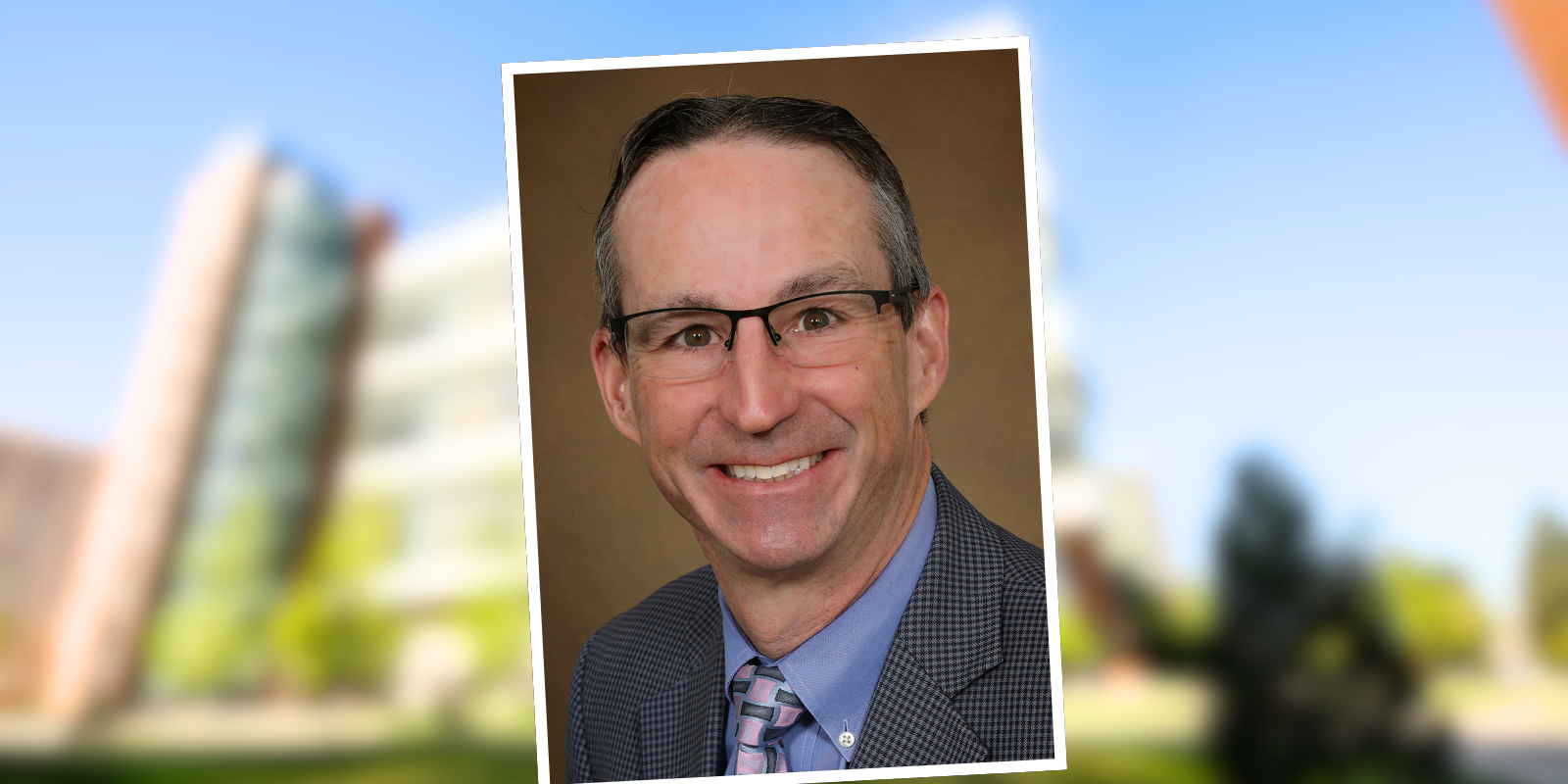
Matthew Stone headshot

University of Colorado Anschutz Department of Surgery faculty member Matthew Stone, MD, is the latest recipient of the Meg F. Rady and Family Chair in Congenital Cardiac Surgery. The chair was established through a gift from Paul and Katy Rady and previously held by Max Mitchell, MD.

Stone, associate professor of cardiothoracic surgery, is surgical director of the pediatric heart transplantation program at Children’s Hospital Colorado. He completed congenital cardiac training at the CU Anschutz School of Medicine in 2019 and was hired as a faculty member the same year. In addition to his primary clinical focus in neonatal cardiac surgery, Stone is the principal investigator of a laboratory focusing on myocardial ischemia-reperfusion injury, ex vivo heart perfusion, novel approaches to single ventricle palliation, and applications of advanced imaging in congenital heart disease.


Q&A Header

What will the Rady Family Chair allow you to do?

It provides more financial support and organized structure to our lab. I have several general surgery residents who work in our lab, and having a stable foundational base to work from ensures continuity for them. We'll still have a commitment to applying for grants, but this chair elevates us and our ability to have a larger research footprint.

What is the primary focus of your research?

I have a background in immunology and studying ischemia reperfusion injury, so we are looking at utilizing perfusion circuits to deliver targeted immunotherapies to donated hearts before they're reperfused in the recipients to prevent graft dysfunction. We also have an interest in single ventricle congenital heart disease — babies that are born with only one side of their heart undergo a staged palliation, which ultimately culminates in what we call the Fontan operation, where blood flow to the lungs is completely passive, and the heart serves as the pump to the body. That is an imperfect solution to a very complex problem, so we are trying to develop novel ways to understand mechanisms for ventricular failure, as well as potential ways to overcome that and support single ventricle physiology.

Is that all in the pediatric realm, or does some of that research translate to adults as well?

As a pediatric heart surgeon, I am focused on expanding the number of donor hearts that we have. The capability to resuscitate hearts has expanded the availability of donor hearts for adults, but there are not as many baby hearts available. My principal focus is to develop technologies and novel approaches to increase those numbers and find ways to use hearts that wouldn't have been previously used.

What is your favorite thing about pediatric cardiac surgery?

I enjoy the opportunity to take care of children. Congenital anomalies are unique for each child, so it requires creativity and imagination. It requires a lot of thought and preparation when thinking about how to reconstruct congenital heart defects. The physiology is very complex but very intuitive. Once you understand the inner workings of congenital physiology, you can apply them to pathologies that you may not have seen before.

Congenital heart surgery is unique in that we are the lifetime care providers for children with congenital heart disease. The children will oftentimes need many operations over the course of their lifetime. It's unlike other some other fields in surgery, where the operations are curative. Many of our operations are palliative, so we have that lifelong relationship with our patients. That brings with it many challenges, but it is also a special opportunity.

How does it feel to be named the Meg F. Rady and Family Chair in Congenital Cardiac Surgery?

I have a lot of gratitude to the Rady family for using their resources to help us in our research pursuits and furthering our ability to take care of children with congenital heart disease. It was a significant donation to our university, and certainly one that I am committed to being a good steward of. A lot of research now is about applying for grants, and it's hard to balance that time with actually furthering the science. This gift allows us to move more of that time into the furthering the science category.