Up to 40% of people who undergo acute trauma surgery later develop post-traumatic stress disorder (PTSD) from a combination of their traumatic injury, the surgery needed to address it, and recovery including dealing with the health care system.
It’s a statistic so concerning that the American College of Surgeons’ (ACS) Committee on Trauma recently developed guidelines for mental health care in people who undergo surgery for traumatic injuries.
Studying current practice
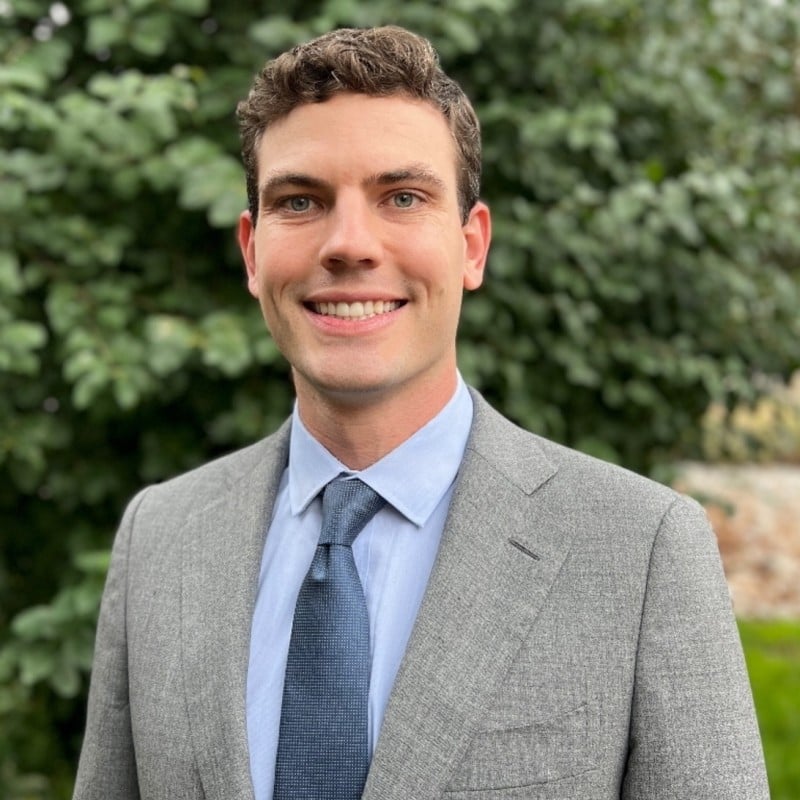
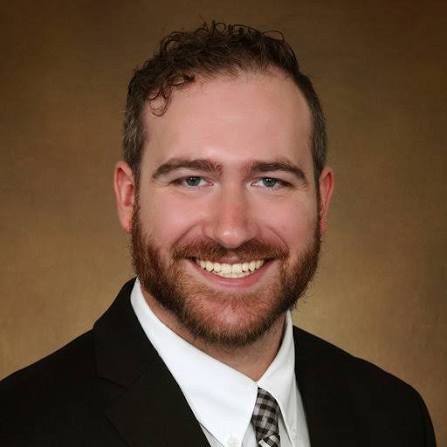
Curious about how those guidelines were being incorporated and what sort of mental health care is being provided to acute trauma surgery patients, Brendan King, a fourth-year student in the University of Colorado Anschutz School of Medicine, worked with Quintin Myers, PhD, assistant professor in the Division of GI, Trauma, and Endocrine Surgery in the CU Anschutz Department of Surgery, to study the issue further. The two interviewed nine social workers at UCHealth University of Colorado — a partner hospital of the CU surgery department — to get a better sense of current practices and adherence to the ACS guidelines.
“Dr. Myers is experienced in qualitative research, and he gave me a lot of tips on how to do these interviews,” King says. “We started by asking, ‘How does a trauma patient get to you? How do you know that there's a trauma patient in the hospital, and what does the referral process look like? How are trauma patients identified so that mental health resources or social work can get to them, and then what is the process once these patients are identified?’”
King and Myers also asked about the mental health resources offered to trauma surgery patients during their hospital stay and following discharge, as well as follow-up care.
“We wanted to understand where they saw gaps and barriers to care, where they felt things could be improved, and how familiar they were with the ACS guidelines,” King says.
Following the recommendations
Though only one of the nine interviewees was aware of the ACS guidelines, Myers and King found that the social workers nevertheless were following the committee’s recommendations, including screening patients for conditions such as PTSD, substance use disorder, depression, and anxiety, and providing follow-up care when possible.
“We saw some really great facilitators of follow-up care, and some barriers as well,” King says. “The facilitators included the patient's health care coverage, the social support system around them, and the relationships that some of our social workers have built with federally qualified health centers and mental health resources in the Aurora community.
“The barriers had to do with access to care,” King continues. “If patients are uninsured or underinsured, they struggle to find the care that they need. There are resources available, but those resources are strained with the amount of patients that need to be seen. Some of the social workers we interviewed talked about how they would love to have a more standardized follow-up protocol. One of the things that was brought up is if we could have support groups for patients who go through trauma. They want to be of service as an institution to the patients who need it.”
Next steps
Myers and King are now working with the UCHealth social work team to summarize their findings and find ways to increase awareness of the ACS recommendations.
“One of the great things that we found was that even though they didn't know that this document existed, they are doing everything they're supposed to be doing,” Myers says. “It may not be in the exact way that the ACS has it laid out, but they are so compassionate. They are doing everything in their power to take care of their patients. It's just a matter of, ‘OK, here are the guidelines. You're already doing it, so let's just formalize it a little bit.”
Among the ways to improve mental health care after trauma surgery, the researchers say, are creating better community relationships with federally qualified mental health centers and advocating for more institutional and systemic support. That could mean providing insurance for those who need it or advocating for patients from disadvantaged communities — communities that are disproportionately likely to be involved in traumatic injuries like gunshot and stab wounds.
“The data is pretty clear that trauma is inherited,” Myers says. “If there are multiple generations in an area with a large amount of gun violence, there’s going to be some inherent level of trauma. If you do become one of the victims, it’s very important to make sure these issues are being screened for and taken care of after the injury.”
King says that for him, the biggest takeaway from the research is that patients are already receiving quality care for mental health issues after trauma surgery.
“Something that we're proud about, and the social workers were very proud about too, is identifying how important social work is in the care for trauma patients and for hospital patients in general,” he says. “They are very confident in their team and their ability to make a real difference in how someone is cared for.”