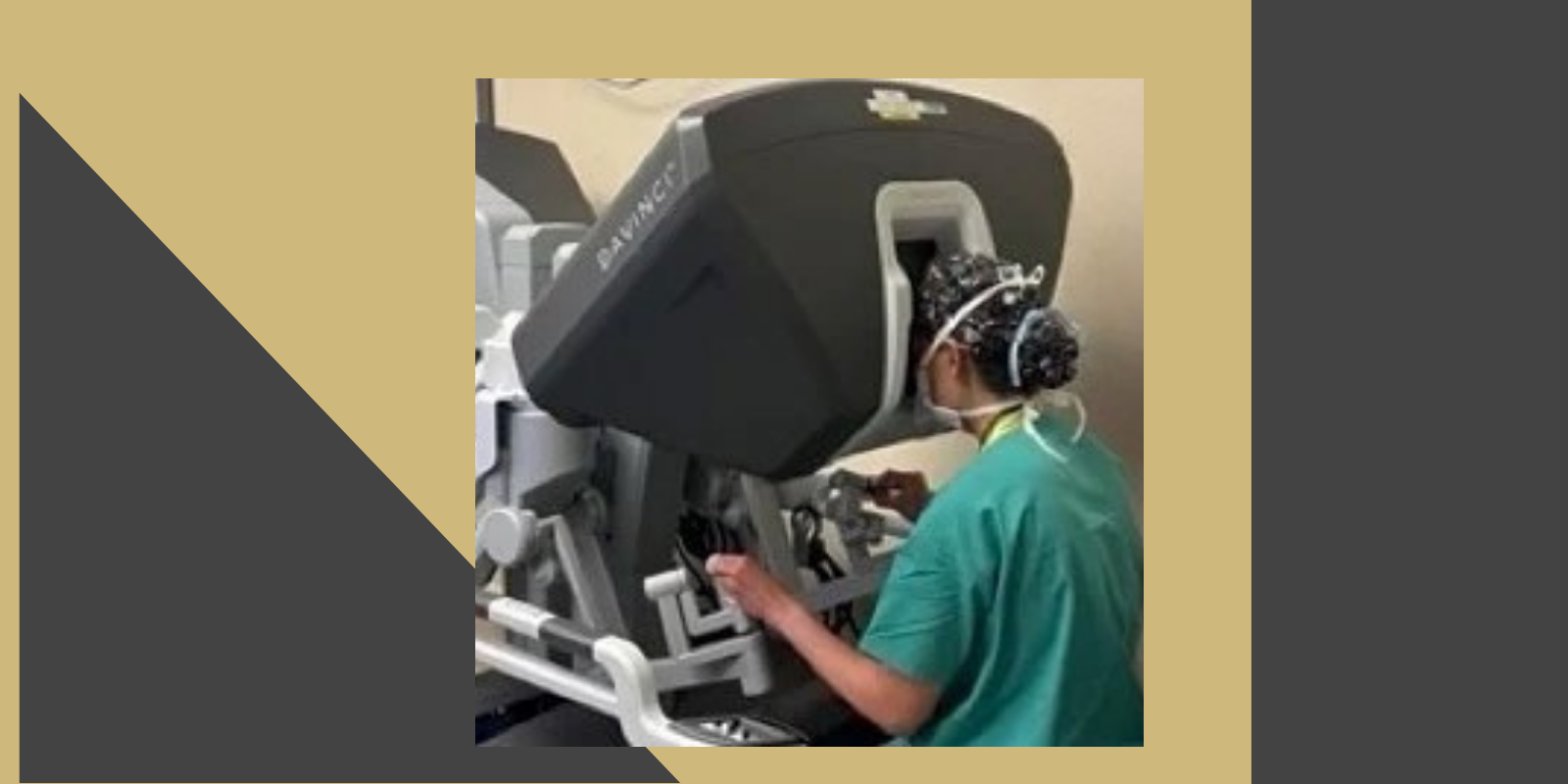
Led by Jessica Rove, MD, associate professor of cardiothoracic surgery in the University of Colorado Anschutz Department of Surgery, the robotic cardiac team in the Division of Cardiothoracic Surgery recently performed its first robotic aortic valve replacement (RAVR) surgery. It was the first such procedure performed in the mountain west. Only a few hundred robotic aortic valve replacements have been performed worldwide.
“The patient spent less than 24 hours in the ICU and did well,” Rove says. “This is a big milestone for our cardiovascular and OR teams. Moving forward, it will be an important minimally invasive option for appropriate patients and highlights the full spectrum of valve treatments we have to offer our patients.”
RAVR advantages
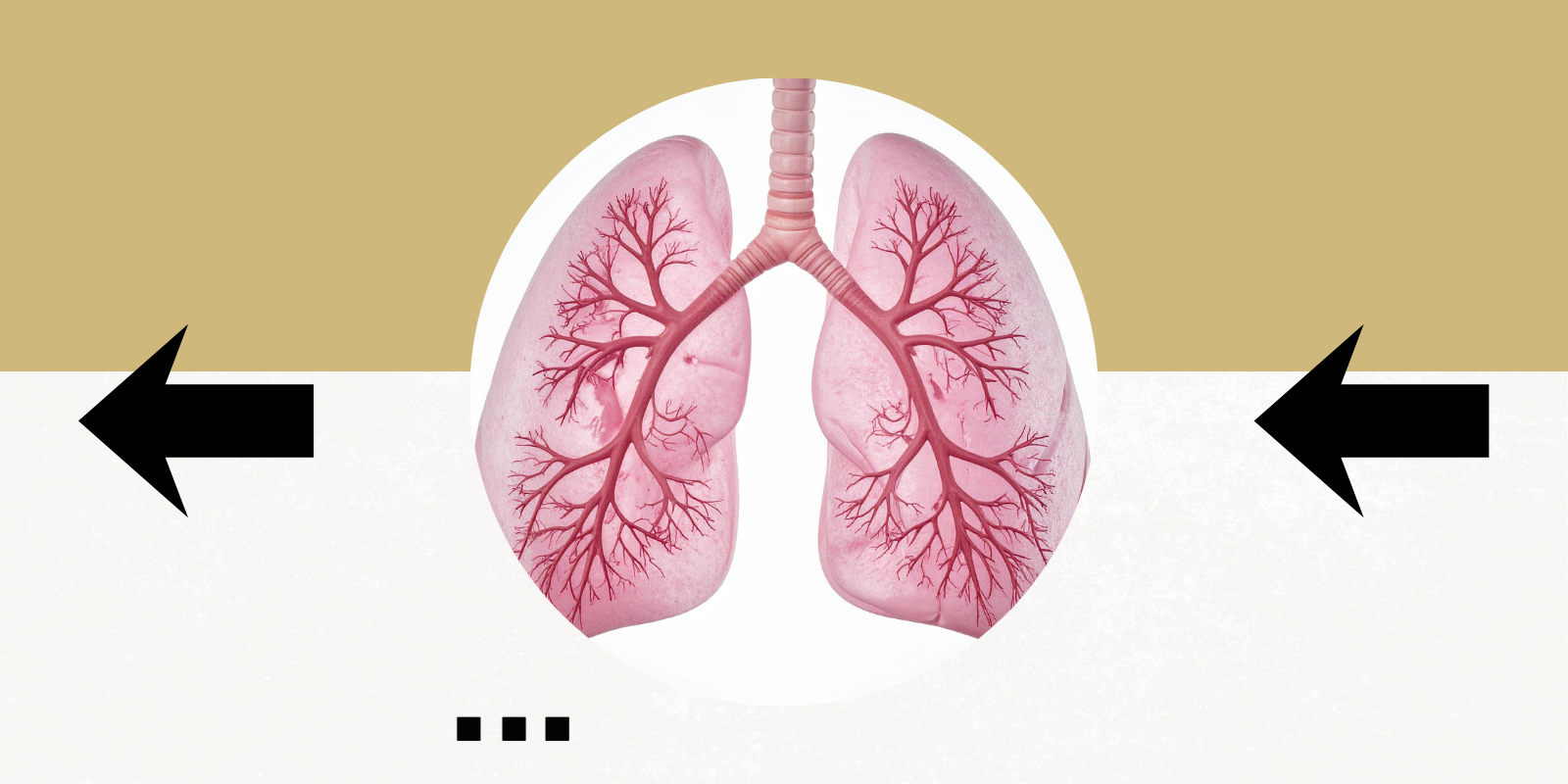
The aortic valve is the last valve as blood leaves the heart and goes into the aorta, the main artery in the body that delivers oxygenated blood to the circulatory system. This valve can develop problems where it is too tight, too leaky, or both. Performing aortic valve replacement robotically, through tiny incisions, avoids a sternotomy, or splitting the breastbone, and gives the surgeon better precision and visualization than a transcatheter aortic valve replacement (TAVR), another minimally invasive procedure.
“The exciting thing about this milestone is it builds on the platform of our other robotic heart valve procedures,” Rove says. “It's the same incision and robotic approach. It opens up the possibility of addressing multiple valves and atrial fibrillation during one robotic operation. It's an important step forward in the robotic program.”
Team win
Rove stresses that the milestone was a team achievement involving surgeons, cardiologists, advance practice providers, and the cardiac OR team.
“Our program has matured to the point that we felt confident in taking this next step,” Rove says. “We planned and prepared for this specific procedure. Then when the day came, everyone executed their part well. It went off flawlessly, and it was a great team win. As the next RAVR patients come forward, we all feel confident in being able to continue to provide good outcomes.”
Avoiding sternotomy
Though there will always be cardiac surgeries that require sternotomy, Rove says, the growth of robotic and other minimally invasive surgeries means many patients will be able to take advantage of approaches that require fewer blood transfusions and result in shorter hospital stays and faster recovery.
“Patients who have a robotic cardiac surgery have no restrictions afterward, whereas with sternotomy, they will have driving restrictions and lifting restrictions that last for over a month,” she says. “In addition to our patients who want to get back to their active lives faster, some of our patients are adults who may have less reserve to tolerate a large open operation. Those patients may benefit the most from getting a less invasive procedure. Being able to offer appropriate patients the option of a RAVR can make an important difference in their lives.”