
Pancreatic cysts can go undetected for years, causing symptoms only when they become cancerous and begin to grow.
Fortunately for Penny Lester, a retired grandmother who lives in Boulder, Colorado, her pancreatic cysts were detected early, during a CT scan for an unrelated medical issue. She was diagnosed with mixed intraductal papillary mucinous neoplasm (IPMN), a benign, precancerous cyst that has the potential to turn into pancreatic cancer.
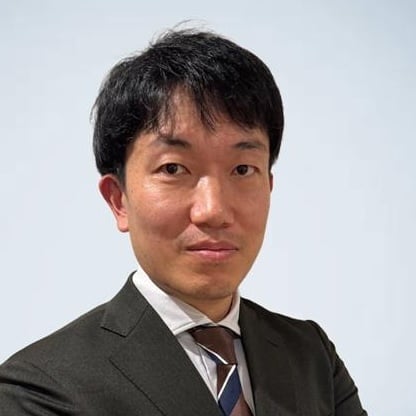
Lester’s doctor in Boulder monitored the cysts with yearly MRIs, seeing no change for nearly five years. Eventually, however, the cysts began to change in size, which is when Lester was referred to Atsushi Oba, MD, PhD, associate professor of surgical oncology in the University of Colorado Anschutz Department of Surgery.
“I met him, and he was just wonderful, really reassuring, kind, and intuitive,” says Lester, 79. “He seemed to know what I really wanted to know. He was very confident in his ability to take care of it. I was really concerned about what my life was going to be like afterward, but he said, ‘You'll just live your life. You'll be OK.’”
Robotic Whipple and intraoperative pancreatoscopy
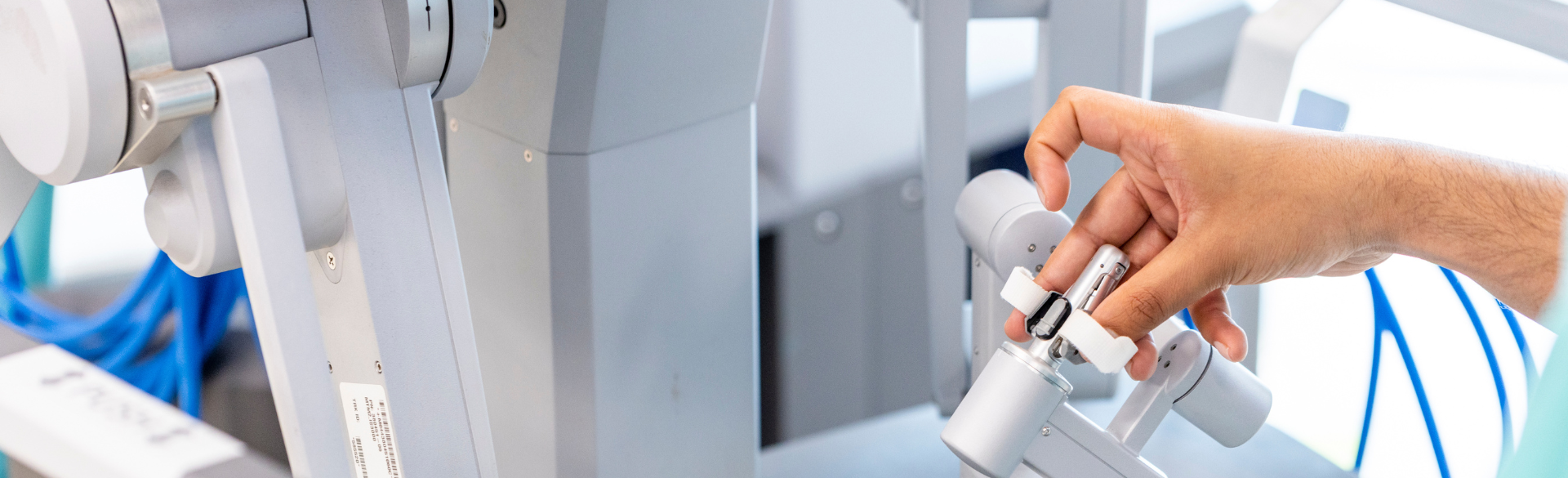
To remove the cysts before they became cancerous, Oba performed a robotic Whipple procedure — a specialized operation to remove the head of the pancreas, the duodenum, gallbladder, and bile duct, followed by reconstruction of the digestive tract. Because a robotic procedure uses smaller incisions and offers greater precision and visualization for the surgeon, it typically leads to a smoother and shorter recovery than a traditional open surgery.
“Our patient population is normally advanced cancer or malignancy cases, but not necessarily,” Oba says. “Sometimes we remove the cystic lesion to prevent pancreatic cancer from developing in the future, like in Penny’s case. These patients are good candidates for a robotic Whipple procedure because they often have a longer life expectancy after surgery. Preserving long-term quality of life is extremely important.”
In Lester’s case, Oba collaborated with GI specialists to perform intraoperative pancreatoscopy, allowing direct visualization of the pancreatic duct during surgery. By confirming the exact extent of high-grade dysplasia in real time, the team was able to precisely remove the precancerous lesion while preserving as much healthy pancreas as possible. This approach helped maximize preservation of pancreatic function including producing digestive enzymes and regulating blood sugar.
Faster recovery
Lester says her recovery was tough at first, with lots of fatigue and not much appetite, but after a month she was back to her regular activities, including teaching tai chi at her retirement community. She says she feels fortunate that her cysts were discovered incidentally and monitored carefully so they could be removed before they turned into cancer.
“I had no symptoms whatsoever — no pain, no anything,” she says. “If I hadn't had my surveillance MRIs, I might have pancreatic cancer by now. I feel like such a lucky person, and I don't want to waste days.”
High volume, high results
Oba emphasizes that expanding the robotic Whipple program is a top priority for the CU Anschutz Department of Surgery, and that high-volume, specialized centers like CU Anschutz, with its multidisciplinary focus, are recommended for such complex procedures.
“This is the perfect place for these operations, because we have excellent GI doctors, medical oncologists, pathologists, endoscopists, expert nurses, and radiologists,” he says. “In Penny’s case, collaboration with our GI team allowed us to use intraoperative pancreatoscopy to precisely define the extent of precancerous changes and preserve as much healthy pancreas as possible. These multidisciplinary collaborations improve both the safety of surgery and long-term quality of life for our patients.”
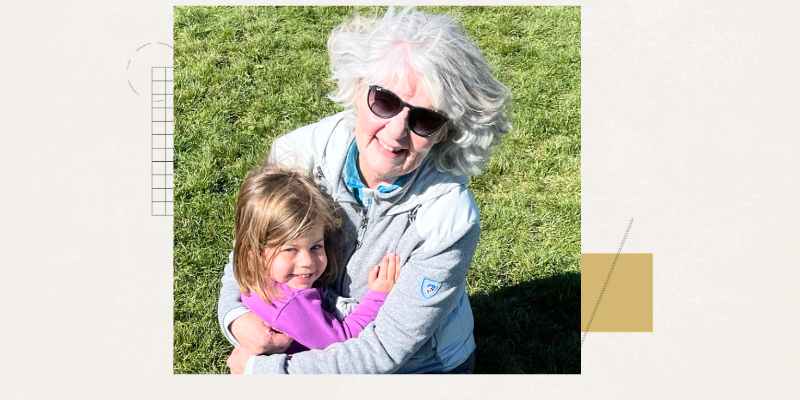
Featured image: Penny Lester with her granddaughter Ella.