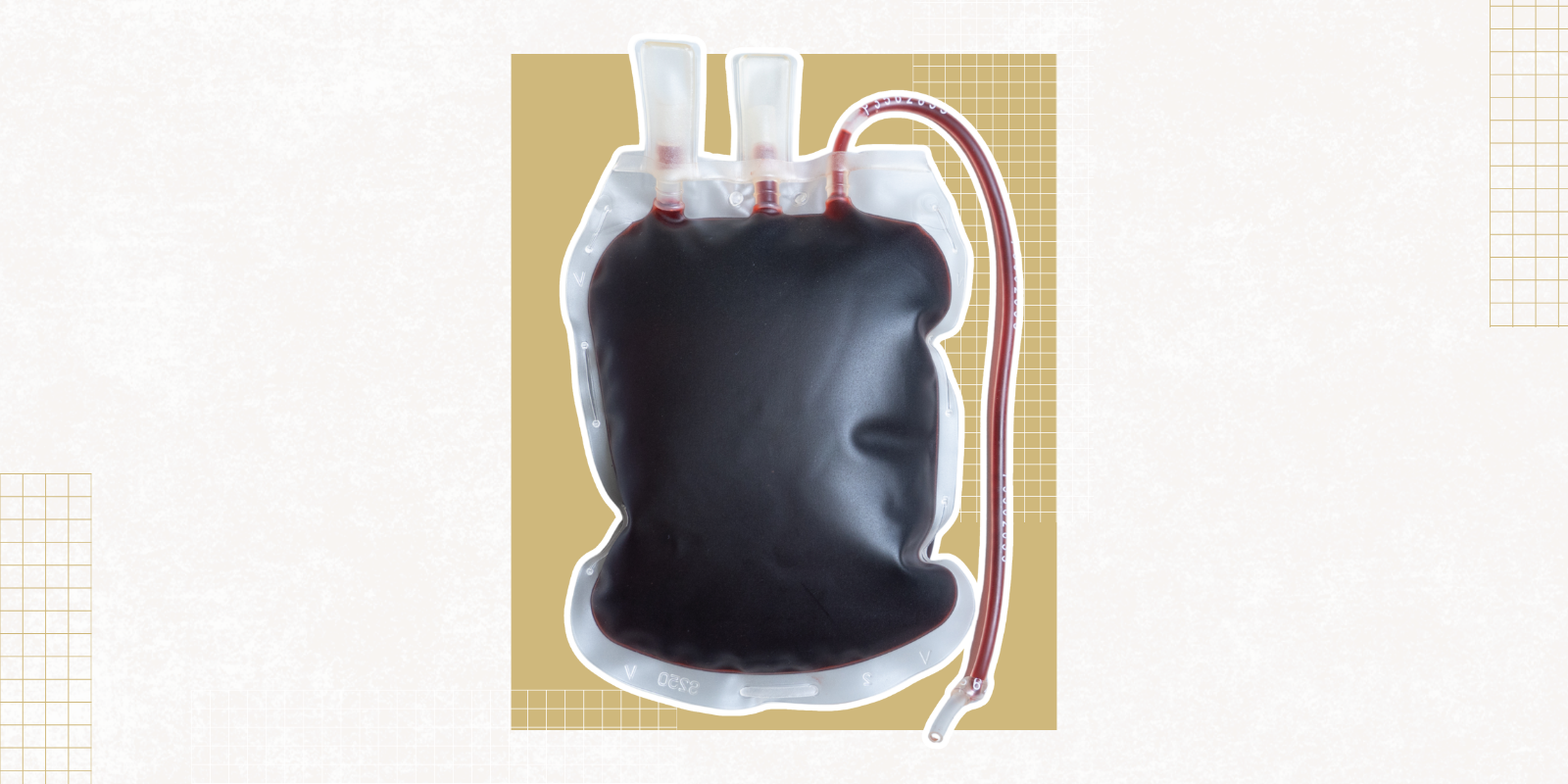
Bleeding is the main preventable cause of death after trauma, especially in the first 24 hours. To treat severe bleeding, trauma surgeons typically choose between transfusing whole blood or blood that has been separated in a lab into separate components such as plasma, red blood cells, and platelets.
Juan-Pablo Idrovo, MD, associate professor in the Division of GI, Trauma, and Endocrine Surgery in the University of Colorado Anschutz Department of Surgery, recently published research in the journal JAMA Surgery suggesting that giving whole-blood transfusions to adult trauma patients may have better outcomes than using component therapy.
Crunching the numbers
Looking at data from nearly 50,000 patients and the results of similar studies between 2006 and 2025, Idrovo found that using whole blood was associated with reduced 24-hour mortality in trauma patients by a “number needed to treat” factor that means using whole blood would prevent one early death in every 22 patients treated.
“Whole blood may have practical and biological advantages, but we didn’t have any recent published evidence to show that that was the case,” Idrovo says.
The research also showed lower 30-day mortality rates for whole blood, as well as the need for fewer transfused units overall, pointing to more efficient resuscitation and less resource use. The paper also found that the benefit of whole blood may be greater in patients with more severe injury or more penetrating trauma.
Data points
Many trauma surgeons have noticed a qualitative difference in outcomes when whole blood is used, Idrovo says, but having data showing the advantage may lead to studies by other researchers exploring why whole blood leads to better survival. It also may lead to trauma centers having more whole blood on hand.
“These kinds of studies help us change the hospital guidelines for resuscitation of trauma patients,” he says. “This data gives a green light to the hospital to obtain more whole blood, rather than component separation. As time goes by and we see more effects of this type of management, we will have even clearer conclusions.”
Making an impact
Published on March 11, the paper already is sparking discussion in the field and leading trauma surgeons at other institutions to begin the process of changing their guidelines for blood transfusions in trauma patients.
“In medicine, there are always two areas — the area of your experience and expertise and the area of evidence,” Idrovo says. “If you are a senior surgeon and you say, ‘In my experience, patients do better with whole blood,’ that’s not as convincing as doing the research and publishing in a peer-reviewed, high-impact journal.”