
<img height="1" width="1" style="display:none" src="https://www.facebook.com/tr?id=799546403794687&amp;ev=PageView&amp;noscript=1">

Understanding ‘Dry Drowning’ and the Importance of Water Safety

Drowning and the terms that surround the phenomenon can often be a spectrum, says emergency medicine associate professor Jean Hoffman, MD.

minute read

by Kara Mason | June 30, 2025
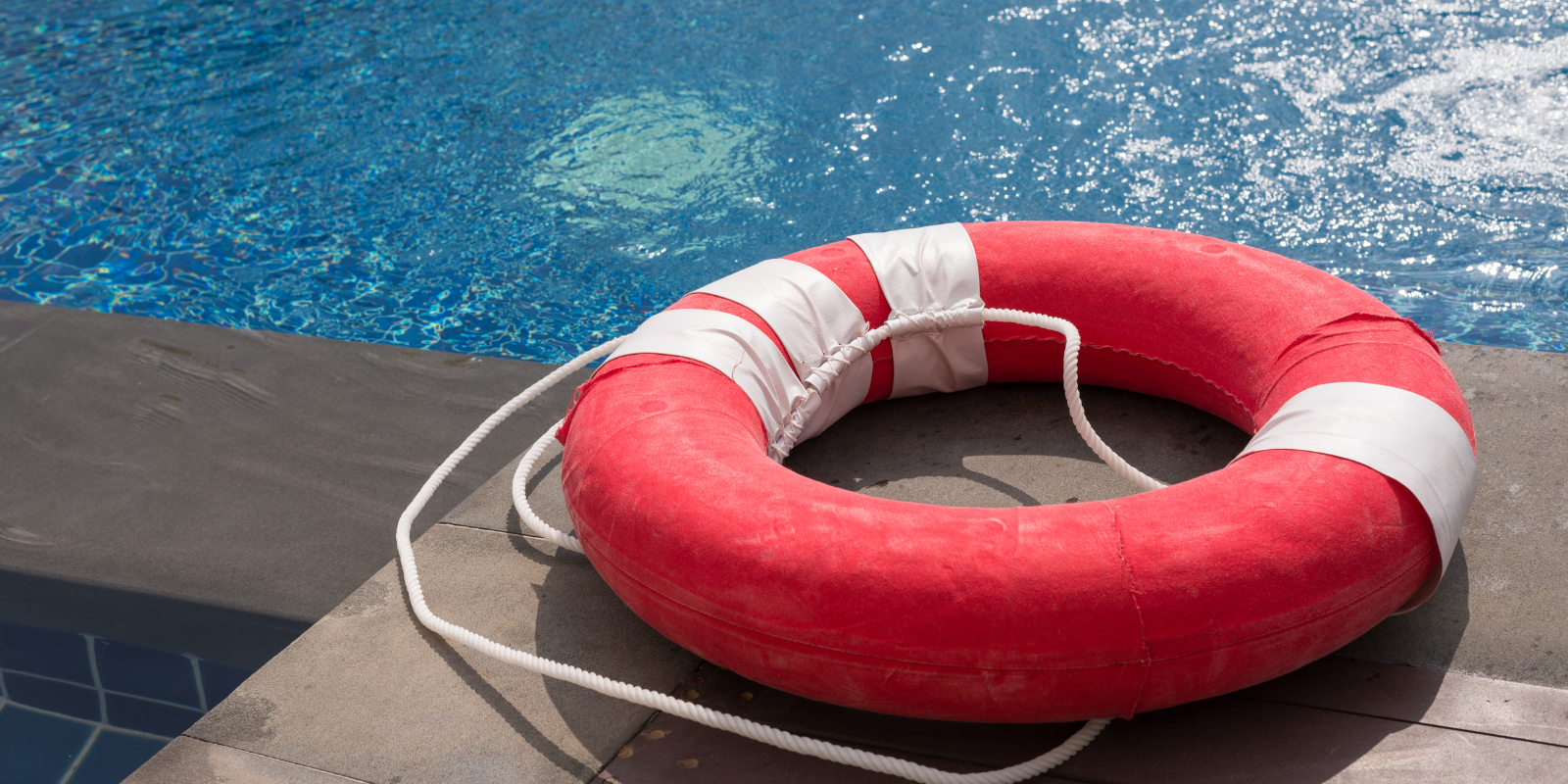
An orange life guard buoy ring sits on the edge of a swimming pool.

As the summer heats up and more families take to pools, lakes, and other bodies of water to cool off, reports of drowning tend to spike.

In addition to the more than 3,000 drowning deaths that happen each year, terms like “dry drowning” and “secondary drowning” continue to cling to parenting blogs, media reports, and other drowning discussions despite their misunderstanding.

Often, these terms, which aren’t recognized in medical literature, are nuanced and describe an event that isn’t a drowning, says Jean Hoffman, MD, associate professor of emergency medicine at the University of Colorado School of Medicine, so it’s important to know the difference and what may be causing symptoms.

“We can't always prevent a lot of conditions that come into our care in medicine, but drownings and conditions that are associated with water submersion can be prevented,” says Hoffman, who also worked as a lifeguard beginning in high school and up through medical school. “It’s so important to be on the preventative side of things. Talk to your kids, watch them closely, never leave them unattended.”

Hoffman discusses what sets drowning apart from other lung injuries that may occur in a submersion event and why prevention in every case is crucial.


Q&A Header

What exactly is and isn’t drowning?

There are a lot of terms that surround drowning. In a drowning, the person is submerged and they have a lack of oxygen. Drowning can happen so fast, and a lot of the time, especially for young children, it occurs in water that’s less than 3 or 4 feet deep. There’s also a misnomer that you’ll recognize a drowning when it’s happening. But unlike what you see on TV, it often involves little splashing. The person is usually in a vertical position and silent, which can make it even harder to notice they’re struggling.

We often hear of these other instances described as a “near-drowning,” and they may describe a situation where a person is submerged or partially submerged, and they’re pulled out quickly. It can be a bit of a spectrum with terms like “dry drowning” or “secondary drowning,” where there may be an acute lung injury caused by water aspiration, but these aren’t medical terms. “Dry drowning” is described in lay literature as a phenomenon where water is in the mouth or nose but doesn't cause water to enter the lungs due to laryngospasm. This occurs relatively quickly in relation to the submersion event. For "secondary drowning" it is described as a delayed reaction lungs have to inhaled water that disrupts their function and causes irritation. 

How do those acute lung injuries develop and what’s the timeline?

A lot of factors can determine this. For example, you can see pneumonitis or lung irritation from exposure to some types of water, like pond water. This could take several days to develop and would present with trouble breathing, fever, and cough similar to pneumonia 

We may also see pulmonary edema, which is caused by too much fluid in the lungs. This may take hours to develop, but you’re not going to see a considerable delay in symptoms.

Are there symptoms you should look for in instances where somebody is pulled from the water and they seem like they’re OK?

You want to observe their breathing and whether they’re breathing normally. Unless it’s a very small child, generally they will be able to say they don’t feel comfortable or they’re having trouble breathing.

When in doubt, it’s recommended to seek emergency care when you’re unsure of whether they are OK or not.

In any case, prevention is key. What else do you want people to know about water safety and avoiding situations where submersion may occur?

This is something everybody should be thinking about as we hit the pool or take the boat out on the lake. Parents should always monitor children around water. On boats, children should always wear life jackets, regardless of how good a swimmer they are.

Alcohol and water don’t mix and increase risk of drowning events.

Some recommendations suggest brightly colored swimsuits may help rescuers more easily locate a submerged person.  

In the event that a person slips underwater and remains there for a short amount of time, if there is any question about their health and safety, seek medical help. And in cases where you’re not sure how long they were underwater, it’s also a good idea to seek medical care.

Topics: Awareness

Featured Experts
Staff Mention

Jean Hoffman, MD