.png)
On March 16, eight Colorado psychology internship programs, including the Clinical Psychology Program at the University of Colorado School of Medicine and the Denver Health Doctoral Psychology Internship Program, collaboratively designed and hosted the “Advocacy at Work Symposium.” The full-day conference brought together more than 50 psychology interns and 40 faculty members to provide advocacy training and support for health service psychologists.
All participating Colorado internship programs gathered with a common goal: strengthening advocacy as a core component of professional identity in psychology. The eight programs included in this Symposium were Aurora Mental Health and Recovery, Children’s Hospital Colorado, Denver Health, Jefferson Center for Mental Health, Rocky Mountain Regional VA Medical Center, University of Colorado Boulder CAPS (Counseling and Psychiatric Services), University of Colorado, School of Medicine, and University of Denver Internship Consortium.
As psychology trainees increasingly call for advocacy skills to be recognized as integral to both professional identity and clinical competence, this all‑day workshop offered pivotal training and experiential learning opportunities for early‑career psychologists.
A “Win” for Psych Internships
Audrey Blakeley-Smith, Ph.D., Associate Professor in the Departments of Psychiatry and Pediatrics at the University of Colorado Anschutz School of Medicine and Training Director of the Psychology Internship in the CU Anschutz Department of Family Medicine, said the discussions and reflections she observed among interns were energizing and refreshing—especially as the workshop represents a “win” for the internship.
“This conference was a true ‘win’ because it directly responded to what our interns have been asking for: guidance on how to move from reflection to action. It was also a win in terms of partnership—having eight Denver-metro training programs align around the collective goal of supporting advocacy is truly inspiring. Our psychology interns are deeply committed to addressing inequity and want to know how to make a tangible difference in their everyday work as psychologists,” said Dr. Blakeley-Smith.
She added that Advocacy at Work was a collective response to that call. “The symposium created space to hear from members of our institution and community who are actively engaged in advocacy in their day‑to‑day lives. The role of a psychologist is multifaceted, and we wanted the symposium to reflect that. To me, the success of this event reflects our collective ability to listen, engage, and move from dialogue to real‑world impact.”
Advocacy in Action
The workshop consisted of breakout sessions and panel discussions with local experts in policy, research, clinical, and community settings—all spaces where psychologists work. Through Q&A sessions and topic discussions, the symposium fostered dialogue, innovation, and collaboration across training sites and disciplines. Sessions emphasized the use of psychological knowledge to build community partnerships, reduce health disparities, and advance systems‑level change.
One breakout session featured the Department of Family Medicine’s own Alex J. Reed, PsyD, Director of Behavioral Health Education and Associate Professor for the University of Colorado Anschutz Family Medicine Residency. Dr. Reed led a discussion on his collaboration with the locally inspired initiative, Project HairCare—a program that elevates the influential role that Black barbers and stylists have in supporting their communities and clients’ mental wellbeing. Dr. Reed shared powerful stories from shop operators and their clients, highlighting efforts to address barriers to mental health services and reduce the stigma surrounding mental illness in Black communities.
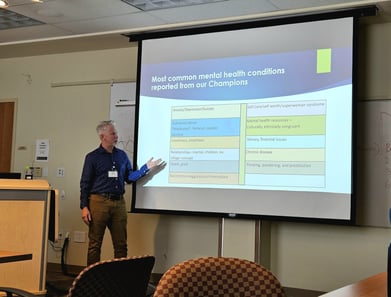
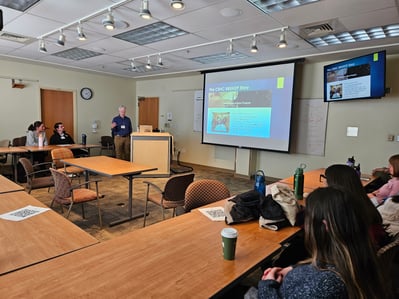
Dr. Reed enjoyed the workshop and his time with the interns. "I appreciated the great questions from the interns and loved the opportunity to share and learn different ways of engaging in advocacy as a psychologist.”
Workshop Reflections
Pre- and post- evaluations were conducted to assess the impact of the event. Evaluations from the 2026 symposium revealed substantial gains in advocacy preparedness and clarity, with the largest increase in interns reporting concrete strategies (rising from ~50% to over 90%). However, the numbers only tell part of the story—below are reflections from interns who attended the symposium.
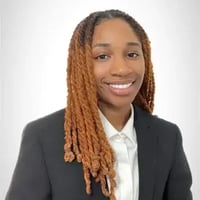
Taliyah Mosley, MEd, Psychology Intern, University of Colorado Anschutz School of Medicine, A.F. Williams Family Medicine - Central Park
-
What did you enjoy most about the workshop, and what did you gain from it?
“I always benefit from stepping outside my immediate educational or professional context and connecting with clinicians, scholars, and interdisciplinary thought partners to better understand how practice, research, and policy are carried out in environments I have not yet entered. It was inspiring, energizing, and a true honor to see how advocacy can be achieved as a psychologist. This experience was especially well timed, coinciding with the completion of a monumental milestone in my fellow interns’ and my own professional journey, as we bookend our doctoral degrees and enter the workforce as doctors.”
-
Why do you think it’s important for interns to attend these events and develop advocacy skills?
“Like many others, I did not have the opportunity for educational experiences that explored what advocacy may look as a psychologist, or the power we have to effect change at the individual, organizational, and institutional levels. However, I discovered my passion for policy research through exploring topics for my dissertation by attending small local conferences. It is important for interns to attend these events and develop advocacy-related skills, whether this is their first exposure, an opportunity to build foundational knowledge, or a chance to better understand the opportunities and networks available to those already engaged and interested in this work.”
 Vanessa Shapiro, M.S. Doctoral Psychology Intern, University of Colorado Anschutz School of Medicine, CU Medicine Family Medicine – Louisville.
-
What did you enjoy most about the workshop, and what did you gain from it?
“Attending this event helped me think more concretely about how advocacy fits into my clinical work and research, especially around stigma, culturally responsive care, and access to services. I most enjoyed the professional diversity of the panels. Hearing their varied perspectives made advocacy feel both accessible and actionable across career paths and stages.”
-
Why do you think it’s important for interns to attend these events and develop advocacy skills?
“Internship is a formative time as we transition into our professional identities. Building advocacy skills at this point in our careers, helps ensure our future work is clinically effective, equitable, and responsive to systemic concerns. I also believe these events build community among us interns!”
Making it all Happen
The CU Anschutz School of Medicine and Denver Health programs both received Health Resources and Services Administration Graduate Psychology Education grants that supported this event. These grants made it possible for the workshop to focus on teaching replicable strategies for fostering collaboration across psychology training programs and integrating advocacy skill development into health service psychology training to prepare the next generation of psychologists to lead disparity-driven systems change.
All-together, this was a truly educational and inspirational event. Thank you to all who participated.




-1.png)