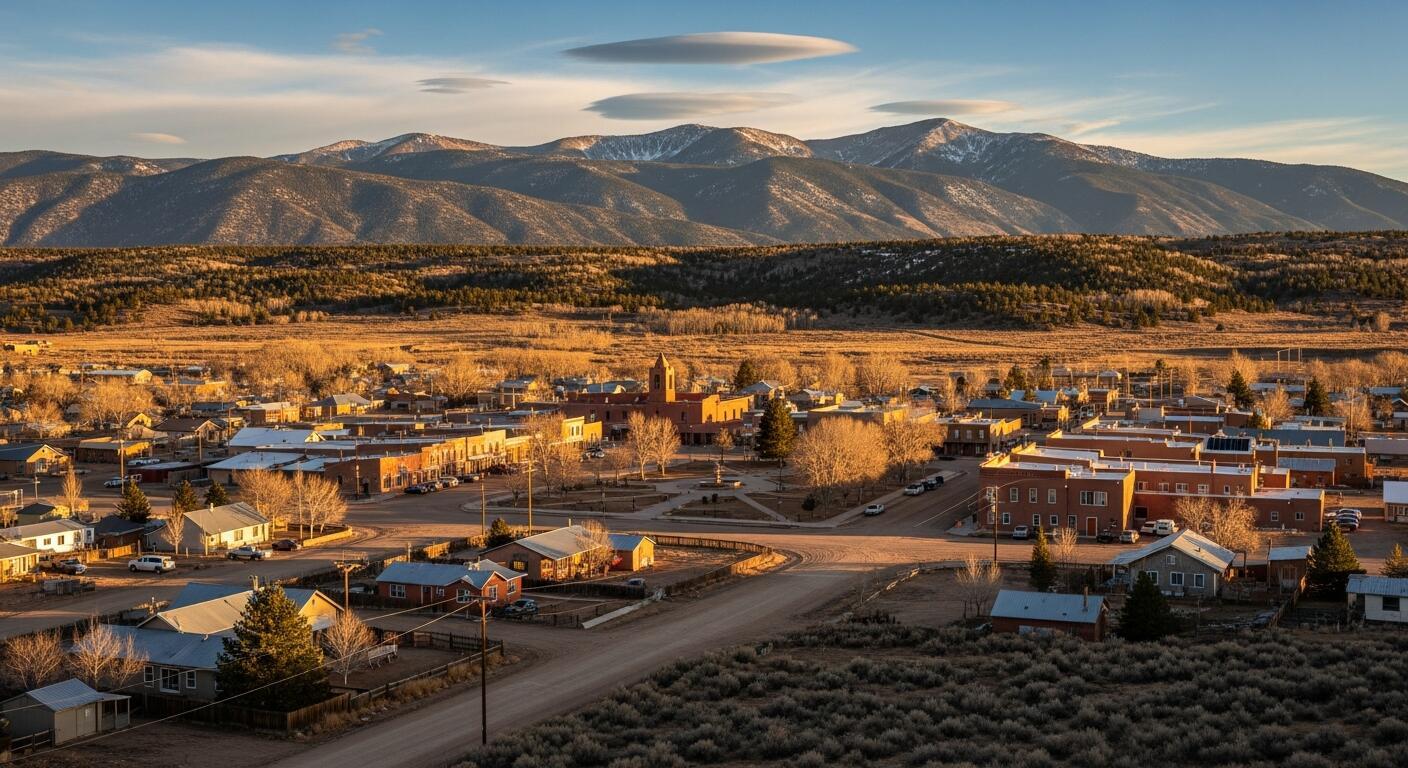
Nestled between majestic mountain peaks and the headwaters of the Rio Grande, the San Luis Valley is a beautiful, quiet home to many. However, like other rural regions in Colorado, access to addiction medicine can be limited—and in this Valley, the need is urgent. With the help of predecessors whose passion for addiction medicine care helped establish an innovative rural program, one fellow learned what it truly means to show up for a community in need.
When Michael Meeuwsen, MD, began the CU Anschutz Department of Family Medicine’s (DFM) new Rural Addiction Medicine Fellowship in October of 2025, his training stretched far beyond hospital walls, reaching into correctional facilities, rural clinics, and the everyday realities of patients working toward recovery.
“The most valuable lesson I’ve learned is the importance of human connection and reducing the stigma surrounding addiction,” said Dr. Meeuwsen. “Addiction can affect anyone, and people deserve compassionate, evidence-based care without judgment.”
With more than a decade serving rural communities in southwestern Colorado as a Family Medicine physician, joining the Fellowship as its first rural track fellow was an exciting opportunity for Dr. Meeuwsen.
Working alongside physicians and the San Luis Valley community, he found his experiences strengthened his passion for rural care, adding that his patients remind him of the importance of staying curious, listening, and building meaningful connections.
“The most meaningful part of this experience has been getting to know my patients and hearing their stories. Every person has a unique journey, and it has been incredibly rewarding to help people make healthier choices, regain hope, and work toward recovery.”
His experience reflects a broader effort within the DFM to bridge gaps in addiction care across rural Colorado—training physicians who are prepared, inspired, and motivated to continue serving where they are needed most.
“Seeing the positive impact that treatment can have on individuals, families, and entire communities has reinforced why this work is so important,” said Dr. Meeuwsen.
Inspiration For a Rural Track
With its six counties consistently ranked amongst the highest in overdose deaths rates in Colorado, Kaylin A Klie, MD, MA, FASAM—Program Director for the Addiction Medicine Fellowship and Associate Professor of Family Medicine at CU Anschutz—emphasized why the Valley was chosen for this new rural track.
“The San Luis Valley in southern Colorado experienced—and still experiences—an outsized impact from the multiple waves of the opioid and stimulant epidemics in our state. Despite having a disproportionate impact on the community, the San Luis Valley did not have adequate addiction medicine treatment resources to meet the needs of the people in the community.”
J. Ely Walker, MD, MPH, FASAM, Medical Director for the Rural Addiction Medicine Fellowship and Assistant Clinical Professor of Family Medicine at CU Anschutz admitted that although rural care isn’t easy, it’s the camaraderie and optimism of the people in these towns that make it a beacon of hope for future generations.
“The San Luis Valley reflects many of the challenges seen across rural America—geographic isolation, limited resources, and generational poverty that shapes health and recovery… At the same time, the San Luis Valley has extraordinary strengths. Rural communities often have deep relationships, resilience, and a strong sense of connection and responsibility toward one another. There are many organizations and individuals across the Valley who are deeply committed to improving the health of this community.”
Fueled by a growing need for addiction care in rural communities and supported by HRSA grant funding, the Fellowship officially launched as an ACGME-accredited program in July of last year.
“The rural track program was a long-time brainchild of myself, Dr. Walker, and Mark Deutchman, MD, FAAFP (Director of the Rural Program and Professor of Family Medicine at CU Anschutz),” said Dr. Klie. “We met over several years to imagine what the addiction treatment landscape in the San Luis Valley could look like—and how to integrate trainees as Dr. Walker built the treatment infrastructure in his community. Eventually, the only missing piece was funding, and the HRSA Addiction Fellowship Expansion Grant became available at just the right time.”
Dr. Walker, a former third-year medical student from the University of Colorado School of Medicine’s Rural Program, is passionate about this program, hoping it will mold other physicians the way this experience has for him.
“My rural training experience strongly influenced the design of this Fellowship. Rural medicine teaches adaptability, humility, resourcefulness, and systems-thinking. You quickly learn that caring for patients extends far beyond clinic walls or hospitals—you become invested in the health of an entire community. In many ways, this Fellowship aims to recreate for future physicians what rural training did for me: exposing them to the depth, complexity, and fulfillment of rural medicine—inspiring them to dedicate their careers to underserved communities.”
Making a Difference Through Patient Relationships
The Fellowship was created to help heal rural communities through an innovative structure, and Dr. Klie explained that integrating fellows into this evolving treatment landscape was a key driver behind the program’s creation.
Like other DFM fellowships, the program spans one year with two fellows as they split their time between the San Luis Valley and urban clinical settings. Along the way, they gain hands-on experience across rural clinics, hospitals, and community-based organizations—working alongside partners such as rehab centers in Alamosa’s Hope in the Valley (HITV).
Margaret J. Loewen, MD, MS, former Medical Director of HITV, taught and worked alongside Dr. Meeuwsen as he spent some of his rotation in their inpatient rehab center.
She emphasized the importance of this program incorporating inpatient rehab, as consistent, accessible care in rural environments, and proximity to providers can play a critical role in recovery.
“Most of our patients had not seen a medical provider for many years and often needed basic care after achieving sobriety,” said Dr. Loewen. “The time they spent in inpatient rehab allowed us to diagnose and treat urgent problems, while also helping them better understand their overall health.”
This kind of early intervention helps bridge the gap between inpatient and outpatient care—an approach strengthened by the unique role fellows play in maintaining continuity with their patients.
An important relationship that Dr. Klie emphasized aids in compassionate care, “The beauty of addiction medicine fellows is that they can often follow up with patients after discharge in clinic, providing a high level of continuity of care.”
Although Dr. Loewen’s teaching time was short with the program, she admired the work of the Fellowship and model of care provided to their patients.
“I was honored to be invited to host fellows becoming specialists in rural addiction medicine,” said Dr. Loewen. “The inpatient model of care that includes medical services is powerful in its ability to support the changes that people with addictions need to make. The skills that are taught by their group and individual counselors as well as the relationships they develop with their peers in recovery will help them become more successful in their quest for a sober life.”
Celebrating a Milestone
As the Rural Addiction Medicine Fellowship enters the eve of its one-year anniversary, Dr. Walker was asked what was most inspiring about the program’s success thus far—he pointed to the support behind it.
“Honestly, the most inspiring part has been seeing how many people and organizations truly believe this is possible and worth investing in. Building new programs in rural healthcare can feel daunting because the needs are so great and resources are often limited. But throughout this process, we’ve encountered physicians, nurses, behavioral health providers, hospital leaders, EMS professionals, recovery organizations, and community members who all genuinely want to be part of creating something better for rural Colorado.”
That commitment and support from the community continues to shape the Fellowship, not just as a training program, but as a growing effort to expand access to care and support recovery across rural Colorado—possible through the support and work of fellows.
“I think there is a growing recognition across the San Luis Valley that substance use disorders touch nearly every aspect of healthcare and community life, and that no single organization can effectively address these challenges alone. One of the most exciting aspects of this Fellowship is its ability to help break down silos of care that often exist between hospitals, clinics, behavioral health organizations, recovery programs, EMS, residential treatment facilities, and community agencies…The fellows themselves become a bridge between these systems.”
Looking Ahead
For Dr. Meeuwsen, his time in the program continues with curiosity and connection. As the program’s first fellow, he encourages those who follow to immerse themselves in the community, to listen deeply, stay open, and continually seek opportunities to learn and grow.
“For anyone considering this field, my advice is to stay curious and never stop learning. My interest in addiction medicine grew through podcasts, educational resources, and listening to the experiences of others—and I quickly discovered there is always more to learn. The more you listen to patients, colleagues, and communities, the more you realize the profound difference compassionate care can make in someone’s life.”
In places like the San Luis Valley, where care can be more challenging to access but the need is deeply felt, compassionate care and relationships carry an even greater weight. The commitment to rural care merging with dedication to addiction medicine, created a powerful program for the future health of the Valley. It’s a program, but it’s also more than that, it’s a pathway for physicians like Dr. Meeuwsen—and the ones to follow—to learn, to serve, and to help ensure that recovery and care are never too far out of reach.
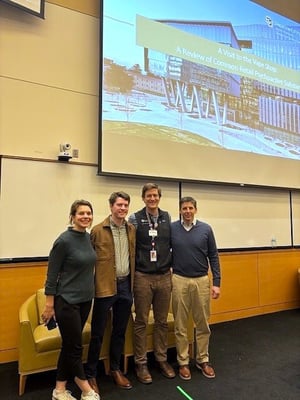
Dr. Meeuwsen pictured with other Addiction Medicine fellows at the Dept of Psych Grand Rounds earlier this year.
(Left to right: Alyssa Hill, MD, Addiction Med. Fellow; Matt Kubicki, MD, Addiction Psych Fellow; Jacob Weiss, MD Addiction Med. Fellow; and Michael Meeuwsen, MD, Rural Track Addiction Med. Fellow. Picture courtesy of Dr. Kaylin Klie.)
-1.png)