
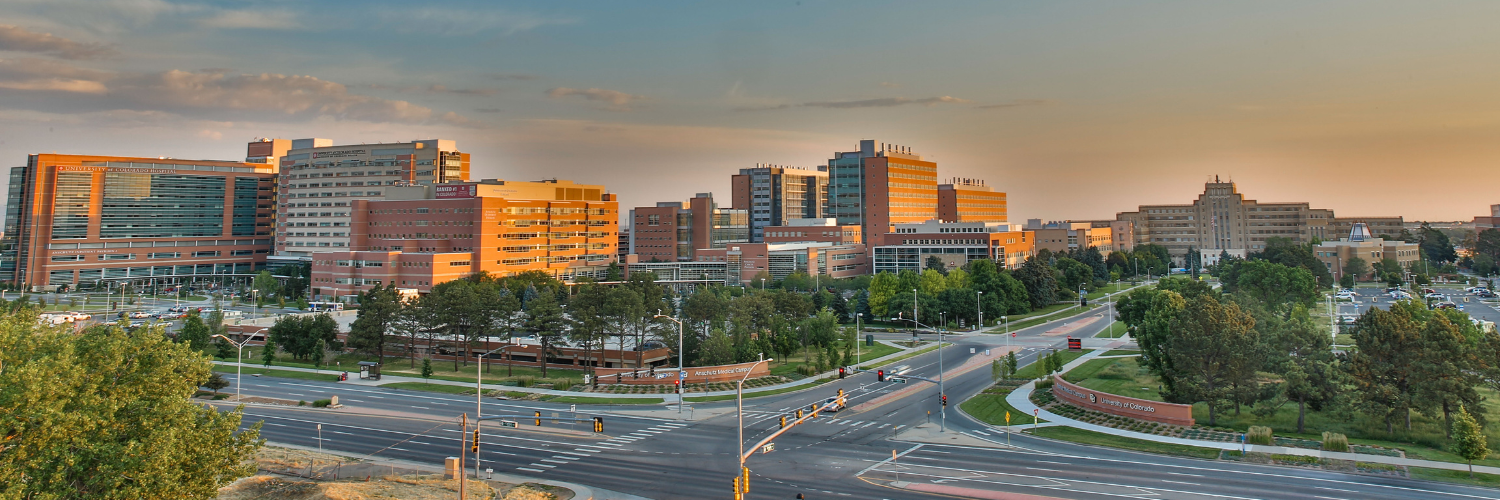
The Master of Science in Biomedical Sciences and Biotechnology (BSBT) program at the University of Colorado Anschutz has continued to expand its offerings and furthered its progress toward becoming a new program incubator. Its newest track, Personalized Medicine and Health Informatics (PMHI), has begun taking applicants and will have its first students enrolling in the fall of 2026.
“No single training pathway fits every student or career goal. Our track system ensures that all students develop a strong foundational skillset through a shared core curriculum while also providing them with the flexibility to tailor their training for meaningful professional growth,” Dr. Heather Brechbuhl, program director for BSBT, said.
According to its webpage, the PMHI track aims to “provide students with the knowledge and skills necessary to enhance personalized care and advance research in translational arenas that move scientific discovery into the clinical care setting.” Notably, this new track incorporates courses from the fully online Personalized & Genomic Medicine Graduate Certificate (PMED) program.
“There's a lot of interest in personalized medicine education across different groups of potential learners,” Dr. Ivana Yang, assistant track director of BSBT-PMHI and co-director of PMED, said. “We wanted to join forces with BSBT in terms of coursework, and we’re hoping this is a good partnership. Eventually, we might be able to get our own master’s, but for now a track is perfect.”
Students who have already completed or are currently pursuing the PMED certificate will be able to transfer those credits into the BSBT program, creating a natural progression in a student’s graduate education.
Yang said there are several primary learning goals in the curriculum, including integrating different omics technologies to understand human health.
“There are a couple courses that cover clinical informatics, which is an exciting field that we’re trying to build on campus,” Yang said.
In addition, students will also complete a capstone course and an internship where they can apply the knowledge they’ve learned in the program. The internship will be able to be done either in person or online, with Yang particularly excited about potential remote opportunities.
“The mission of the BSBT program is to develop a workforce of STEM leaders with the scientific expertise, technical proficiency, project management, and communication skills to drive innovation across biomedical sciences and biotechnology,” Brechbuhl said. “The PMHI track fits into the broader learning goals of BSBT by equipping students with the essential skills required to work effectively with clinical and biomedical datasets.”
Both Brechbuhl and Yang hope the program will appeal to healthcare professionals as well as researchers. Traditionally, the PMED program has been a hit with clinicians who want to incorporate personalized medicine into their practices.
“On the research side, it’s translational and clinical researchers or recent graduates who might want to apply to a genetics and genomics PhD program like Human Medical Genetics and Genomics on campus. I think this is a really good steppingstone,” Yang said. “It's definitely a different set of learners from who we've captured in the past with the certificate, so I'm excited to work with this group and see how things go in terms of merging the two.”
New domestic students who wish to start in the fall will be able to apply to the program through May 1, and international applicants will need to apply by March 15.