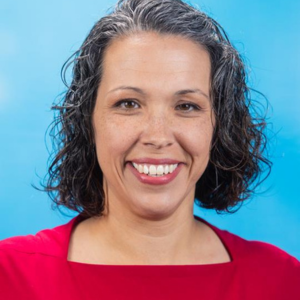
Kristina Wilson, MD, MPH, FAAP, associate professor of clinical practice in orthopedics and medical director of the Sports Medicine Center at Children’s Hospital Colorado, has been named a fellow for the 2025-26 class of the National Academy of Medicine’s State Health Policy Fellowship program.
The program, a pilot in its second year, chose fellows from five states to spend a year working in legislative and executive branch offices where they help develop and implement state health policies and programs. Wilson is the second faculty member from the University of Colorado Anschutz School of Medicine to be selected for the fellowship program. Faculty from the Eugene S. Farley Jr. Health Policy Center had a formative role in developing the fellowship and continue to advise the NAM and fellows in shaping this leadership program, as well as hosting the fellows when they visit Colorado.
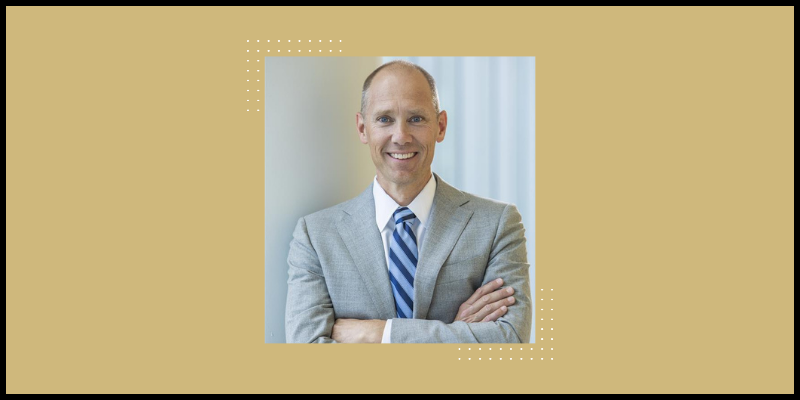
“These fellows represent the best of what this program has to offer: talented professionals eager to bring their knowledge into the state policy arena and learn from the experience,” Gregg Margolis, director of the NAM’s Health Policy Fellowships and Leadership Programs, said in a statement. “Their work this year will show how meaningful it is when health experts and policymakers collaborate closely at the state level.”
‘A strong pulse on the community’
The program’s fellows represent a variety of experiences and specialties. Wilson, who mostly works with a pediatric patient population, says her work has served as a foundation for the policymaking and political process in many ways.
“Sports medicine is a very community-driven practice. I am out at football games during football season for the high schools every Thursday and Friday night usually for a 10- to 14-week period, depending on how deep our teams go into playoffs,” Wilson said. “We as sports medicine physicians have a strong pulse on the community.”
During her fellowship training after residency and medical school, Wilson says she realized there was a lot she could offer to policymakers to help them understand how their decisions affect the patients she sees every day. During training in Arizona, she split her time between clinic work and advocacy. Testifying at the state legislature and providing objective policy analysis has always been part of Wilson’s mission as a physician.
“I’m a big proponent of looking at sports medicine from a public health lens,” said Wilson, who has a master’s degree in public health. “I look at sports medicine as an opportunity to spend time with kids in clinic every day, helping them find why they love moving their body and being physically active. That’s something that will hopefully serve them all throughout their life.”
The role of state government
State policymaking intersects with human health and medicine in a bevy of ways, whether it’s finding a place in a balanced budget for free school lunches or analyzing changes in federal programs that impact state resources.
“State policies play increasingly important roles in determining health care and health for local populations. These fellows are stepping into a vital position at that intersection of health and policy,” Victor J. Dzau, the NAM’s president, said in a statement. “Their leadership and dedication will serve their host states and demonstrate the power of preparing health professionals to influence state policy in ways that touch millions of lives.”
Another goal of the program is to train fellows to help teach their colleagues about the state policymaking and political process. As alumni of the NAM’s Health Policy Fellowship program, the chosen fellows will continue to help build a community of physicians and health care workers who understand policy, the political process, and how to apply their expertise in objective and beneficial ways.
“There’s a huge opportunity for knowledgeable people in health care to engage with the policymaking process, to provide important data, and to offer expertise that supports decisions that enhance health,” Wilson said. “We have voices that should be heard.”