What are weighted blankets, and why are they popular?
Mullin: Weighted blankets are designed to apply pressure to the body, to simulate the feeling of being hugged or held. The blankets can weigh anywhere from 5 to 30 pounds and can be filled with tiny pellets made of glass or plastic. They are marketed as sleep aids and are thought to reduce anxiety.
I haven’t seen blankets used much by children with chronic anxiety, which is the group I work with more often. But personally, I can understand the appeal – having a heavy blanket can make you feel more grounded and safe. There’s no scientific explanation I can offer for that, though we do know touch itself has clear physiological benefits. While a weighted blanket isn’t human touch, the steady pressure might mimic some of the calming effects that touch provides.
Why is touch so important?
Mullin: Touch is such a fundamental part of how humans experience care and security. I’m not sure we fully understand the exact mechanism behind why a heavier blanket feels calming. It’s such an individual experience that I wouldn’t want to speculate too much. Weighted blankets have been discussed more in relation to children on the autism spectrum, who often have strong sensory sensitivities. For them, the weight can feel regulating and soothing.
Why did the nurses at Children’s Hospital want to do an intervention with weighted blankets?
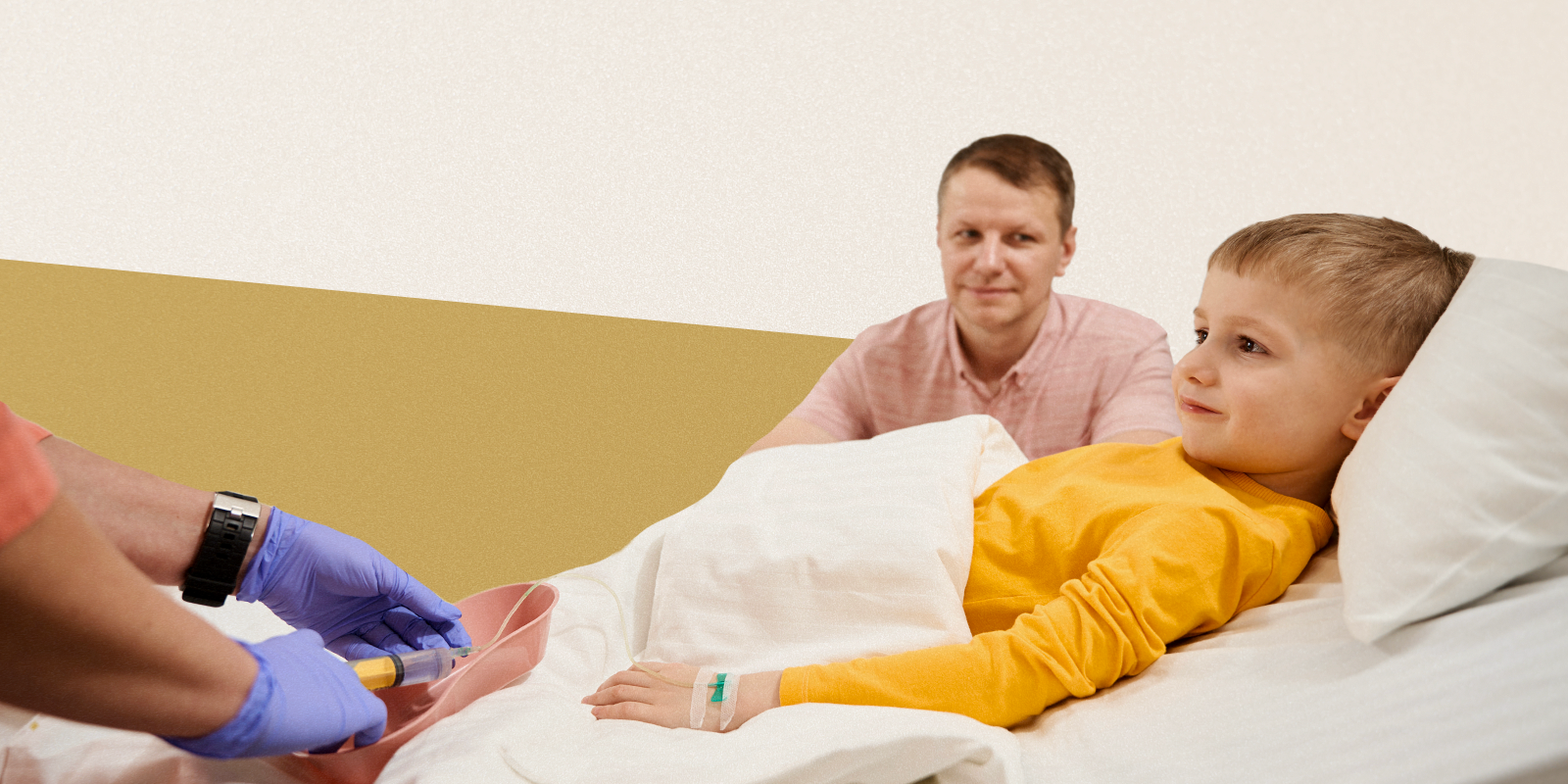
Loresto: You can imagine how frightening being sick and receiving a cancer diagnosis is for the kids. They’ve already been in the hospital and now they have to come to the clinic regularly for treatment. On top of that, they need to have a PICC line (peripherally inserted central catheter) placed for medication access, and that line must be accessed each time they come in. In situations where the medication doesn’t feel good, it’s easy to imagine that anxiety levels can be very high.
How was this study designed?
Loresto: Overall, the motivation behind the study was to provide support and practical interventions that could improve the care experience for these children. The project was fully nurse-led, which was notable since such rigorous research designs are often physician-driven.
The study was designed as a crossover randomized controlled trial, meaning participants received the intervention (a weighted blanket) on one visit and not on the next, switching roles each time. This approach allowed each participant to serve as their own control while also enabling comparisons between groups – providing a stronger way to evaluate the blanket’s impact.
They began enrolling participants in late 2021, ultimately recruiting 26 children. At the child’s first chemotherapy visit, we would explain the study and obtain consent. Then we would test them in their second and third sessions.
What were the findings?
The findings were published in the Journal of Pediatric Oncology Nursing. Our results showed that most anxiety reduction came from general nursing care before and after the chemotherapy visit. There wasn’t a significant difference between children who had weighted blankets and those who didn’t at the first visit.
However, we observed something interesting: For children who didn’t receive a weighted blanket during their first visit, introducing the blanket in their second visit had a greater impact on reducing anxiety. Essentially, those who received the blanket later experienced a larger drop in anxiety compared to those who had it from the start.
What else would you like to include about the study?
Loresto: So the patients mainly see a nurse in the infusion center. When we looked at the results, the biggest drop in anxiety happened between before and after the start of the infusion. My sense is that this might have a lot to do with the nurses themselves. In that unit, they’re very intentional about how they interact with patients – using active listening, individualized communication and creating a genuinely comforting presence.
We wanted to highlight those results and share them with the nurses to give them a sense of pride in their everyday work, because that intentional connection really matters. In a time when loneliness is so common, those small, thoughtful interactions stand out. Seeing that reflected in the data felt meaningful and worth recognizing.
Any additional thoughts on weighted blankets?
Mullin: Weighted blankets are low-hanging fruit. There’s no reason people shouldn’t try one, whether it’s to sleep better, prepare for a procedure or just feel more comfortable. If it helps you relax or fall asleep – or even get ready for something stressful like chemotherapy – it seems like a simple thing you can try. It’s not a cure-all for kids with chronic anxiety, but it could be one small, helpful piece of the puzzle.
What are science-backed tips for helping kids manage episodic anxiety?
Benjamin Mullin, PhD: The two relaxation techniques we use most often are diaphragmatic breathing and progressive muscle relaxation. When we breathe from our diaphragm, parasympathetic nervous system activity is boosted and helps the body calm down.
Progressive muscle relaxation helps people notice where they hold tension by tensing and releasing different muscles. It not only builds awareness of physical sensations but also teaches how to truly let muscles relax instead of staying in a constant state of contraction.
With kids, we also help them use visual imagery – or what we call the “relaxation channel.” It’s all about imagining the most relaxing place, then focusing on all the sensory details, such as the warmth of the sun, feel of the sand or sound of the wind. It can be helpful when feeling anxious or unable to sleep. When combined with the breathing exercises, it can help mentally “change the channel.”