
13001 East 17th Place
Aurora, CO 80045



What is blood sugar?
Blood glucose, also known as blood sugar, is a primary source of energy for the body. When you eat carbohydrates, your body breaks them down into glucose. As glucose enters the bloodstream and blood glucose levels rise, the pancreas releases insulin. Insulin is a hormone that helps glucose enter your cells to be used for energy.
For people with diabetes, the body may not make enough insulin, use insulin effectively or both. When someone with diabetes isn’t receiving proper treatment, they can have too much sugar in their blood, which is called hyperglycemia. Hypoglycemia is when there is too little sugar in the blood.
Working with your healthcare team to understand how to best manage blood sugar levels is an important part of diabetes care.
How do you know when your blood sugar is low?
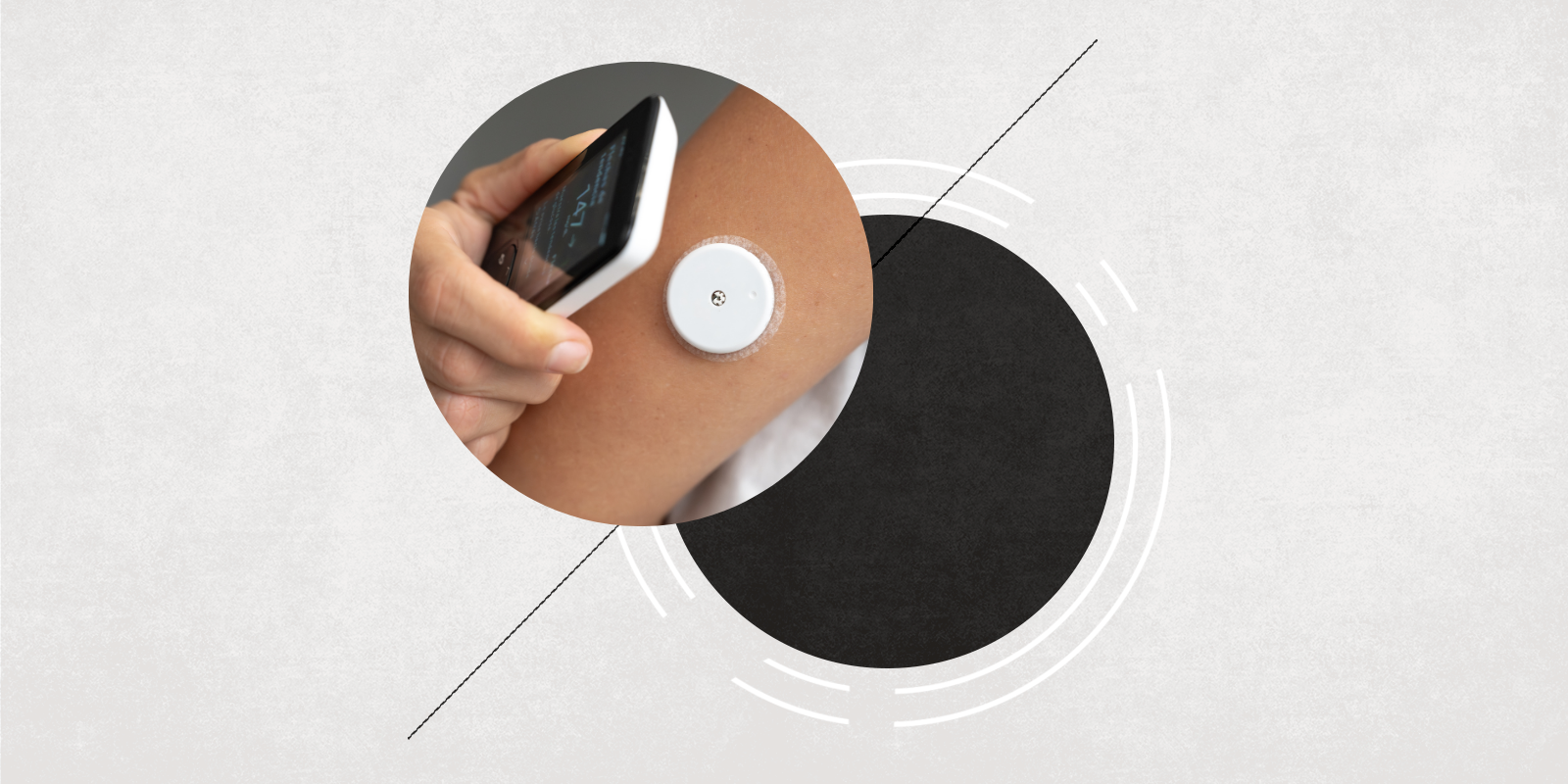
The most accurate way to test your blood sugar levels is to use a blood glucose meter or continuous glucose monitor (CGM). For most people with diabetes, a reading below 70 mg/dL is considered low. Talk with your healthcare team to know what levels are considered low for you, as the individual targets can vary.
Low blood sugar can come on quickly, and people can experience it differently. Physical symptoms can provide an important warning. However, some people develop hypoglycemia unawareness, meaning they have few or no noticeable symptoms even when their blood glucose is low. Hypoglycemia may also occur at night while sleeping, making symptoms unnoticeable.
When low blood sugar is an emergency:
If the person can’t safely swallow, do not give food or drink by mouth.
Use glucagon medications if they are available, and you know how to use them.
Call 911 if glucagon is not available, or you don’t know how to administer it.
What are the physical symptoms of hypoglycemia?
Common symptoms of hypoglycemia include:
Shakiness
Sweating
Hunger
Dizziness or lightheadedness
A fast heartbeat
Nervousness or anxiety
Irritability
Confusion
Weakness
As blood sugar falls further, symptoms can become more serious. A person may have difficulty walking or seeing clearly, or may behave unusually, experience seizures or lose consciousness. Because symptoms vary from person to person, learning your own early warning signs is an important part of diabetes management.
What does it mean when blood sugar is low?
Hypoglycemia occurs when the amount of glucose circulating in the blood drops below a healthy level. Low blood sugar can have several causes for people with diabetes, including:
A blood glucose reading below 70 mg/dL should generally be treated promptly. A reading below 54 mg/dL represents a serious level of hypoglycemia. Severe hypoglycemia can impair a person's ability to think or control their body and may require treatment provided by another person.
Talk to your healthcare team if you have frequent episodes of low blood sugar. You may need to change your medication, meal timing, physical activity or another part of your diabetes management plan.
Low blood sugar at a glance:
Below 70 mg/dL: Blood glucose is generally considered low for people with diabetes.
Below 54 mg/dL: Blood glucose is at a serious level of hypoglycemia.
15-15 rule: Consume 15 grams of fast-acting carbohydrates, wait 15 minutes and check blood glucose again. Repeat the process if needed.
What is the fastest way to raise blood sugar?
If someone with hypoglycemia is conscious and able to swallow, fast-acting carbohydrates are recommended for treating low blood sugar. Consider the 15-15 rule: Eat or drink 15 grams of fast-acting carbohydrates; then wait 15 minutes and check your blood sugar again. If it is still below 70 mg/dL, repeat the process.
Fast-acting carbohydrates include:
Foods that are high in fat or fiber aren’t the best choice for correcting low blood sugar because they can slow down absorption.
Once blood sugar levels are back within the person’s target range, eat a snack or meal that contains carbohydrates and protein. Individual treatment recommendations can differ, including for people using automated insulin delivery systems, so patients should follow the plan established with their healthcare team.
When is low blood sugar an emergency?
Severe hypoglycemia requires immediate attention. If a person is confused to the point that they can’t safely treat themselves or can’t swallow, or if they have a seizure or become unconscious, they should not be given food or drink by mouth.
Glucagon medications, such as injections or nasal sprays, are used to treat severe hypoglycemia when a person cannot safely consume carbohydrates. Call 911 if someone is unconscious and glucagon injections or nasal spray isn't available.
People at risk of severe hypoglycemia should talk with their healthcare team about whether they should have glucagon tablets, injections or nasal sprays available and make sure family members, friends or caregivers know how and when to use it.
Key points:
Blood glucose, or blood sugar, is an important source of energy for the body's cells.
For most people with diabetes, blood glucose below 70 mg/dL is considered low; individual targets may vary.
Symptoms can include shakiness, sweating, hunger, dizziness, a fast heartbeat, irritability, confusion and weakness.
When a person is conscious and able to swallow, the 15-15 rule can be used to treat low blood sugar with fast-acting carbohydrates.
Severe hypoglycemia can cause seizures or loss of consciousness and may require glucagon and emergency medical care.
Sources:
Low Blood Glucose (Hypoglycemia) (American Diabetes Association)
Low Blood Sugar (Hypoglycemia) (Centers for Disease Control and Prevention)
Severe Hypoglycemia (Severe Low Blood Glucose) (American Diabetes Association)
Treatment of Low Blood Sugar (Hypoglycemia) (Centers for Disease Control and Prevention)
Editor’s note: The information provided is for informational purposes only and is not intended as medical advice. Please consult your doctor or another qualified healthcare professional for guidance about your specific health needs.

13001 East 17th Place
Aurora, CO 80045