<img height="1" width="1" style="display:none" src="https://www.facebook.com/tr?id=799546403794687&amp;ev=PageView&amp;noscript=1">

The Underappreciated Benefits of GLP-1 Receptor Agonists

Data indicate the popular drug’s benefits go beyond weight loss to protect the heart and kidneys, suggesting we rethink their use

minute read

by Carie Behounek | November 3, 2025
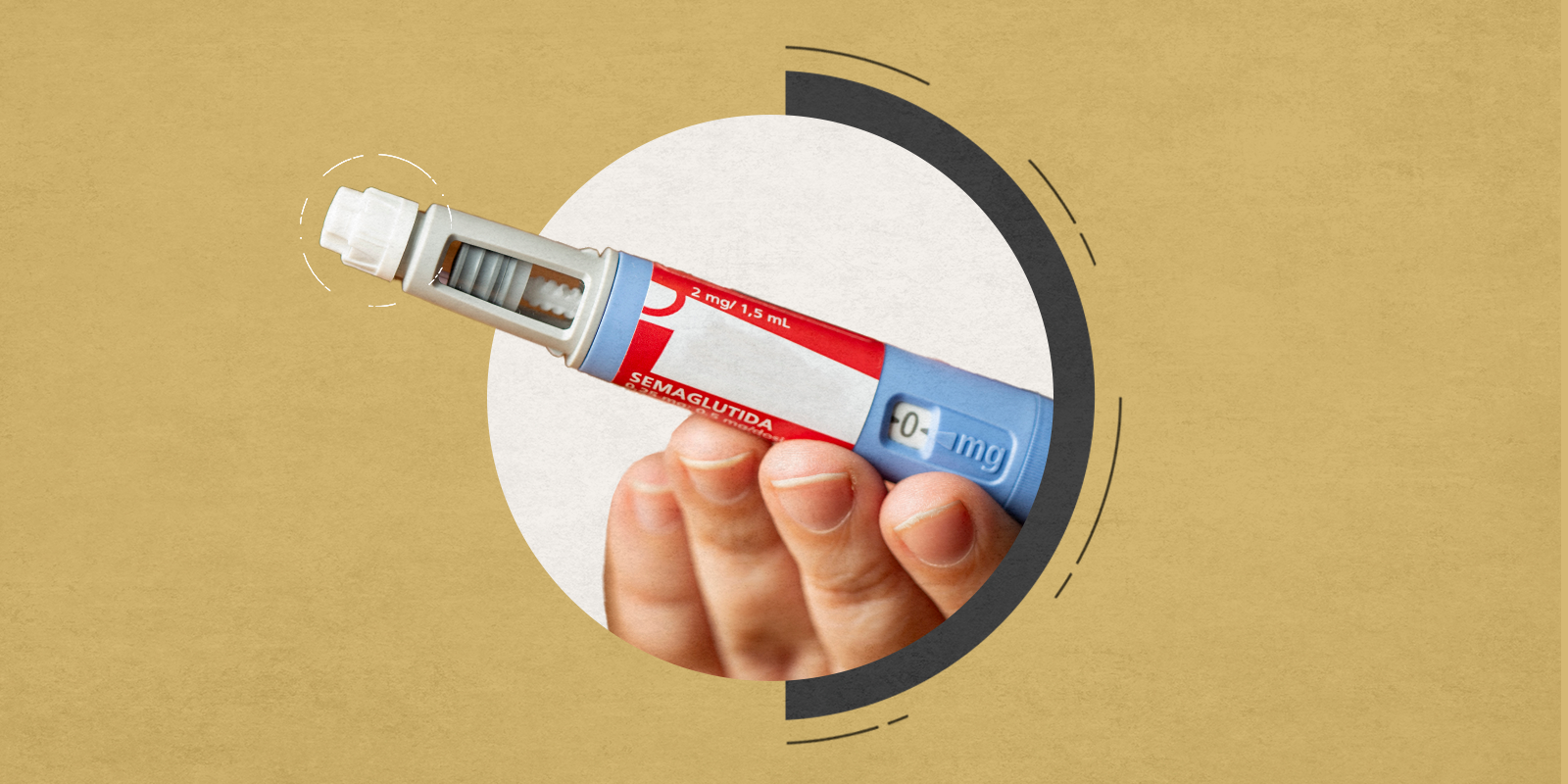
A hand holds an injectable GLP-1 receptor agonist called semaglutide.

They’ve been popularized for helping people lose weight. Now, obesity experts are challenging us to pay closer attention to the data surrounding GLP-1 receptor agonists and how they protect the heart, kidneys and liver.

It’s easy to assume that weight loss alone is the reason for the cardiovascular and cardiorenal benefits seen in patients taking this class of drugs, originally prescribed for diabetes management. Obesity expert Robert Eckel, MD, said he was biased to think that losing weight would explain 80-90% of the improved cardiorenal outcomes.

“The evidence is mounting to show that even people who don’t experience weight loss can see benefits related to the heart, kidney and even the liver,” said Eckel, professor emeritus in the Division of Endocrinology, Metabolism and Diabetes and Division of Cardiology at CU Anschutz.

The findings suggest the need to reexamine how GLP-1 medications are prescribed and how accessible they are to patients, Eckel said. In this Q&A, he discusses a recent editorial he co-authored about the broader role of these drugs. 

GLP-1 receptor agonists are a class of drugs that mimic the GLP-1 hormone released by the gastrointestinal tract in response to eating. GLP-1 receptor agonists trigger the release of insulin from the pancreas and suppress the hormone glucagon, which helps control blood sugar levels in people with type 2 diabetes. The drugs also help people feel fuller longer by acting on the brain to reduce hunger. They are prescribed for people living with type 2 diabetes and obesity. Non-brand names include tirzepatide, semaglutide and dulaglutide.  

Q&A Header

You recently published an editorial about the additional benefits of GLP-1 receptor agonists. What’s the main takeaway?

GLP-1s have been rigorously studied since the Food and Drug Administration mandated safety trials in 2008. If you look at the data as a whole – and especially the six studies we cite in our editorial – the findings suggest that the cardiovascular and metabolic benefits of GLP-1 drugs extend beyond weight loss, indicating other mechanisms, such as anti-inflammatory or kidney and liver effects, may play a major role.

Why should we reconsider how these drugs are prescribed?

Weight loss is of course beneficial, but it doesn’t fully explain the benefits seen in the heart, kidneys and liver. This goes beyond managing diabetes and obesity to include neurodegenerative diseases of the central nervous system. The evidence is also building to suggest that GLP-1 receptor agonists may be involved in modifying the natural history of cognitive impairment with aging and even addictive behaviors. It’s important to recognize the broader effects and consider that patients may benefit even if they don’t lose a significant amount of weight.

We also need to look at people who may not need weight reduction but are at high risk for cardiometabolic, renal hepatic and central nervous system disease. 

How are GLP-1s currently being used and prescribed?

Despite strong evidence of benefit, fewer than 10–12% of eligible patients receive these medications. Even among those who are prescribed treatment, only about half take the medication beyond one year. This could be because providers aren’t knowledgeable about the protective benefits these drugs offer. But it’s also likely that people quit because the drugs are expensive, or they’ve not lost enough weight. I know from my practice that there are plenty of people who don’t want to keep taking drugs, particularly injectables. In the future we may see better adherence because generic versions are coming into the market, and there are now oral forms. 

Have GLP-1s made a big impact on obesity?

For some individuals, yes, GLP-1s have made a big difference in their lives. But the fact remains that we’re in a pandemic of excess body fat around the world, and it’s an incredible public health problem. GLP-1s are not the answer to the obesity pandemic. Once someone goes off a GLP-1, most people’s weight goes back to its baseline after three years.

The true answer to this pandemic lies in preventing obesity. I often tell people to remember that it took 70 years to reduce tobacco use in the U.S. from half of all adults smoking to about 12%. And that’s still one in eight people smoking, which is still too many. From a public health standpoint, the issue isn’t simple. Exercise is important for health but it’s not the answer to losing weight. In general, we’re looking at populations that have less means so they’re less able to access fruits, vegetables and whole grains. So they turn to sugar-containing, energy dense foods because they are cheaper and easier to access. 

What do you hope happens next?

We need to do research to understand why these drugs work beyond weight loss. It’s challenging to study, as looking at the kidney, liver and blood vessels require more invasive procedures, though we may be able to use animal studies to fill the gaps. Statistically, we know that weight loss alone doesn’t fully explain the drugs’ effects. There are a lot of questions that still need to be answered, and that’s a neat thing about science – one good hypothesis or question deserves three more.

Featured Experts
Staff Mention

Robert Eckel, MD