<img height="1" width="1" style="display:none" src="https://www.facebook.com/tr?id=799546403794687&amp;ev=PageView&amp;noscript=1">

Tips for Reducing Sugar in Your Diet

These small changes the experts recommend can lead to big results in improving health

minute read

by Debra Melani | September 15, 2025
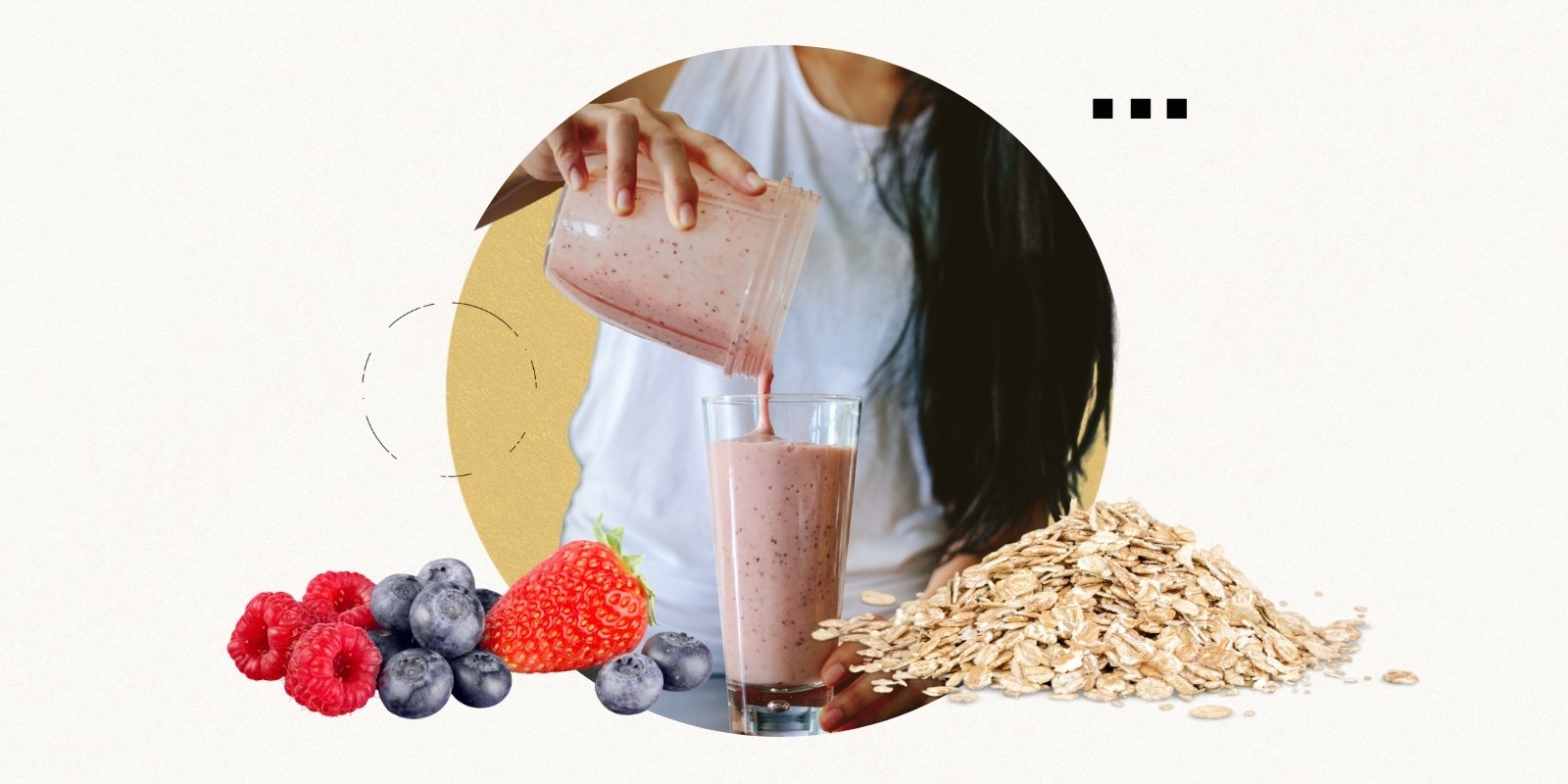
Graphic image centered by a woman pouring a pink smoothie into a glass with a large pile of oats superimposed on one side and a pile of strawberries and blueberries on the other.

One can of cola, a popular energy drink, a mocha latte and a cup of ice cream all have something in common: 30-plus grams of added sugar.

In one serving.

Consuming just one of these highly consumed options puts everyone above the recommended daily allowance for added sugar. For women, that’s 6 teaspoons, or 25 grams, and for a men, it’s 9 teaspoons, or 36 grams (American Heart Association).

Combined with the amount of added sugar in all the other foods we eat every day, enlisting a few reduction tricks might be a good idea. Below are some ideas from Courtney Kiang, RD, with the Community Nutrition Programs at the. CU Anschutz Health and Wellness Center.

Obesity, diabetes and Alzheimer’s disease

Research has found a range of negative effects from excess sugar in diets, from harming our hearts, waistlines, livers, moods and metabolic health to increasing our chances of diabetes and cancer. A CU Anschutz researcher studies how fructose can even trigger a natural instinct toward obesity and drive Alzheimer’s disease

  1. Skip coffee shop drinks and make regular coffee at home.

    Coffee and tea speciality drinks account for 11% of added sugar in the American diet. 

  2. Buy plain Greek yogurt and add your own natural sweetener such as fresh or frozen fruit or unsweetened applesauce.

    Even if you add honey (an added sugar), you are in control of the amount. One popular non-Greek, fruit-flavored yogurt contains 33 grams of sugar per serving. 

  3. Mix equal amounts of sweetened cereal with a no-sugar-added variety to cut your sugar in half.

    Or switch to plain oatmeal (quick, rolled/old fashioned or steel cut varieties) with fruit: 100% whole grain oats contain 0 grams of added sugar. Packets of instant oatmeal often contain 7 grams or more per serving.  

  4. Skip store-made smoothies and make your own at home.

    Use no-sugar-added yogurt, fruits, veggies, 100% fruit juice and cow’s milk or an unsweetened milk alternative. Even “healthy” no-added sugar versions of smoothies generally contain excess calories and large portions. 

  5. Buy canned or packaged fruit in 100% fruit juice.

    Some manufacturers pack fruit in sugar-heavy syrups. 

    See related articles: The Truth About Sugar? It’s Not So Simple and Understanding Sugar (Natural vs. Added) 

  6. Try something naturally sweet when you have a craving such as an apple, peach or slice of watermelon.

    Pair fruit as a snack with a protein and fiber option to keep you feeling fuller longer, such as no-sugar added peanut butter or a ¼ cup of nuts. 

  7. Order groceries online or for store pickup.

    Avoiding browsing at the store eliminates adding tempting high-sugar items to your cart.

  8. Find carbonation and the crisp sound of a can opening in sparkling water instead of soda.

    Sugar-sweetened drinks account for nearly a quarter of American’s added sugar intake. Bonus: Sparkling water counts toward hydration goals. 

  9. Check and compare nutrition labels, particularly with sauces and condiments.

    Ketchup, salad dressings, marinara and barbecue and teriyaki sauce are common sources of added sugar. Remember: Added sugar listed on the label is per serving, which can often mean 1-2 tablespoons with condiments and dressings. 

  10. Enjoy sugar when you have it – birthday cake, pie at the holidays, a periodic piece of chocolate – and be mindful.

    Sit in a quiet place and give it your attention (not in front of the TV). This helps satisfy your brain and your body.

    Note: Below are some more tips from other CU Anschutz faculty members.

    Don’t deny yourself sugar; just avoid too much sugar. Elimination diets do not work in the long term. Also, avoid letting yourself get too hungry. When you do, your body craves quick energy, which is what high-sugar foods provide.
    Bonnie Jortberg, PhD, RD, CDE, associate professor of family medicine
    Increase protein to help decrease sugar cravings and limit highly processed foods, which are easy to overeat and often have higher sugar content.
    Aimee Herbert, FNP, MSN, BSN, instructor of endocrinology, metabolism and diabetes
    Plan ahead and pack the meals you will be eating away from home. Also, have a supply of healthy snack items with you or in your office.
    Whitney Goldner, MD, division head of endocrinology, metabolism, and diabetes
    Eat plain yogurt (Greek has more protein) with fruit and cinnamon, no sugar, and a bit of granola or nuts for crunch. Also, chew your fruit. Avoid juice and smoothies.
    Jane Reusch, MD, professor of endocrinology, metabolism and diabetes 

Topics: Nutrition

Featured Experts
Staff Mention

Courtney Kiang, RD