<img height="1" width="1" style="display:none" src="https://www.facebook.com/tr?id=799546403794687&amp;ev=PageView&amp;noscript=1">

Why Do I Still Feel Different After the COVID-19 Pandemic?

CU Anschutz neuroscientist Tracy Bale, PhD, explains how chronic pandemic stress may still be affecting mental health, brain function and the immune system years after COVID 19

minute read

by Laura Kelley | May 22, 2026
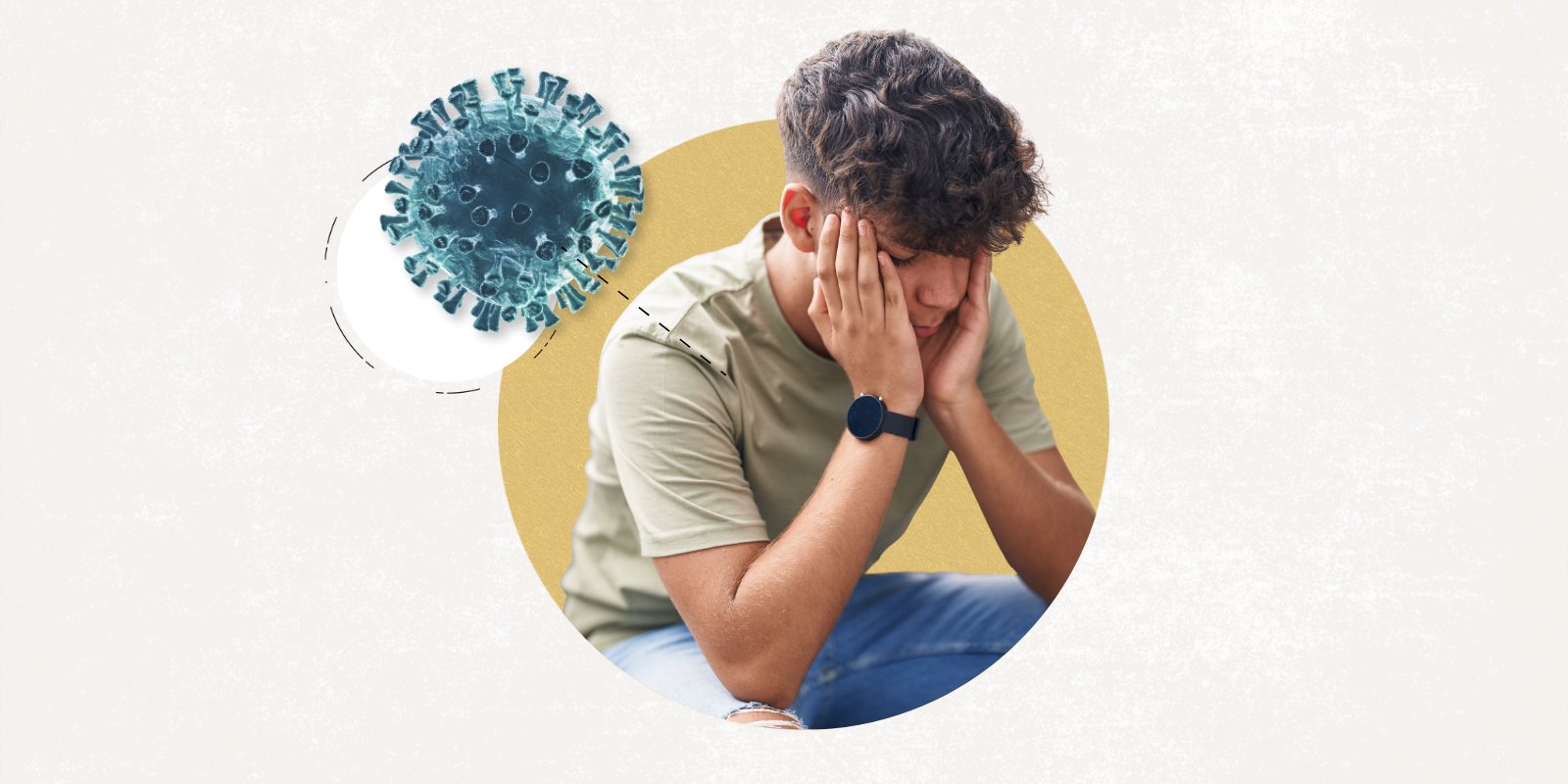
A young man in jeans and T-shirt sits hunched over cradling his face in his hands, a coronavirus superimposed overhead

Five years after the start of the COVID 19 pandemic, many people still say they feel more anxious, emotionally exhausted or socially disconnected than they did before 2020. Researchers at the University of Colorado Anschutz say these lingering effects may be tied to prolonged pandemic stress, a form of chronic uncontrollable stress that can reshape both brain and immune system function over time.

Laura Kelley, media relations program manager in the CU Anschutz Office of Communications, sits down with Tracy Bale, PhD, a nationally recognized neuroscientist and epigenetics researcher in the CU Anschutz School of Medicine, to discuss why stress from the pandemic may still affect mental health, behavior and physical well-being years later.

The Bale Lab researches how stress can be passed from one generation to the next, beginning even before conception. Bale explains the long-term effects of chronic stress on the brain and immune system, which groups remain most vulnerable and what recovery from pandemic-related anxiety and burnout can look like.


Q&A Header

Why do people still feel different or anxious after the pandemic and COVID?

A lot of people still seem to be operating from a higher baseline level of stress. Socially and professionally, behaviors have changed in ways that have not fully reversed. The pandemic represented chronic uncontrollable stress, which is one of the most biologically impactful forms of stress. Early in the pandemic, people did not know what would happen, how long it would last or how to protect themselves and their families. We also continue to see elevated rates of anxiety, depression and other mental health concerns, particularly among young people who experienced key developmental years during the pandemic.

How does chronic stress affect the brain and immune system long term?

Stress affects nearly every biological system in the body. Acute stress can help us respond to immediate challenges, but chronic stress is different. Chronic stress can influence inflammation, immune signaling, sleep, mood and cognitive function. Researchers often describe this as allostatic load, which is the cumulative wear and tear chronic stress places on the body.

Who is most affected by long-term pandemic stress?

Children, adolescents, older adults, and frontline healthcare workers are among the groups most affected by long-term pandemic stress. Children and adolescents experienced the pandemic during critical developmental periods, when social and emotional learning are especially important. Many missed opportunities to build independence, strengthen social skills, and develop coping strategies. Older adults often faced increased isolation and reduced social connection, both of which are associated with poorer health outcomes, unhealthy aging and shorter life expectancy. Frontline healthcare workers experienced prolonged trauma and chronic stress during the pandemic and many continue to experience lasting psychological and emotional effects.

Can pandemic stress affect future generations or have intergenerational effects?

Scientists are increasingly studying how stress and adversity may influence long-term biological pathways connected to health and development. Work from our lab has shown that early life adversity and ongoing stress may influence biological signals, including in sperm. These findings do not mean stress determines outcomes, but they suggest stress can shape biology in measurable ways. Biology is never destiny. Supportive environments, healthcare access and healthy coping strategies can all influence outcomes.

How long do the effects of pandemic stress last, and can people recover?

I think recovery is possible, but it may not mean returning exactly to who we were before the pandemic. Chronic stress can lead to social withdrawal and reduced engagement over time, which can reinforce itself if not addressed. Rebuilding healthy routines often requires intentional effort, including social reconnection, physical activity, time outdoors and seeking support when needed. Often the hardest part is overcoming the inertia created by chronic stress. Even small steps toward social connection and routine can meaningfully shift stress levels over time.

What helps people recover from long-term stress after COVID 19?

I am encouraged by growing attention to the links between mental health, stress biology, immune function and overall health. Researchers are working to better understand how chronic stress affects the brain and body and to develop more personalized approaches to treatment. There is also increasing focus on reducing stigma and improving access to mental health care. The more we understand stress biology, the better we can support recovery and resilience across populations.

Topics: Research, Psychiatry

Featured Experts
Staff Mention

Tracy L. Bale, PhD