


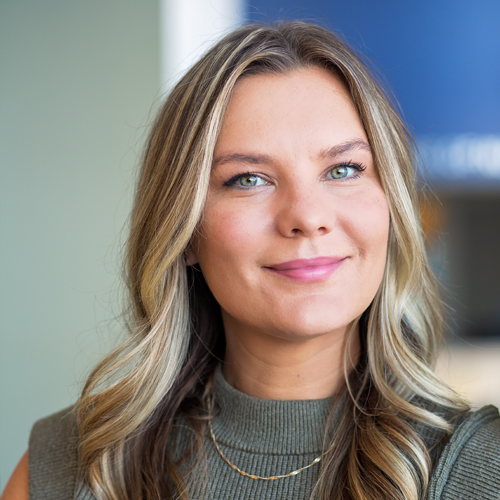
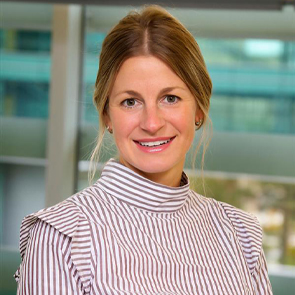
More than 350,000 women will be diagnosed with some form of breast cancer (invasive or non-invasive), and more than 40,000 will die from the disease. For Breast Cancer Awareness Month this October, the University of Colorado Anschutz College of Nursing spoke to Maiki Darnell, MSN, WHNP-BC, IBCLC, an Instructor of Clinical Practice in the college's Women's Health Nurse Practitioner program and who works at UCHealth's Women’s Care Clinic, and Ashley Arkema, FNP-BC, MS, from the UCHealth Diane O’Connor Thompson Breast Center and the CU Anschutz School of Medicine, about why women of all ages should talk about breast health with their provider.
Know Your Risk Factors
“Assessing a woman’s risk for breast cancer is one of the most important things a woman can do,” Darnell says. “We determine screening based on risk factors.”
The Centers for Disease Control lists several factors that could increase your chance of getting breast cancer. Those include risk factors that can’t change, such as age, reproductive history, having dense breasts, genetic mutations, and family history of breast or ovarian cancer. Risk factors women can change include: not being physically active, being overweight, drinking alcohol, or taking hormones.
Understand Your Family’s History
Women should consider their family history when assessing their risk of breast cancer. It’s helpful to know who has had breast cancer, how old the person was when they were diagnosed, what type and what stage of breast cancer they had, and what kind of treatment/therapies they had.
Learn How to Assess Your Breasts
“We recommend monthly self-breast examinations, but we’re also now recommending self-breast awareness,” Arkema says.
Self-breast awareness means knowing your body and monitoring for any changes.
“Those changes include any new breast or axillary (armpit) masses or lumps, breast pain, skin changes, or nipple discharge,” Darnell says.
Women’s Health Nurse Practitioners Play a Role in Educating Women
WHNPs are great resources for education and information about your breasts and breast health. They typically work with OBGYNs or primary care providers for annual screenings, clinical breast exams, and education on self-breast assessments. WHNPs can also work in specialty centers and can work alongside breast oncologists.
If You’re 40, Schedule A Mammogram
“Routine mammograms should start when you turn 40 years old,” Darnell says, “but sometimes we will recommend earlier screenings based on family risks or concerns.”
Keep in mind, you might be asked to return for additional imaging [another mammogram or breast ultrasound] if the radiologist needs to see another scan of your breast. It’s very common to need additional imaging after your first mammogram since the radiologist has previous imaging to compare it to.
“Women should also be aware that mammograms can be less accurate in women with dense breasts," Arkema says. "Some patients may qualify for enhanced screening with a screening ultrasound or MRI."
The American Cancer Society says about 40% percent of women have dense breasts, and according to the CDC, dense breasts affect about half of women over 40.
Your WHNP or primary care provider can help schedule and coordinate your mammograms.
If Something Looks or Feels Wrong, Get Checked Out
“We want you to come in for any new or different breast changes from your norm: new masses, specifically hard, irregularly shaped or fixed masses, new breast pain, nipple discharge (if you are not pregnant or breastfeeding), or skin changes like new dimpling, or skin that has the texture of an orange peel,” Darnell says.
WHNPs Are Here to Support You
WHNPs can advise patients on current screening recommendations, assess for additional risk factors, and offer support through diagnosis and treatment.
“WHNPs can also specialize in breast oncology, so if you have breast concerns that require specialized care, a WHNP can be part of your care team,” Darnell says.


.png)