

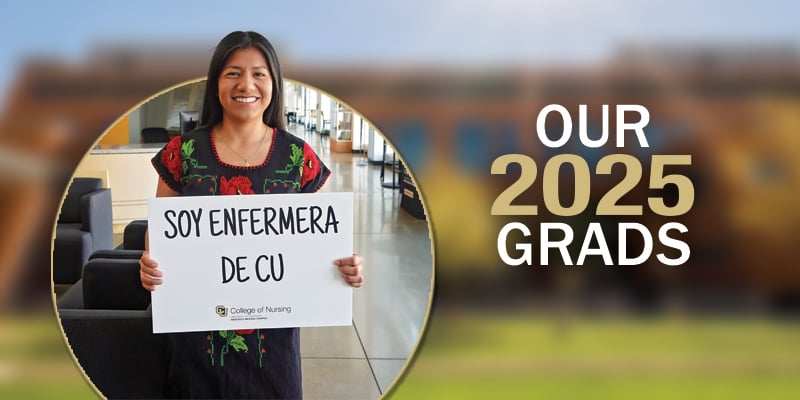
The memory remains vivid: a young Angelita Campos watching her parents navigate a healthcare system that seemed designed to exclude them. Language barriers transformed routine medical visits into daunting obstacles, turning what should have been healing encounters into exercises in frustration and miscommunication. These childhood observations would eventually ignite a calling that now drives her toward becoming the bridge her community desperately needs.
Campos witnessed the stark contrast firsthand during family trips to Mexico, where accessing care felt effortless and dignified.
“We’d travel to their hometown in Mexico, and when we’d get sick, it was so easy to walk next door and get medical care,” she recalls. “It was so much easier for them to get care there than in the US, mainly because of the language barrier.”
But the challenges ran deeper than simple translation. Even when her parents found Spanish-speaking providers in the US, true understanding remained elusive. Cultural nuances, regional dialects, and unspoken needs created invisible walls that formal language skills couldn't breach.
“My mom would joke and say, they can speak Spanish but they don’t understand your dad’s Spanish,” she says. “These early experiences sparked my desire to become a confident nurse who could genuinely connect with and advocate for patients like my parents.”
The move from California to Louisiana only amplified these disparities, revealing how geography can further limit access to patient-centered care. For Campos, these experiences became the foundation of her mission: ensuring that language and culture become bridges to healing rather than barriers to health.
Finding Her True Calling
Campos's journey to nursing wasn't immediate or obvious. Initially pursuing fitness studies and kinesiology, she found herself working in a doctor's office where the true scope of nursing was revealed. What started as job experience became a revelation about purpose and belonging.
“I learned more about taking care of patients, and that’s when I knew that nursing was where I truly belonged,” she says.
Building the Bridge
Her commitment to community-centered care led Campos to the University of Colorado College of Nursing at Anschutz Medical Campus, where she enrolled in the Accelerated (UCAN) BS in Nursing pathway. The decision reflected both her academic ambitions and her understanding that excellence in nursing requires comprehensive support and rigorous preparation.
“What stood out to me was CU Nursing’s support and resources they offered students,” she says. “The way CU Nursing cares about student success was a priority for me and has always been important, because for me, school never came easily. Knowing I’d be in a program that values academic excellence and personal growth made CU Nursing the right choice for me.”
Campos advocates passionately for students to embrace the resources available to them, understanding that vulnerability in learning leads to strength in practice.
“The accelerated program is challenging; no one is meant to do it alone. There are people at the college who want you to succeed,” she says.
Legacy of Understanding
The transformation in her parents' perspective reflects the broader impact of Campos's journey. What began as hesitation about another degree has evolved into profound pride and understanding of nursing's scope and significance.
“I’ve been able to explain to them everything I’m doing, and as they learn more about what nurses do, my mom keeps saying ‘I can’t believe all of the specialties nurses can do,’” Campos says, who hopes to get a job in labor and delivery. “My parents are very proud of me.”
Her parents' evolving appreciation mirrors what Campos hopes to achieve on a larger scale—helping communities understand and access the full spectrum of nursing care while ensuring that cultural identity becomes a source of strength rather than a barrier to health.
“Nursing gives me purpose,” she says. “It’s how I can give back to the community because I’ve always hoped for a more inclusive and empathetic healthcare system."

.png)