The Adult and Child Center for Outcomes Research and Delivery Science (ACCORDS) at the University of Colorado Anschutz School of Medicine continues to innovate the field of health outcomes research, particularly in implementation science.
These are the top stories of 2025 for ACCORDS:
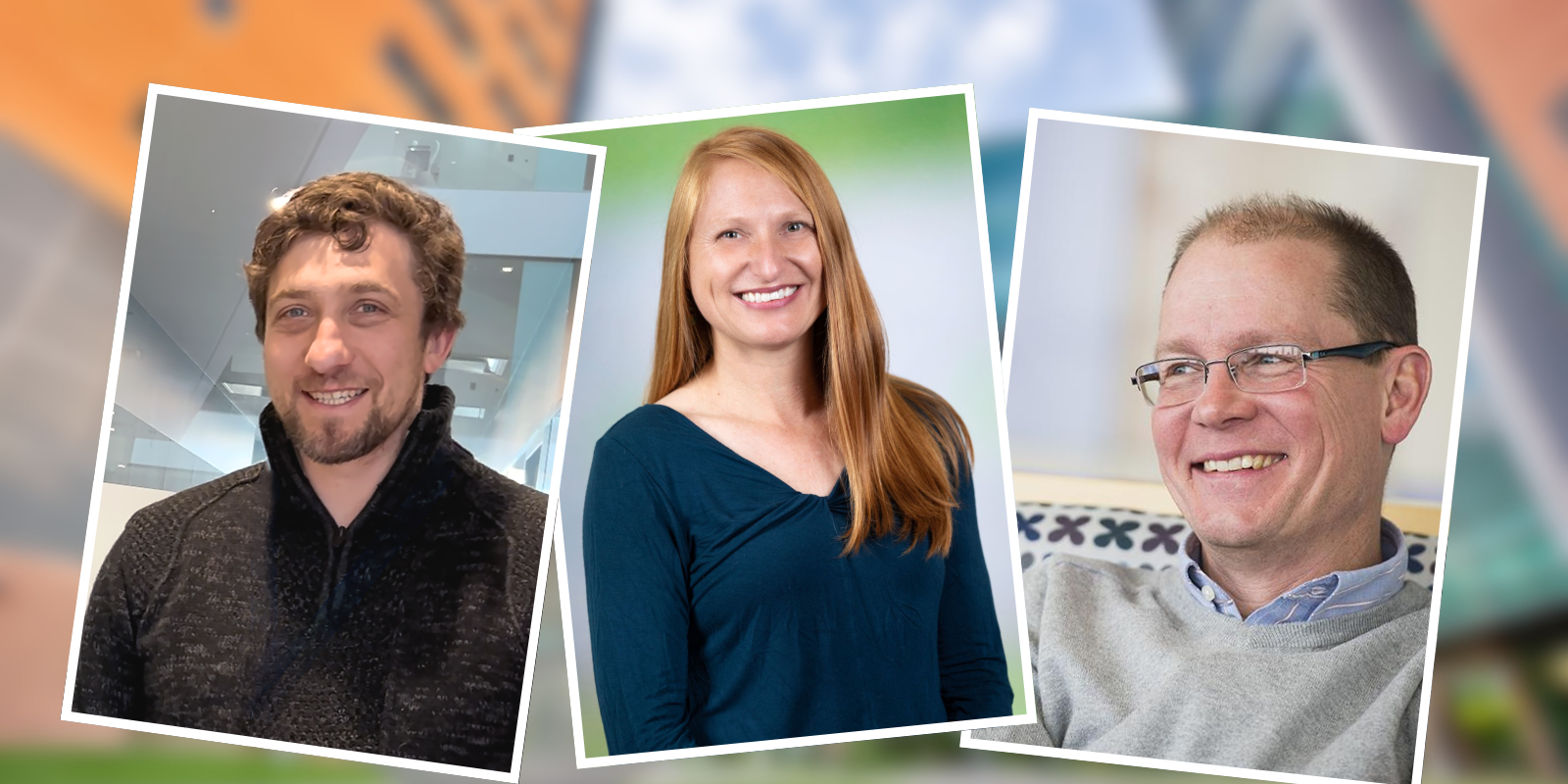
Rett Syndrome in Males is Rare, but Researchers are Learning More
Rett syndrome, predominantly diagnosed in females, is a neurodevelopment disorder caused by a genetic mutation on the X chromosome. Historically, it’s been rare in males and is often overlooked. Now, researchers at the CU Anschutz School of Medicine are learning more about the condition and its effects on males with new funding, a research project focused on how families of these patients navigate the diagnosis, and a plan to prepare the next generation of researchers.

Doubling the Speed of Recovery in Total Knee Replacement Surgery
Jennifer Stevens-Lapsley, PT, PhD, FAPTA, professor of physical therapy, turned to implementation science after noticing that even effective interventions face challenges in widespread adoption. With support from the many educational opportunities and investigators at ACCORDS, she explored the methodology necessary for conducting an implementation science study for her intervention.
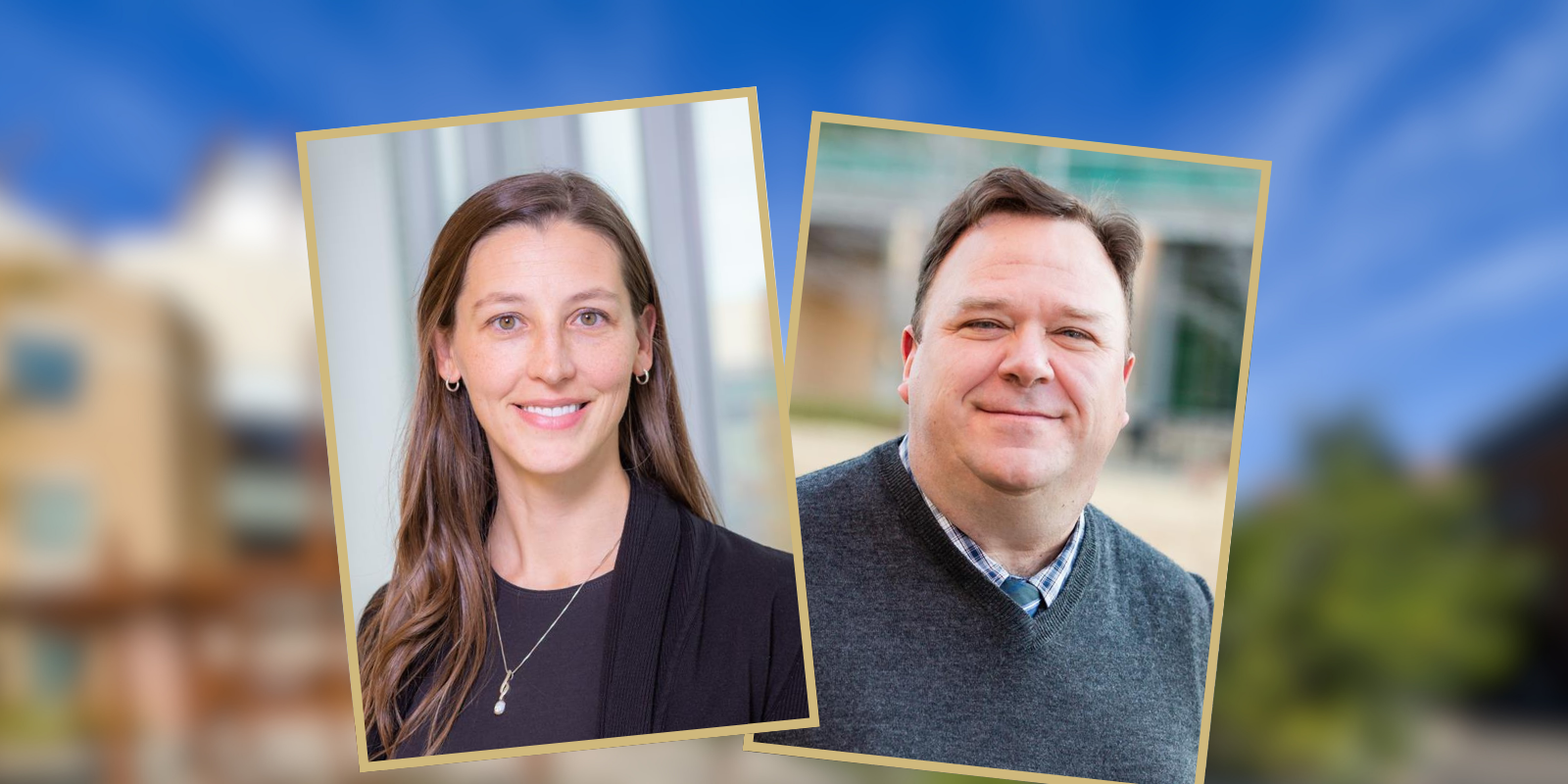
Establishing Best Practices to Engage Youth in Research
Despite the importance of health research focused on youth, they are often left out of the research process. Much of the research done today is focused on adults, without considering the developmental stage that youth are in, the ways they process information and then engage with the world. When research is focused on youth, there is little guidance nor best practices around how to involve youth in informing and participating in the research process. To examine the skills and activities best suited to obtain perspectives from young people on health research that impacts them, CU Anschutz researchers are creating a mixed methods study to weave together the lived experience of youth with the quantitative methods.
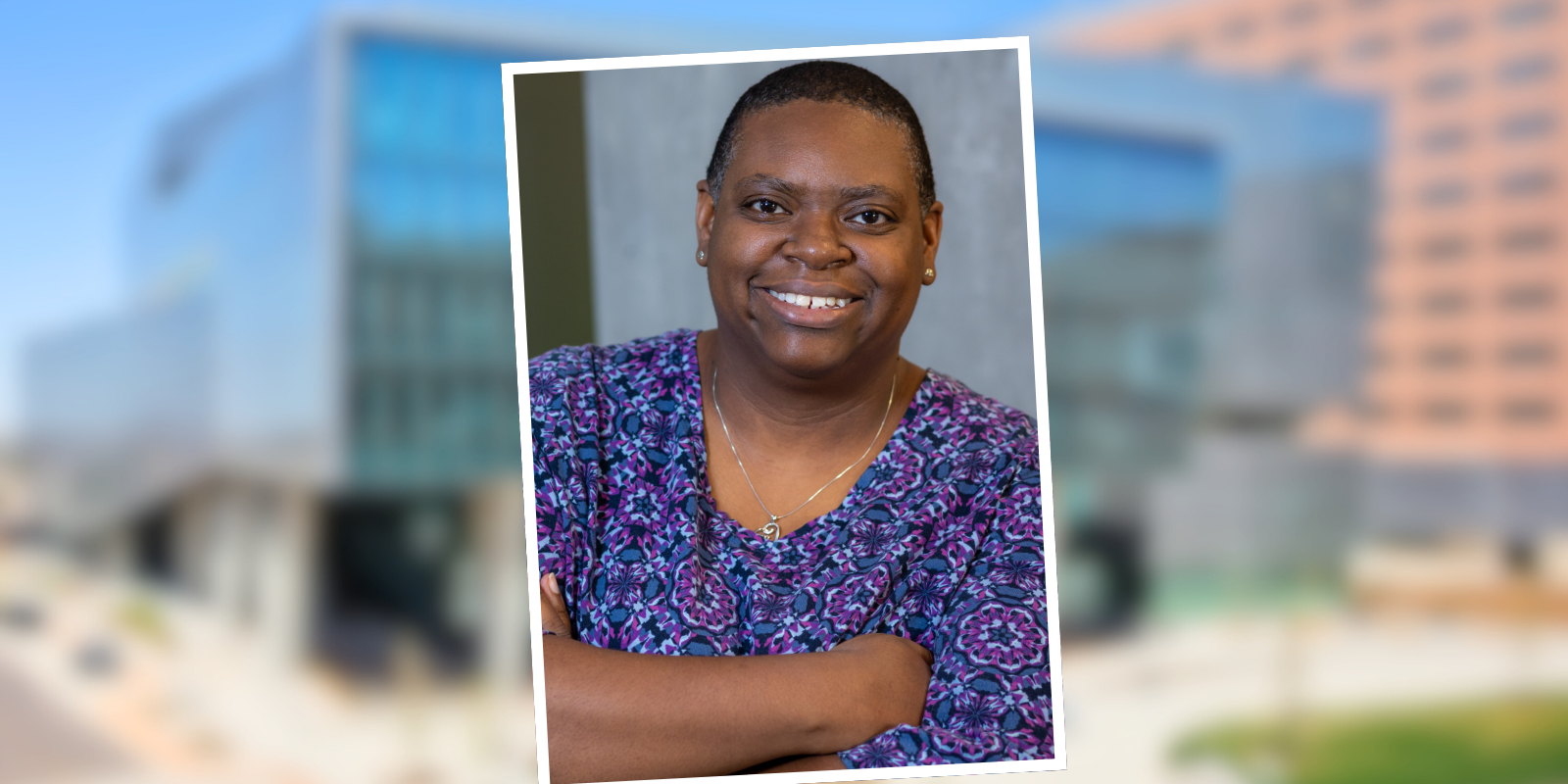
CU Researcher Works to Improve Dementia and Hospice Care in Underserved Communities
An estimated 6.9 million Americans age 65 and older are living with Alzheimer's dementia, according to the National Institute of Health. While Alzheimer’s is the most prevalent disease under the umbrella of dementia, there are many different types of dementia and brain health issues that affect aging adults. Channing Tate, PhD, MPH, assistant professor in the Division of Internal Medicine, focuses her research on hospice and decision-making for end-of-life care, particularly in communities of color. “As our society continues to age, more people are going to be diagnosed with these diseases, and we are not prepared to take care of them or support their families to go through it,” Tate says.

CU Researchers Use Implementation Science to Advance Equity for Patients with Kidney Disease
Approximately 14% of adults are estimated to have chronic kidney disease, according to the Centers for Disease Control. Nearly half of those are racial and ethnic minoritized people. “They tend to face adverse kidney outcomes because of the social and structural challenges they encounter,” says Lilia Cervantes, MD, professor of medicine. “It’s incumbent upon us to be thoughtful about how we can make these evidence-based interventions, medications, and policies work for these communities, so that there is less of a difference in the prevalence of chronic kidney disease and kidney failure among different races and ethnicities in the U.S.” In a recent article published in Nature Reviews Nephrology, Cervantes and colleagues highlight their work to advance equity in kidney health using implementation science.

Creating a More User-Friendly Shared Decision Making Tool for Physicians
The Agency for Healthcare Research and Quality (AHRQ) wanted an updated version of its SHARE Approach that would teach clinicians how to engage in more effective shared decision-making, and enable them to use shared decision-making more broadly. Laura Scherer, PhD, associate professor of medicine, led a team of CU Anschutz researchers to revise the AHRQ training program. The team created an updated version of the program that is more user-friendly and has expanded to address the complex problem-solving that often occurs when managing multiple chronic conditions.

CU Anschutz Researchers Share Innovative Advice on Collaborative Teams in Health Science
During the second annual Pediatric Research Day, faculty, researchers, and students joined together to discuss collaboration in pediatric health sciences research. The event – co-hosted by the University of Colorado Anschutz’s Department of Pediatrics, Colorado Child Health Research Institute (CCHRI), and ACCORDS – featured an hour-long panel conversation among six faculty members representing various disciplines ranging from nursing to radiology to endocrinology. The panel’s discussion, moderated by ACCORDS Director, Jerica M. Berge, PhD, MPH, revolved around collaborative teams in science. Panelists shared their top advice for being part of a collaborative health science team, including the importance of relationship building, why learning new skills is beneficial, and how mindset plays a healthy role in team settings.

Pediatric Pharmacy Plays a Key Role in Complex Care for Children
“About a third of our patients in the clinic are on 10 or more medications. The medication lists are complex and that creates a lot of opportunity for things to go wrong, like drug interactions and side effects,” says Luke Orth, PharmD, BCPPS, assistant professor of clinical pharmacy at the Skaggs School of Pharmacy & Pharmaceutical Sciences. “As a pediatric pharmacist, I'm always thinking about how we can limit those problems.” Orth and ACCORDS investigator, Jamie Feinstein, MD, MPH, have collaborated on several projects to better understand their work in the Special Care Clinic and hope to improve children’s safety, the effectiveness of care, and reduce unnecessary costs.

Partnering with Families to Improve Care for Children with Special Health Care Needs
More than one in five children in the U.S. have special health care needs. These children and youth are at increased risk for chronic physical or developmental conditions that may require health related services beyond what is needed by children generally. Christopher Stille, MD, professor of pediatrics and section head of general academic pediatrics, has spent his 30-year career providing primary care for well children in addition to children with special health care needs. He founded the Children and Youth with Special Health Care Needs National Research Network to foster research partnerships between health systems researchers, practitioners, and families.
Mobile Health Research Is Helping to Improve Care for Patients
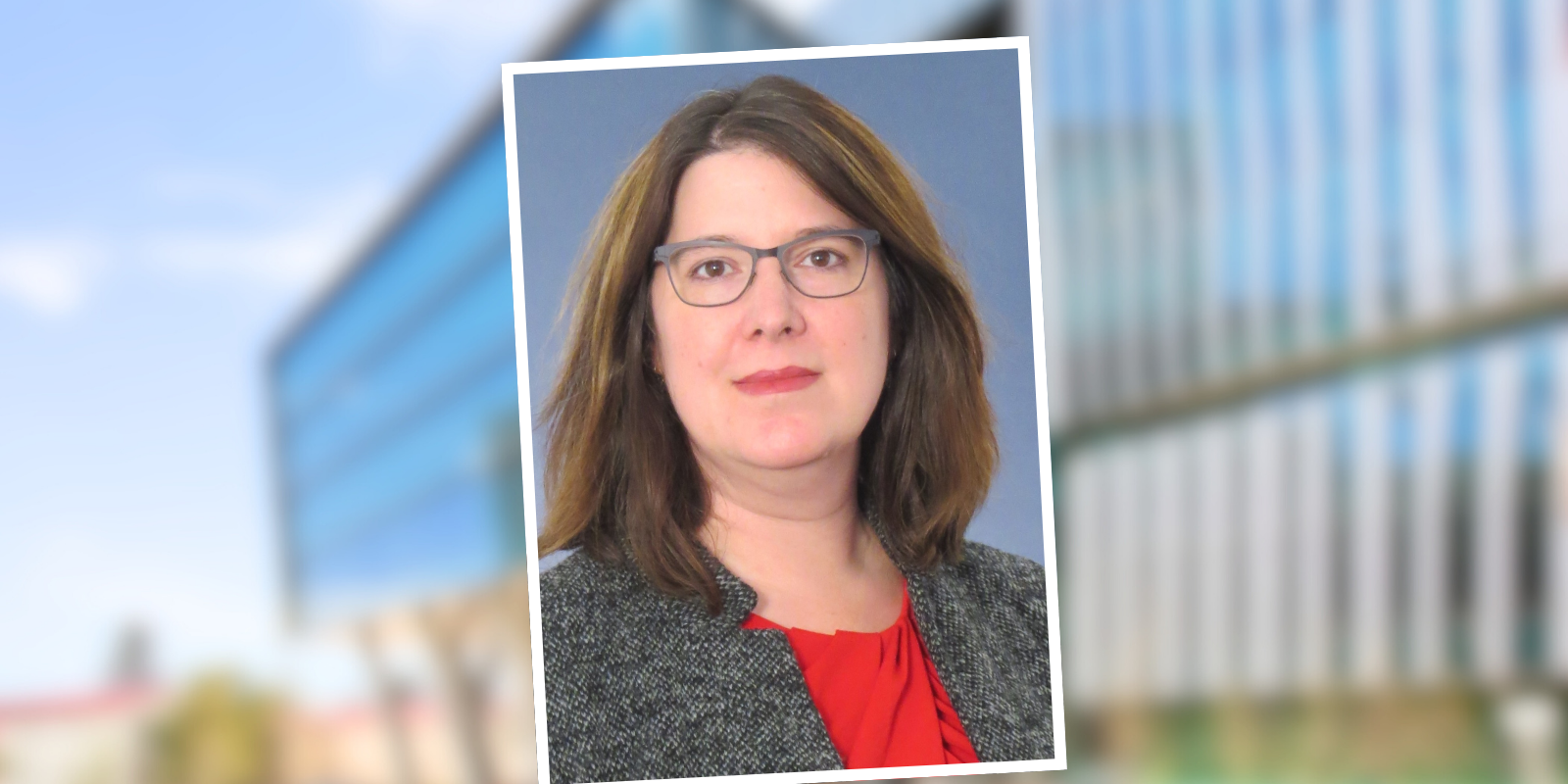
Susan Moore, PhD, MSPH, research assistant professor of community and behavioral health and director of the Digital Health Technology Core at ACCORDS, has leveraged her career in information technology to increase the use of mobile and digital health technology to deliver patient-centered care. Digital health is the use of information and communication and other technologies, including but not limited to telehealth, wearable devices, and mobile health apps, to improve health outcomes, healthcare services, and health research.