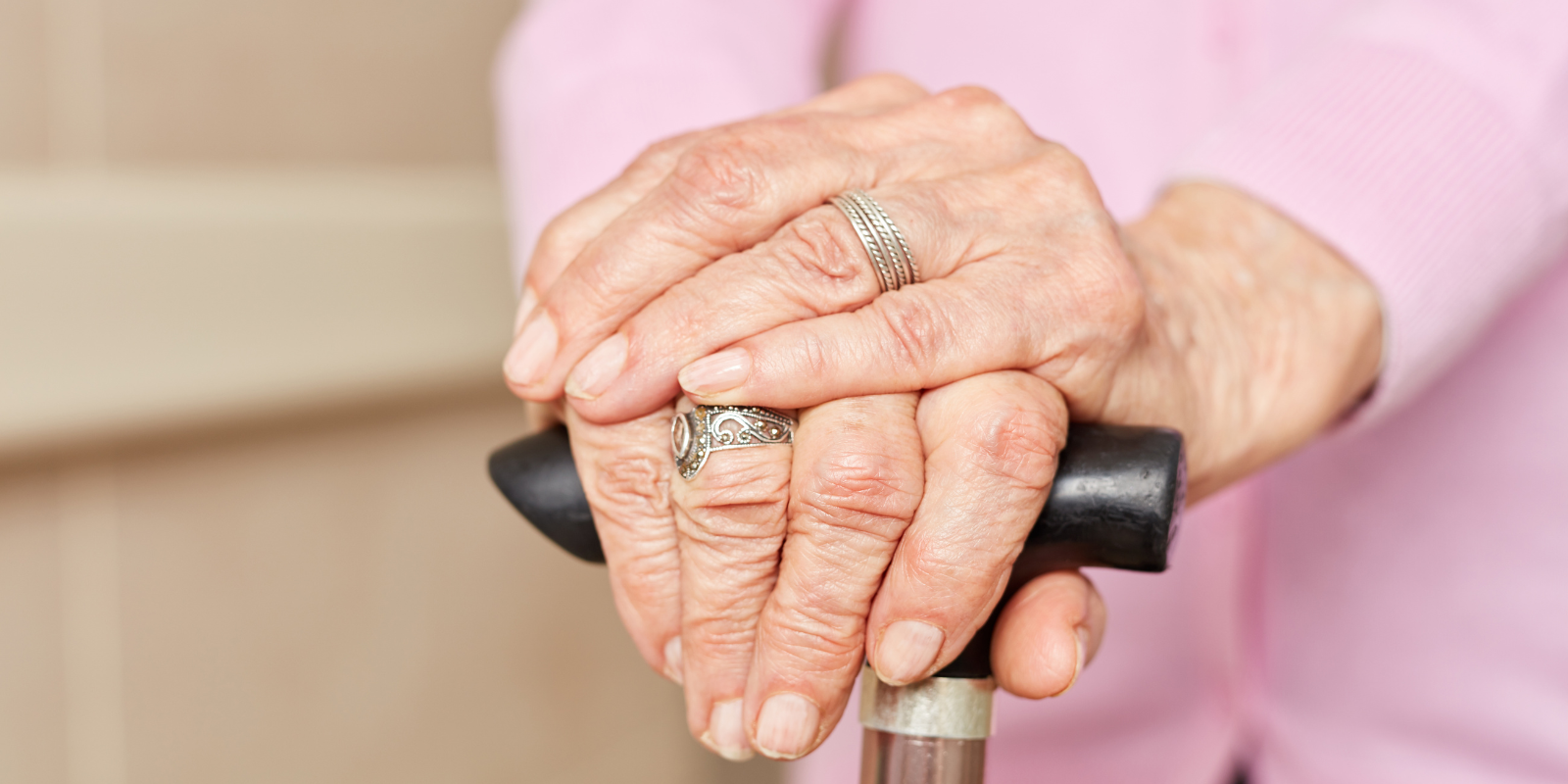
If 90% of cancers occur in people 50 and older, why is so much cancer research being conducted using animal models that are just a few months old?
That’s the thrust of a review article by Curtis Henry, PhD, the University of Colorado Cancer Center’s deputy associate director, Office of Faculty and Staff Relations, and CU Cancer Center Deputy Director James DeGregori, PhD, published in July in the journal Nature Reviews Cancer.
“Aging has been unappreciated in cancer biology for a long time, though in the past five or 10 years, it's become more appreciated as a driving factor,” DeGregori says. “Aging traditionally was thought of just as the time it takes for the mutations to accumulate and bad things to happen, but we've come to appreciate that there's more to the associations between aging and cancer than just simply time — that there are physiological changes that happen.
“You can't just study cancer in a young animal model and say that's equivalent to understanding cancer, because cancer 90% of the time is happening in someone over 50 years old,” he continues. “The model systems matter. We focused this review on the model systems so that people could have the tools to move forward to understand this integration between cancer and aging, but also to lose a little bit of the intimidation factor, just in terms of laying out what's available and how to do it.”
Building a better model
To that end, the review article describes different methods of modeling aging in animal models, including genetic engineering, hematopoietic transplant models, and direct tumor cell transplantation, as well as methods of modeling aging hallmarks such as hormonal and immunological changes.
“Another thing that was really important in this work was not just to talk about the tools, but the limitations of each of those tools, because that can impact what type of information you can glean from said studies,” Henry says. “One of the things that makes this review article unique is that it's very comprehensive, not just talking about the things that you can do, but the things that you should be aware of and that you can't do with some of the aging studies, and talking about other model systems that might be able to use to overcome limitations in other systems.”
Focus on accelerated aging
Along with studying the connection between aging and cancer comes research on how certain effects of aging might contribute to cancer. In the review article, Henry and DeGregori pay special attention to obesity as “an accelerated ageing phenotype with similar manifestations to aging, including metabolic disorders, compromised immunity, and an increased likelihood of developing cancer.”
Cancer-related mortality rates are significantly higher in patients with obesity, the article notes, and obesity is a multifactorial condition that affects Black and Latine communities at disparate rates when compared to non-Hispanic white counterparts. Obesity also negatively impacts treatment outcomes in patients with cancer.
“Obesity is a well-established risk factor for developing 18 cancer types, and obesity is associated with an earlier onset of cancer for people between the ages of 20 and 39 years, compared to healthy adults within the recommended weight ranges,” Henry says. “Nonetheless, cancers associated with obesity still demonstrate the largest increase at older ages; thus, it is critical to understand how obesity intersects with ageing to modulate cancer risks and outcomes.”
Anti-aging interventions
On the opposite side of the coin, the article points to promising anti-aging strategies — including exercise, non-steroidal anti-inflammatory drugs, and caloric restrictions — as worthy of further study for their possible effects on preventing and treating aging-associated cancers.
“Everyone knows exercise is good for them, but I don't think people understand or appreciate the rejuvenating properties that come along with exercise,” Henry says. “The data are pretty robust and pretty strong that exercise does have some anti-aging properties, and James and I have some new data to suggest that it improves your immune system, too. The idea was to put the data out there, hopefully to get someone excited about it who decides to incorporate it in their studies.”
Taking the extra step
Henry and DeGregori know that using aged animal models can mean extra time and expense for researchers, but doing so is imperative to make sure, for instance, that certain therapies work as expected in the less robust immune system of an older body.
“If it’s an immune therapy experiment looking at lung cancers, which are mostly in older people, ideally, those would be done using aged animal models,” DeGregori says. “We recognize there are extra expenses and difficulties in doing that, but that doesn't mean that it shouldn't be done at some point. You may start off using a younger model, but if your target population is older, it would be a good idea in our minds to test it using an aged model to make sure that it's still relevant within an older context.”