A research partnership linking 17 of North America’s top cancer centers is helping researchers at the University of Colorado Cancer Center unlock secrets.
One example is a recent study led by CU Cancer Center members Corbin Eule, MD, and Elaine Lam, MD, exploring the characteristics of kidney cancer in patients with advanced kidney disease.
The Oncology Research Information Exchange Network (ORIEN), powered by Aster Insights, is a platform for cancer researchers to collaborate, share findings, and exchange large amounts of data drawn from more than 400,000 people that it calls “patient partners” who have consented to share their clinical and follow-up information and, in some cases, their genomic data.
The CU Cancer Center is the only comprehensive cancer center in Colorado as designated by the National Cancer Institute, which is a prerequisite for ORIEN network membership.
Patient partners at each participating cancer center volu ntarily share their information through a common protocol called Total Cancer Care, which specifies the type of data collected across the network and how it’s processed. The information is de-identified so that it can’t be linked to individual patients.
Eule, an assistant professor of medical oncology in the CU Anschutz Department of Medicine, says that patients enrolled in Total Cancer Care “get their clinical data collected and their tumor genetically sequenced, and this information is put into a repository. We have our own cohort of patients who've been enrolled into that program, and other cancer centers have their enrolled patients.”
Lam, a medical oncology professor, says ORIEN allows researchers to combine much larger sets of data on patients with different cancer subtypes across multiple cancer centers than would be available at any one center, potentially leading to more meaningful results.
“If we have a research idea – let’s say we want to look at specific molecular markers and clinical outcomes – then with ORIEN, in aggregate across 17 institutions, we have a lot more patient samples and data than at each institution siloed alone,” she says. “That’s really the draw of participating in this network.”
Virginia Borges, MD, MMSc, professor and deputy division head of medical oncology, is the CU Cancer Center’s lead investigator on ORIEN.
“The CU Cancer Center has been a member of ORIEN since the beginning, over 10 years ago,” Borges says. “As of today, almost 19,000 of our cancer center patients have volunteered to be a critical part of this research endeavor. We could not do this research without their willingness to provide their personal details and their trust in our keeping their information safeguarded.”
She says ORIEN’s lifelong followup of patient partners and the tie-in to full genomic sequencing “are big distinguishing features from other databases out there.”
CU Cancer Center Martin McCarter, MD, a professor of surgical oncology, is the scientific advisor for ORIEN team at the cancer center, along with biorepository and data analyst colleagues.
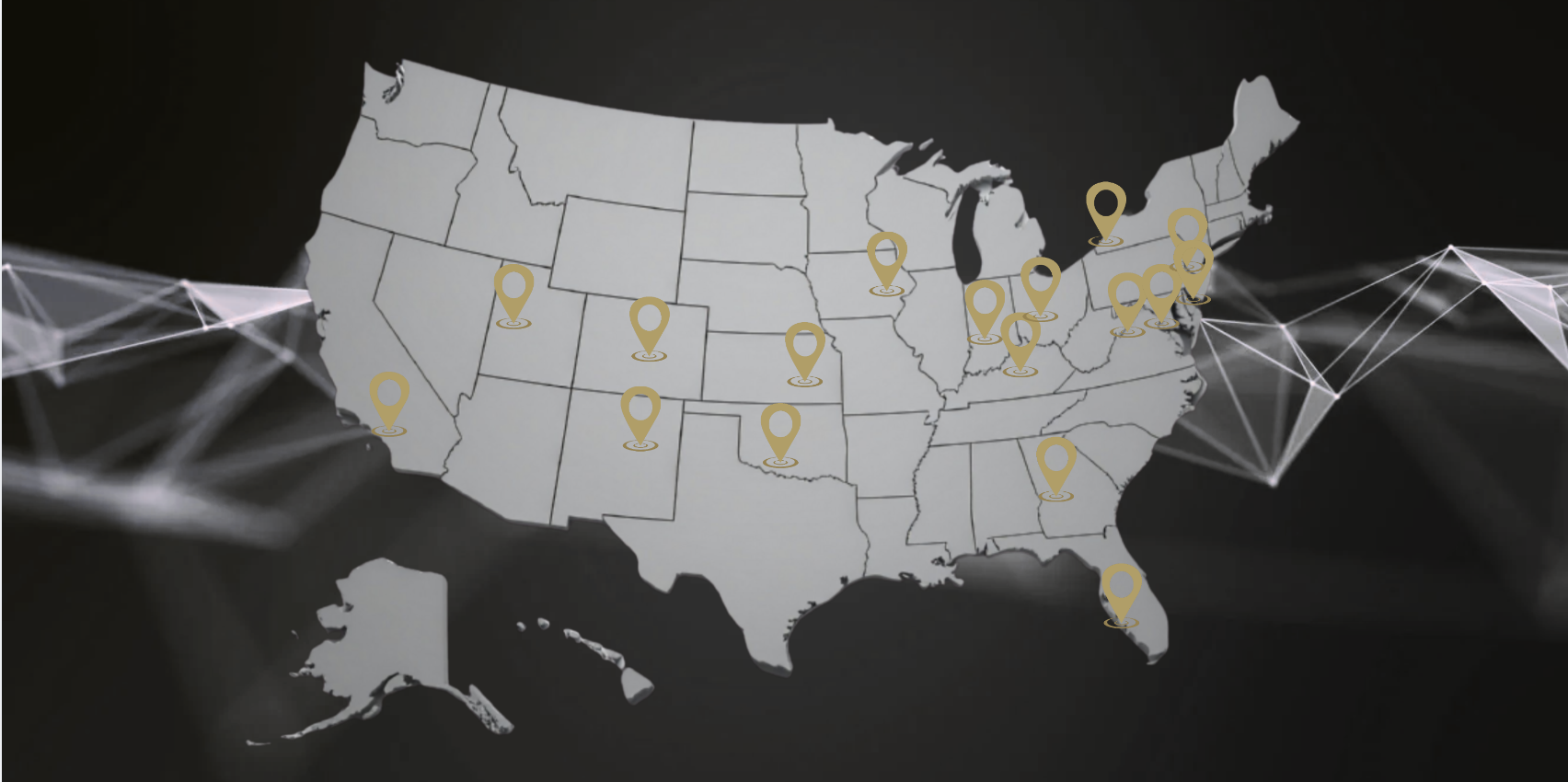
Image at top: The map shows the locations of cancer centers that are members of the ORIEN Network.
VIDEO: Virginia Borges, MD, MMSc, explains how CU Cancer Center research relies on the ORIEN Network.
Not well defined
Eule first worked on research as a fellow with Lam as his faculty mentor, and now Lam calls him “an excellent colleague” on the medical oncology faculty.
They co-authored a study drawing on ORIEN resources – “Clinical and Genomic Features of Patients with Renal Cell Carcinoma and Advanced Chronic Kidney Disease: Analysis of a Multi-Institutional Database” – that was published in 2024 in the journal Cancers. The CU Cancer Center helped fund the project.
Kidney cancer accounts for between 3% and 5% of all cancer diagnoses in the United States. Renal cell carcinoma (RCC), the most common type of kidney cancer, usually occurs when a kidney cell develops a mutation or change in its genetic material.
Eule says that, unlike certain other cancers, RCC offers fewer genetically targeted indications for certain treatments, partly because the cancer is highly heterogenous, presenting many different mutations. It’s a cancer type with “all these different subtypes and differences in how fast they grow and spread,” he says.
People who already have advanced chronic kidney disease are at much higher risk of being diagnosed with RCC than those without kidney disease. And while chronic kidney disease is common among people with RCC, having both often leads to patients being excluded from cancer clinical trials, leading to fewer advanced treatments.
“For patients with kidney cancer, there are certain mutations that are more common,” Lam says. “Patients who have chronic kidney disease, such as end stage renal disease who are on dialysis, are at higher risk of kidney cancer, and sometimes that’s a different type of kidney cancer, and the genetic features of those cancers are not well defined in the literature, which is one of the reasons for this study.”
Fewer BAP1 mutations
Eule and Lam wanted to understand what specific genetic mutations occur in patients with RCC and advanced kidney disease and how they might differ from people with RCC but no kidney disease.
Having access to ORIEN data was invaluable for the project, Eule says. “It had a lot more patients available who fit the group we were interested in.”
Eule and Lam studied data on 296 RCC patients from the ORIEN database, including 81 who had previously been diagnosed with advanced kidney disease.
Eule and Lam found that the patients with kidney disease had much lower rates of a certain kind of genetic changes in the BAP1 gene, suggesting that their cancers may develop through a different biological mechanism than typical kidney cancers. That finding could be a clue into further research leading to treatments that work better for different groups of people with RCC.
More recently, Eule and Lam have collaborated on a related study – supported by a CU Cancer Center pilot grant – examining genetic mutations among patients with RCC undergoing kidney transplant evaluation. The study concludes that its findings “underscore the need for further research to understand the molecular drivers of RCC in high-risk populations, which could lead to more personalized treatment strategies.”
ORIEN is one of several collaborative data networks that CU Cancer Center members can access in their research work. “The nice thing about ORIEN is that it links clinical and genomic data and follows patients longitudinally – over time – which gives us more opportunity to ask questions and get answers,” Eule says.