Alex Singleton is 31. Is that young for someone to be diagnosed with testicular cancer?
When I hear that a 31-year-old man has cancer, testicular cancer is the first thing I think of. Your risk of testicular cancer doesn't start until puberty, but it's the most common solid tumor in men between the ages of 13 and 39.
Is testing for the hCG hormone a common way of diagnosing testicular cancer?
We don't do testicular cancer screening that way, because it's not a perfect marker. It indicated something in Alex Singleton’s case, but our primary recommendation is self-examination of the testicles, to feel for unusual lumps. Once boys hit puberty, they should be examining their testicles, and if they find something that's out of the ordinary, then they should bring it to their doctor's attention.
It sounds like Singleton wasn’t having any symptoms — in fact, he played the day before his surgery. Is that common?
I see a lot of patients who don’t have any symptoms. I saw a patient last week, and his primary care doctor was the first to notice a lump, just during a routine physical.
Are there other early symptoms, besides lumps?
It’s primarily a lump in the testicle, but if there are other symptoms, like unexplained weight loss, back pain, abdominal masses, coughing up blood, then that may mean the cancer has spread. The testes live down in the scrotum, but they form, when you're in utero, up near the kidneys. They descend into the scrotum in the last few weeks before you're born. Even though they live down below your pelvis, they get all their blood supply, their blood drainage, their lymphatic drainage, up near the kidneys. So when it spreads, it spreads into that retroperitoneal abdominal area, which requires a delicate surgical approach.
Singleton’s elevated blood level was found on a Monday, and he had the surgery that Friday. Is that a normal sequence, or is that faster than normal?
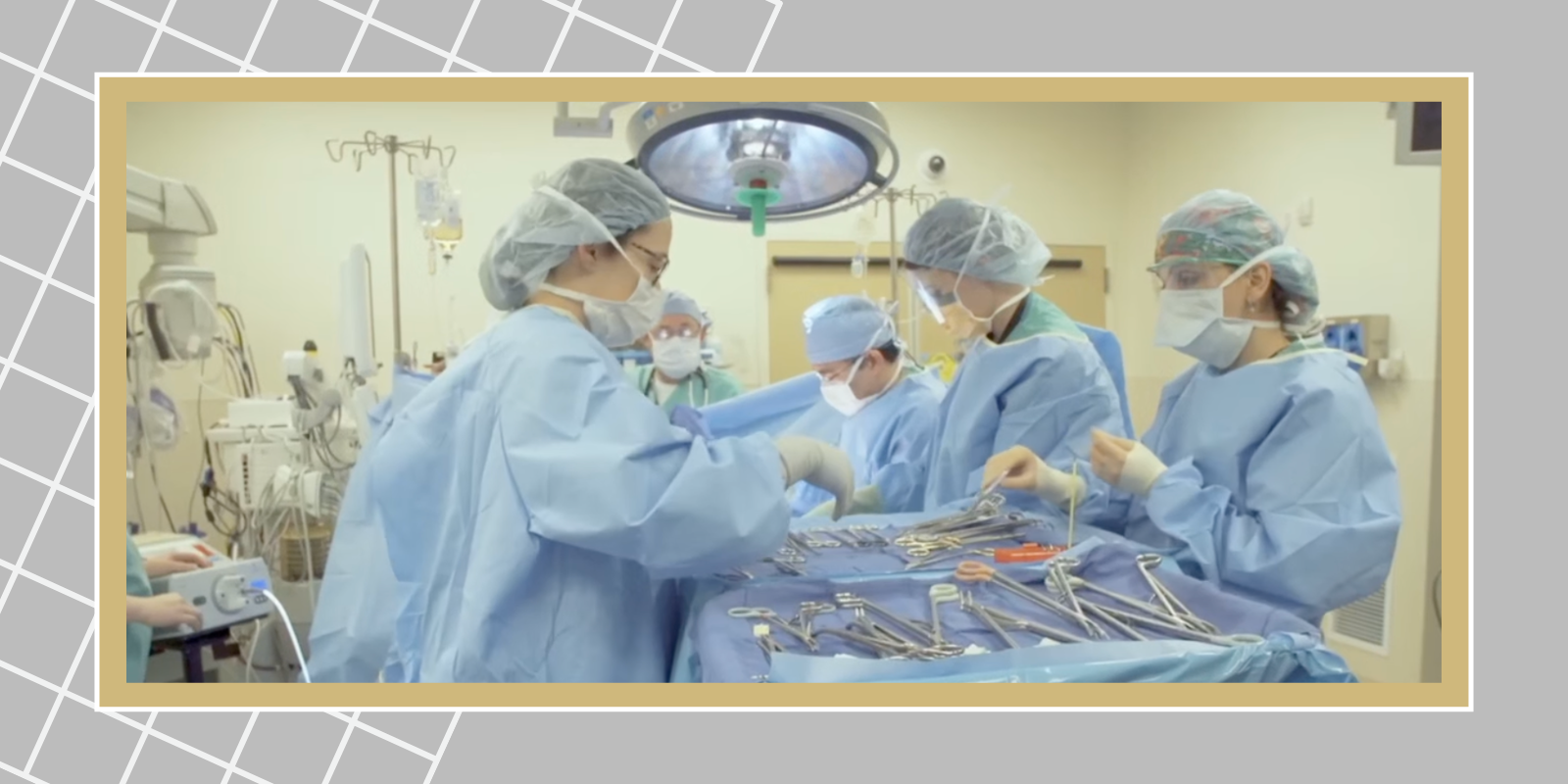
That sounds about right. We try to move pretty quickly on these. After someone’s diagnosed in clinic, we schedule their orchiectomy (surgery to remove a testicle) that week or the following week. It's not a complicated surgery —it's an outpatient surgery, and it doesn't take too long, so that gives us more flexibility about when it can be done.
Are chemotherapy or radiation ever used as part of the treatment for testicular cancer?
They can be — it's totally predicated on the stage. We do imaging of the chest, abdomen, and pelvis to see if there are signs that the cancer has spread. If it has spread, then there's additional treatment, which can take on a lot of different forms: additional surgery, chemotherapy, and less commonly, radiation. The field has moved toward using less radiation in this setting.
What is the recovery from the orchiectomy surgery like?
Generally, people go home the same day, and we tell them to take it easy for four to five days after the surgery. The scrotum is gravity-dependent, so when you're standing up, you get a lot of blood pooling there. We worry about swelling and post-operative hematomas, so we encourage them to rest as much as possible the first few days. Another risk, if they get too strenuous too quickly, is an inguinal hernia. So we tell patients no lifting greater than 10 pounds for four weeks.
Is there any impact on fertility with the cancer or the surgery?
There can be, especially if they need additional treatment beyond just the removal of the testicle. As long as the other testicle is normal, they should still have normal fertility potential. In many cases, we talk about doing sperm banking before removing the testicle, just as an insurance policy. If you need additional treatment, like chemotherapy, that may impact the ability of that normal testicle to still make sperm. Or if you get another tumor on the other side later on. At the time of diagnosis, people are generally worried, and they just want to be cured, so they'll blow through all the stop signs on the way to getting treatment. It's our responsibility to tell them to pause for a moment and think about their survivorship experience, which may include wanting to have kids. If we move too quickly, they may lose that chance.
Is anything known about the causes of testicular cancer?
It's not a one-to-one thing. It's not, “You did this, so that happened.” If there are environmental exposures, we think maybe they were environmental exposures that the parents had. It's more of a pediatric kind of embryonal tumor, and likely, that risk got passed along from a parent. We also know that men who are born with an undescended testicle have an increased risk of testicular cancer, as do men with a first-degree relative — a brother or a father — who had the disease.
Alex Singleton is being very open about his diagnosis and treatment — how important is that, as far as awareness?
I'm hopeful that him bringing this up will drive people to be more cognizant of their own health — not even just about testicular cancer, which is a relatively rare cancer. Maybe it causes someone to think, “I'm 45; I need to do my colorectal screening,” or a woman to say, “I need to be doing my self-exams for breast cancer.” Hopefully some good can come out of it.
Featured photo by Gabriel Christus, Denver Broncos