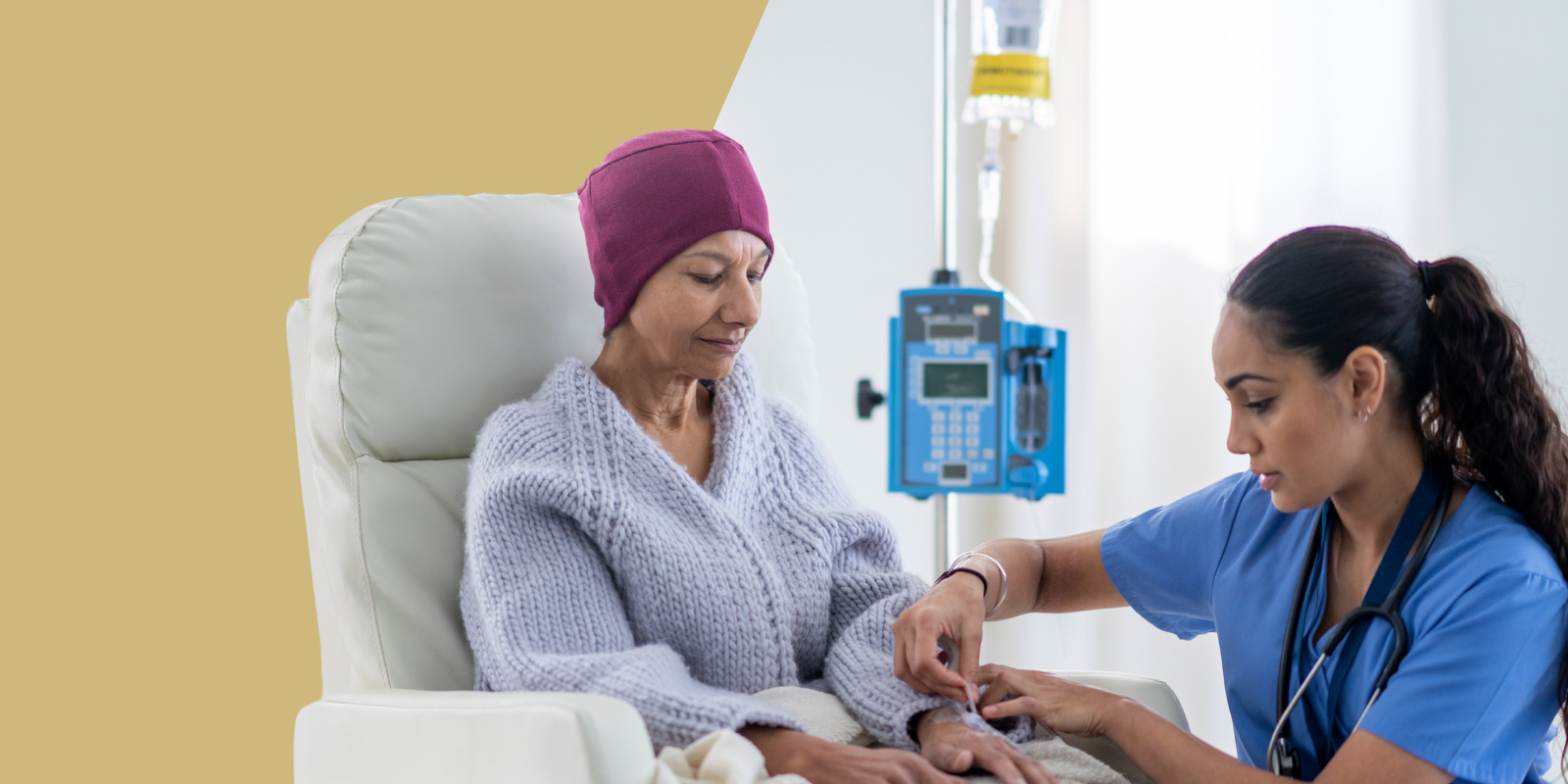
Advances like immunotherapy and targeted therapy have led to more treatment options for many cancers, but chemotherapy continues to be the most common medical treatment for nearly every cancer type.
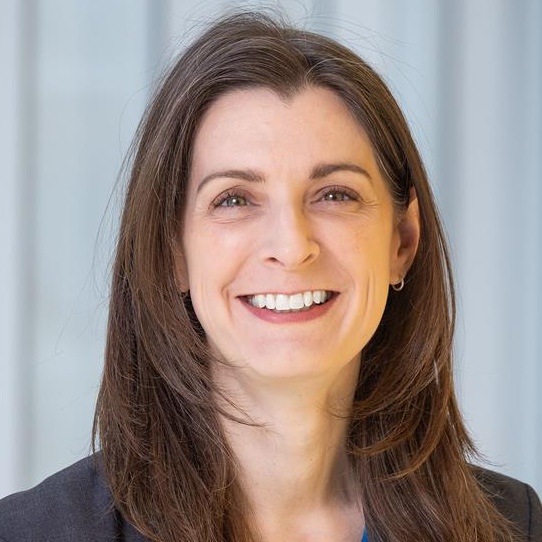
“Whether it's a solid tumor, blood cancer, or hematologic malignancy, chemotherapy is one of the mainstays of cancer therapy,” says University of Colorado Cancer Center member Erin Schenk, MD, PhD, associate professor of medical oncology in the CU Anschutz School of Medicine. “It often works quite well in combination with some of the other novel therapies we have.”
For all the good that it does, chemotherapy — broadly described as medicine that interferes with a cell's ability to split and divide — also is often accompanied by side effects including nausea, fatigue, and hair loss.
“Because chemotherapy goes after dividing cells, it can treat cancer, but it also affects many normal cells within your body,” Schenk says. “Blood cells divide quite a bit, so they get suppressed by chemotherapy. Hair follicles have a phase of division and growth, which can be interfered with by chemotherapy. The same goes for the skin cells that line the gut — the mucosa in your mouth, all along the intestines. and the lining of the stomach. Those are all cells that rapidly divide as part of their normal programming, and they also get impacted by chemotherapy.”
Managing nausea
Nausea and fatigue tend to arise around five to seven days after treatment, Schenk says. Patients receive anti-nausea medications as part of their infusion and are sent home with additional medicine to use as needed.
“I encourage patients, at the first sign they feel even a little stomach upset, to go ahead and take one of those pills,” she says. “We don't want people to get behind, because when you get really nauseated, it's a hard thing to turn around.”
In addition to medication, Schenk advises snacking during the day to keep a small amount of food in the stomach and using ginger candy or other ginger products to manage symptoms.
Battling fatigue
When it comes to fatigue, Schenk says, the best thing patients can do to combat the side effect is to remain physically active.
“It helps people maintain their reserves throughout the therapy process so they can better tolerate the treatment,” she says. “There are varying level of fitness and activity, but I encourage them to do whatever they can, whether it’s getting up and going to the garage or walking around the block. Even small bits of exercise can make a difference.”
And exercise can help with more than fatigue — studies show that it also helps to clear the brain fog that often accompanies chemotherapy, Schenk says.
“There's a large body of literature showing that maintaining a level of activity throughout treatment helps reduce many of the side effects that patients experience from their cancer-directed therapy,” she says. “In colon cancer, there's even data showing that exercise may help reduce the risk of cancer coming back.”
Other side effects
There are specific remedies for other side effects, as well, including topical lotions to reduce and treat rashes, a baking soda rinse for mouth sores, and cold caps, worn during treatment, to prevent hair loss. Schenk says that often patients whose concept of chemotherapy is informed by TV shows, movies, or the experiences of friends and family members who underwent the treatment decades ago are surprised by how manageable the side effects can be.
“We're in an exciting time for patients across all cancer types, where our therapies are working better with fewer side effects,” she says. “We have the imperative, as physicians, to help people maintain their quality of life while going through therapy. We can now demand not only quantity of life from our therapies, but also quality of life.”
Even when side effects are severe, Schenk says, patients shouldn’t be afraid to receive chemotherapy. Side effects are temporary, but the benefits of the treatment can be permanent.
“Chemotherapy has increased the cure rates for many cancers across different tumor types and stages,” she says. “Now, happily, we have more therapies on top of chemotherapy to keep increasing that cure rate. But chemotherapy has been the backbone of what we've been able to do to increase those numbers. In a situation where the cancer has spread beyond the original site, chemotherapy medicines are fundamental to reduce the cancer size and reduce the symptoms. It’s a quantity-of-life benefit, and it can be a quality-of-life benefit by either reducing or preventing cancer-related symptoms from emerging.”