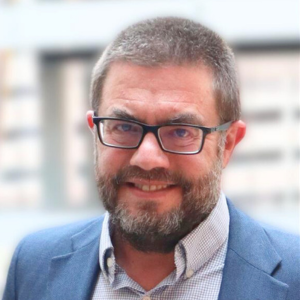
Research led by Antonio Jimeno, MD, PhD, co-leader of the Developmental Therapeutics Program at the University of Colorado Cancer Center, may help cancer doctors better predict which cancer patients are more likely to respond to immunotherapy.
“The current response rate to immunotherapies is well under 50% and in many cases, under 20%,” Jimeno says, “That means that we're using extremely expensive and burdensome therapies with a low likelihood of response. Any tool that can help us achieve therapy individualization is going to be a great advancement for cancer patients.”
Educating thymus cells
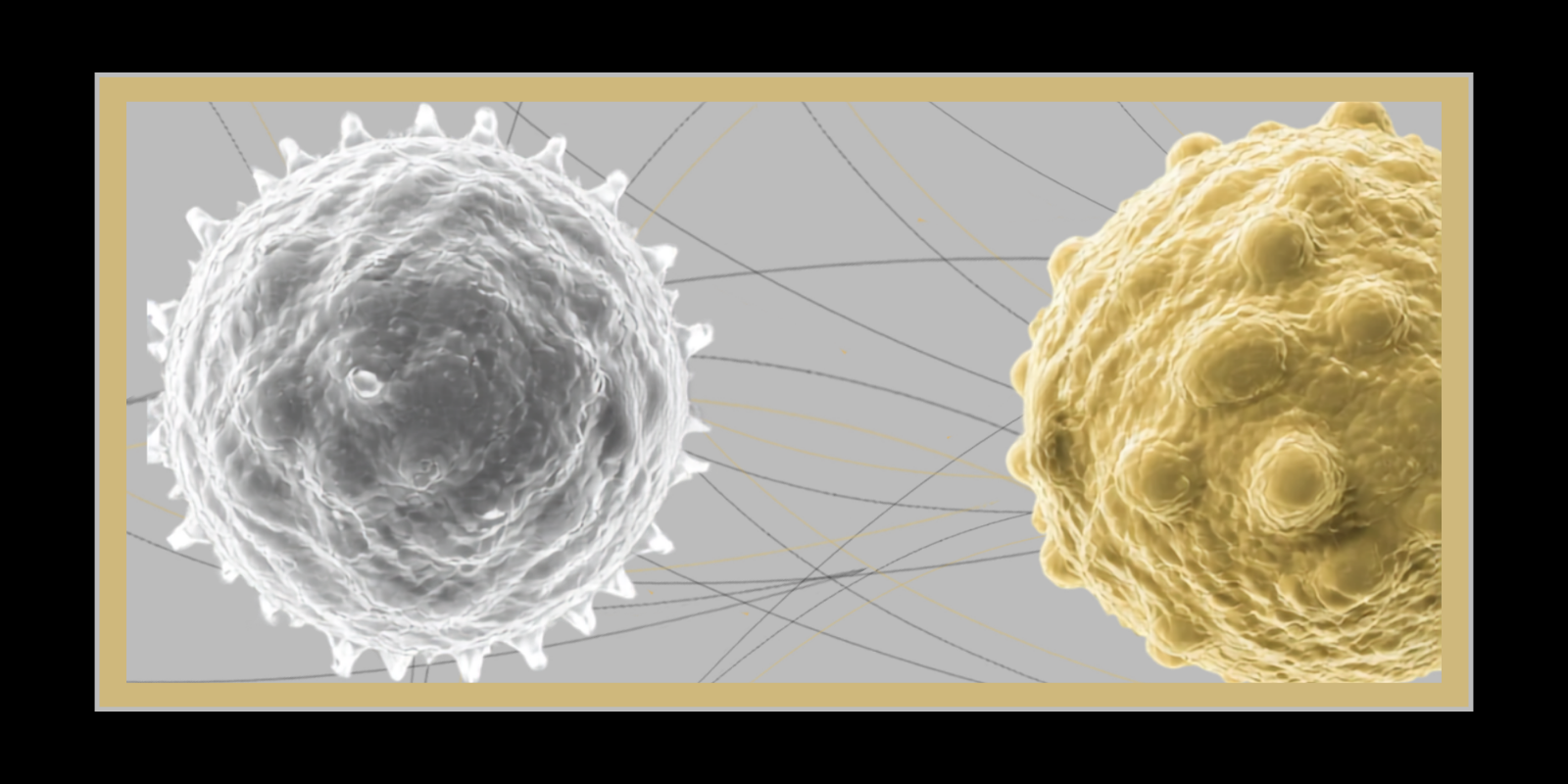
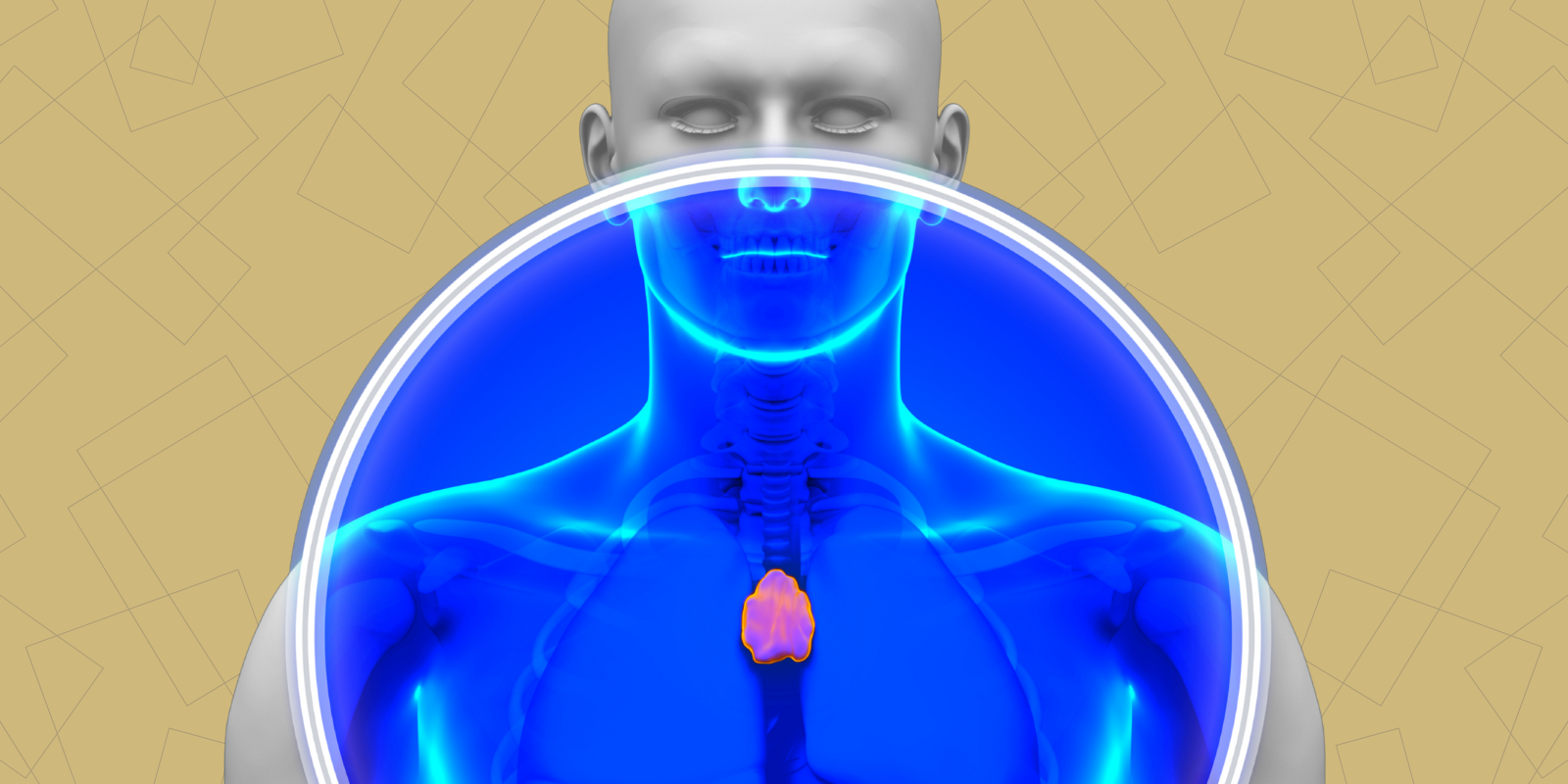
Conducted in conjunction with his longstanding collaborator Holger Russ, PhD, at the University of Florida and the biopharmaceutical company Tolerance Bio, Jimeno’s research involves taking peripheral blood cells from a patient and generating pluripotent stem cells from those to differentiate them into cells identical to those found in the thymus, an organ that teaches immune cells to attack cells or organisms foreign to the person (be it virus, bacteria, or abnormal/cancerous cells). By implanting the patient-generated patient cells into an animal model, along with a sample of the patient’s tumor, the researchers found they could activate the immune system much more effectively than in animal models without thymic tissue.
“When we compared animal models that had human immune cells only, versus animal models that had human immune cells and patient-derived thymic tissue, in the animal models that had the patient-derived thymic tissue, the immune cells became activated, circulated more, and invaded the tumor and made it shrink,” Jimeno says. “It's an advanced animal model by not just implanting human immune cells, but also by making sure those human cells actually know what they're looking for.”
Melanoma and beyond
Jimeno details the findings in a recent article in the journal Cancer Research Communications. The published research was conducted on melanoma, but Jimeno recently received NIH funding to continue the work in his area of specialty, head and neck squamous cell cancer.
“This research has legs, and we're going to continue working on it,” he says. “Over the past 15 years, we have generated increasingly complex laboratory and animal models that can bear both human immune and cancer cells, which we call humanized animal models, to realize the promise of immune therapy. A fundamental limitation of humanized animal models is that the fidelity of the interaction between the immune and tumor cells is limited by the lack of the organ that facilitates immune cell education.”
Thymus has promise
Jimeno estimates it will take years to get the process to the point where it can be used in cancer patients, but he sees great promise in preserving, restoring, and manipulating the function of the thymus, an organ that is most active in childhood and shrinks after puberty.
“This could be a therapy by itself, because it could boost a patient’s immune system,” he says. “It could also be a diagnostic to make better animal models and determine prior to therapy how a patient will respond.”
“More than 75% of head and neck cancer patients, and many other cancer patients, do not respond to immunotherapies, and now that we have multiple immunotherapies, it would be a great way to figure out which ones to use,” he adds. “It potentially would be another tool in the toolbox to try figure out which one is going to be a good fit for patients. Right now, we have very limited ways to individualize immune therapy.”