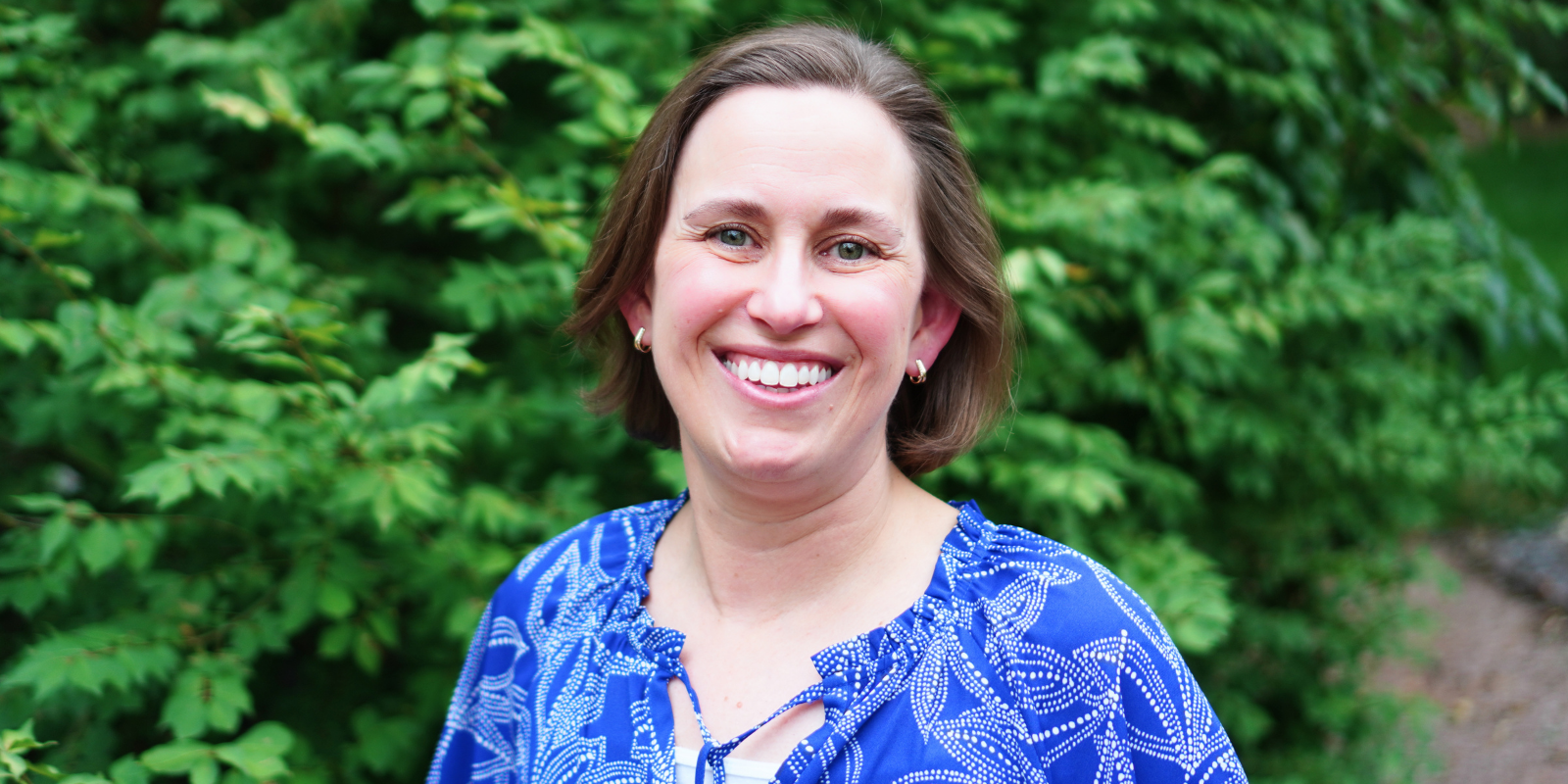
Long before she began helping patients as a leading cancer researcher, Heide Ford, PhD, envisioned a medical career of a different sort—as a veterinarian.
“I grew up in a very rural area of upstate New York, and I had a lot of pets, and I wanted to take care of animals,” says Ford, now associate director of basic research at the University of Colorado Anschutz Cancer Center. “I went to college as a biology major in a small upstate New York college that was also in a rural area, and I had a biochemistry professor who encouraged me to do research with him.”
It was there, at State University of New York at Geneseo, that Ford caught the research bug that led to her master’s and doctoral degrees in biochemistry from the University of Rochester, then a postdoctoral fellowship in cancer research at Boston’s famed Dana-Farber Cancer Institute and Harvard Medical School.
“In graduate school, I went into labs that were doing cancer-related research and got excited about the questions they were asking,” she says. “Cancer is a disease of self—it's when your own cells go awry—and developing ways to target the cancer without targeting normal cells is very difficult. Like many of us, I’ve been touched by cancer, so I felt like if I could combine my love for science with being able to explore areas I was interested in and also address a question that was really important, that would be the perfect career for me.”
Targeting plasticity
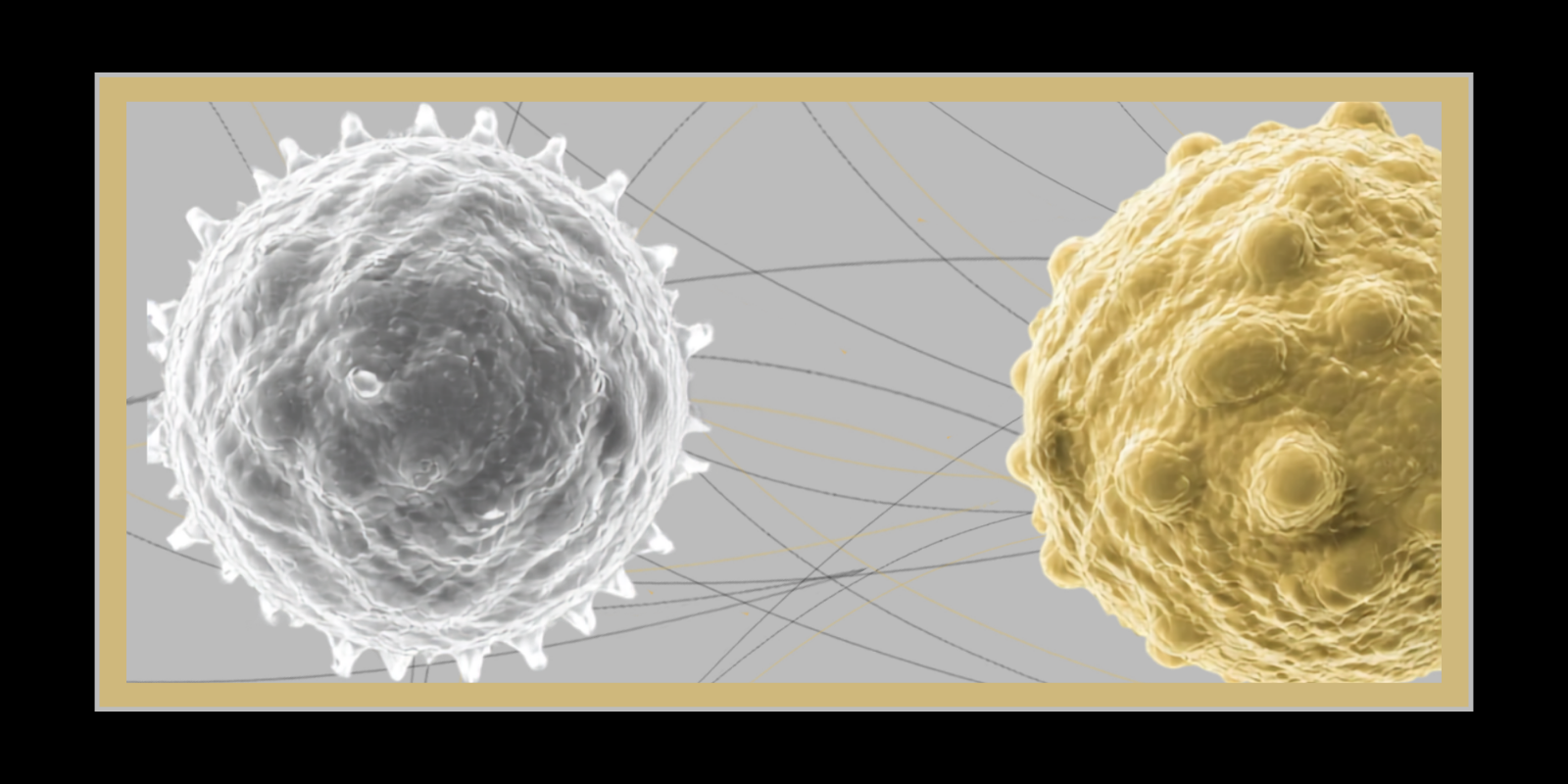
Ford recently received a Chancellor’s Distinguished Research Lectureship Award for her body of research asking an important question in cancer care: How do cancer cells change their physical state to survive and spread?
“We're interested in tumor cell plasticity and how tumor cells can respond to their environment, as the microenvironment changes for the tumor cells as they escape from the primary site and move to distant regions of the body,” says Ford, the University of Colorado Medicine Endowed Chair in Pharmacology. “A lot of our current therapies are directed at mutations in the primary tumor. But there are lots of things that are not mutations that allow the cells to toggle between different states at different times.”
A large part of Ford’s research is finding ways to target the “programs” the cancer cells use to change their state, many of which are similar to processes that happen before birth to help healthy cells grow and divide.
“Think of cancer as an invasive weed,” she says. “Weeds don’t remain confined to their original sites; instead, they push into cracks in sidewalks, rocky soil, and places where normal plants cannot survive. Cancer cells behave in much the same way. Rather than inventing entirely new survival strategies, however, they often hijack ancient programs our own cells once used during embryonic development—programs that allowed cells to be flexible and to thrive in diverse environments. These programs are largely switched off in healthy children and adults, making them especially attractive targets for therapy.”
Spirit of collaboration
With other cancer researchers at CU Anschutz and CU Boulder, Ford developed a small molecule compound to target these changes in gene expression. The results so far are positive, and the collaboration is a model for the relationships among researchers that she works to create as the cancer center’s associate director for basic research.
“One of the big pushes we've had lately is trying to build more programmatic science—more program project grants where people from different disciplines work together on important problems,” she says. “Along with the CU Anschutz School of Medicine, the cancer center now partners on mechanisms to fund investigators putting together multi-PI or cross-disciplinary projects. That's how I do all my science now. I work together with a structural biologist, a chemist, a developmental biologist, molecular biologists, and experts in breast cancers and various pediatric cancers, among others. Having all these collaborators is critical. You can move the needle much more quickly if you're working with people across disciplines.”
That’s especially true at the CU Anschutz Cancer Center, she says, where basic researchers work alongside clinical researchers who can help move their findings into real-world tests and trials.
“I live in a very basic science department, where we study basic molecular mechanisms of both normal homeostatic and disease processes. Ultimately, learning about basic biology and understanding how things work in the normal, non-diseased context can inform you about the diseased context and enable you to think more deeply about the clinical problem,” she says. “In the cancer center, we have a structure where basic, translational, clinical, and population health researchers all come together, which enables us to tackle the cancer problem from many angles as a team.”
Upward trajectory
Ford, who recently celebrated 25 years at the cancer center, has seen much change in that time, and all for the better, she says.
“The research here has grown so much. It's phenomenal,” she says. “And we're still on an upward trajectory. We've been very successfully recruiting really top-tier people, at all levels. I wouldn't be where I am or have gotten an award like the Chancellor’s Distinguished Research Lectureship Award if it weren't for the amazing people around me.”