What is glioblastoma, and how common is it for people to be diagnosed with glioblastoma their late 40s or early 50s?
Glioblastoma is relatively rare. If you look at the statistics, somewhere between 12,000 and 15,000 cases are diagnosed in the United States each year. By comparison, there are more than 200,000 new cases of lung cancer each year. Glioblastoma is rare, but it is associated with more morbidity and mortality. It tends to affect men more commonly than women, and the average age of diagnosis is around 65. But if you look at some of the trends, we're starting to get younger and younger patients. To see a 40-year-old dying from glioblastoma is not that uncommon.
How common is it for someone to die from a glioblastoma, as in Sophie Kinsella’s case?
As the most common malignant primary brain tumor that we see, glioblastoma is considered an incurable disease. Nearly every person will eventually succumb to progression of the tumor. So it's a pretty difficult diagnosis. The average survival is somewhere between 15 and 21 months following diagnosis.
How is glioblastoma treated?
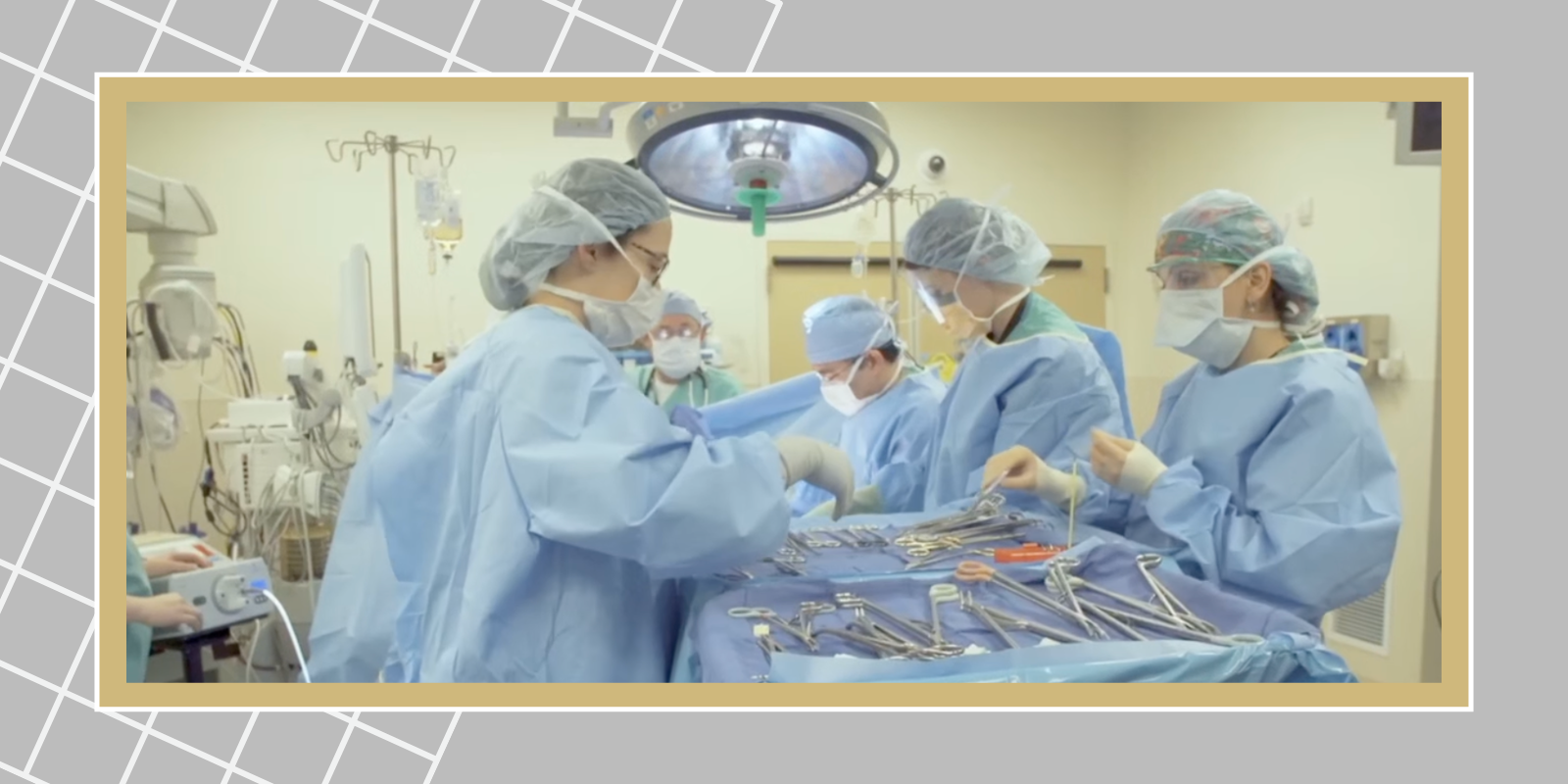
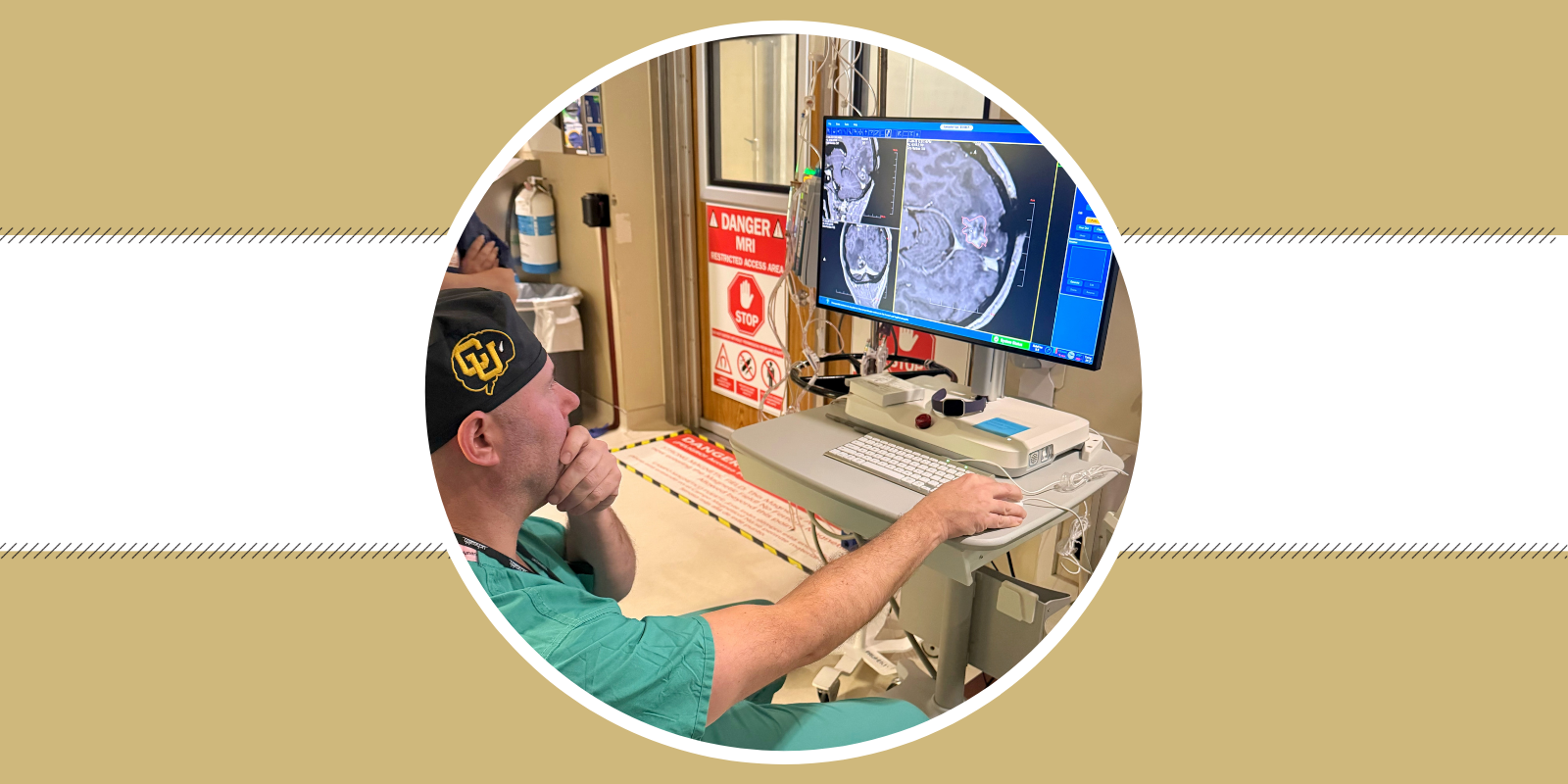
The standard of care involves what we call maximal safe resection, which means surgically removing as much of the tumor as you can, safely. We know that the more tumor you can get out, the better the prognosis will be. But even if you remove everything, the glioblastoma cells are what we call diffusely infiltrative — they penetrate into all the surrounding tissue. So even if we remove everything you can see on the MRI scan, we know that there are always tumor cells left behind. Surgery is not curative. After surgery, we give focal radiation with chemotherapy, then at least six months of additional chemotherapy following completion of radiation.
What are the symptoms that bring people in to get tested for glioblastoma?
Typically, patients will present with some sort of neurological symptom. The brain is so complex that there's not necessarily one identifiable symptom. It depends on where in the brain the tumor is growing. Sometimes it's a seizure, sometimes it's bad headaches, sometimes it's weakness, difficulty walking, or trouble with your vision. It can be any sort of neurological symptom, but that's usually what first brings people to medical attention. We will then do an MRI scan to diagnose it.
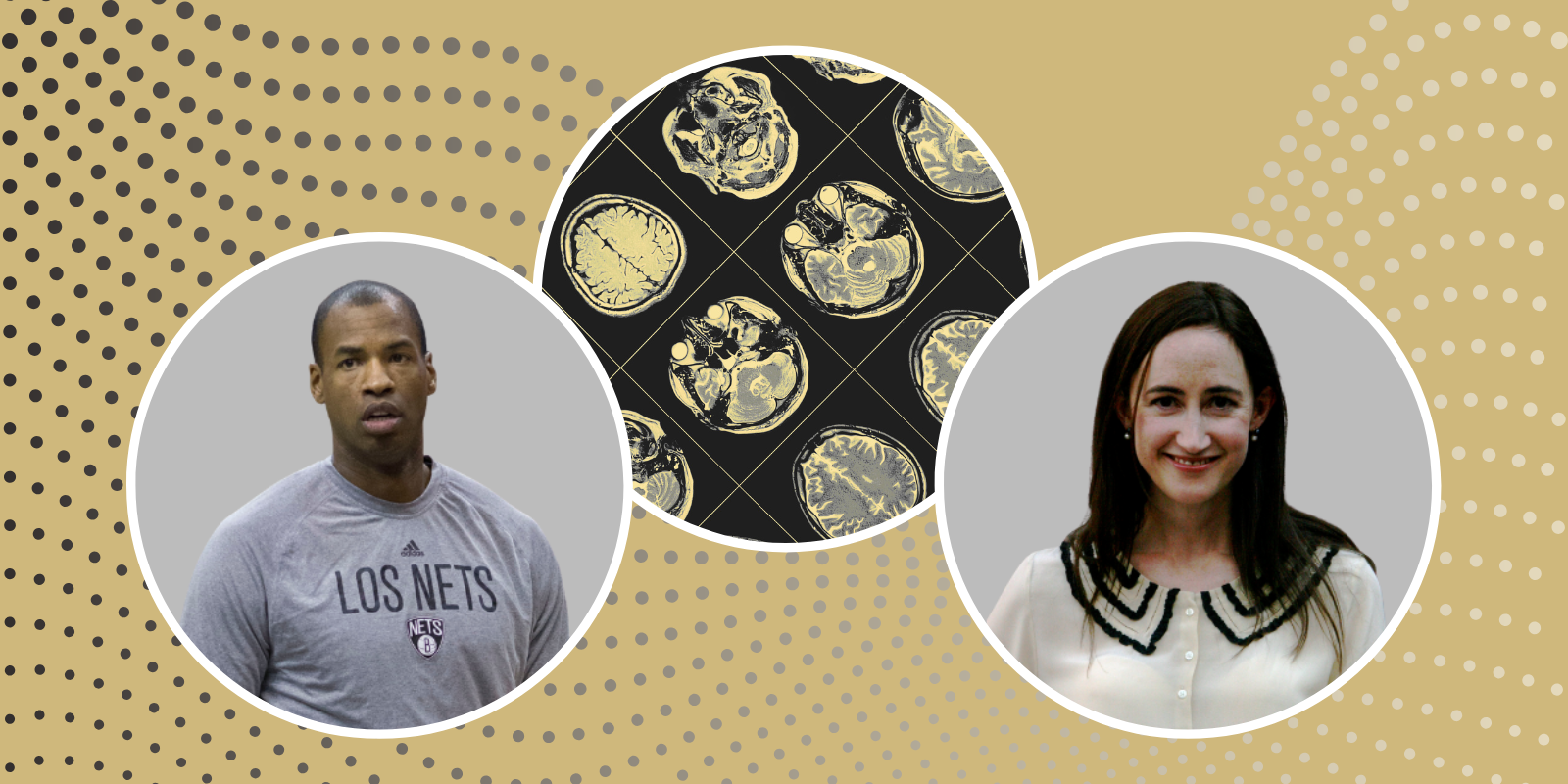
In his statement, former NBA player Jason Collins says his glioblastoma is stage 4. What does that mean in the context of glioblastoma?
Glioblastoma is a type of tumor in a general category called a glioma. There are other types of gliomas, and we grade gliomas based on their aggressiveness. A grade 4 glioblastoma is a grade four glioma, which is the most aggressive type of glioma you can have. Primary brain tumors like glioblastoma rarely spread outside the brain. They can spread and grow within the brain, but they rarely metastasize to other parts of the body.
How does it feel to see the news of two high-profile glioblastoma cases in young people in the same week?
In our practice — and I think this is probably true of most major academic medical centers — we tend to see younger patients than what the statistics tell us they should be. Seeing younger people with these aggressive tumors is not a surprise to those of us who work in this field. It's saddening, because these tumors are associated not only with a poor prognosis, but a lot of neurological symptoms. Part of our job is to try and maximize quality of life through all this, so that patients can live as normal of a life as they want to live throughout the whole process. It’s hard, because younger patients, in particular, are going to be very active. They're going to be in the middle of their careers. And this disrupts all of that.
Do you do physical therapy or similar interventions after the surgery to help with quality-of-life issues?
We use a lot of supportive resources. We use physical therapy, we use occupational therapy, we use speech therapy. We have a lot of resources available to us, including our oncologic psychologists to help with the psychosocial piece. We have our social workers, our dietitians — we really try and pull in a multidisciplinary team to help maximize quality of life for these patients.
Sophie Kinsella and Jason Collins were both open about their diagnosis and trying to raise awareness of glioblastoma. How important is that for people with their platforms?
I think it's really important, especially for a rare malignancy. The more we recognize symptoms and promote early recognition, the better our clinical trials are going to be, the better the outcomes are going to be, and the more opportunity we have to do better than what the standard treatment might carry. That kind of advocacy is important, because you're going to raise awareness in the public where maybe something like glioblastoma, because of the rarity, is not on their mind.
The other challenge we face is that historically, because outcomes have been so poor, the medical field can be nihilistic about treatment for glioblastoma — the idea that nothing really works, and patients are going to pass away from their disease anyway, so why even bother being aggressive? Even though we've come a long way, I think those of us who treat this disease still feel that there's this idea, particularly from the medical field, that there's no point in being aggressive with these patients.
Do the survival rates of patients with glioblastoma make it harder to get funding for research and clinical trials?
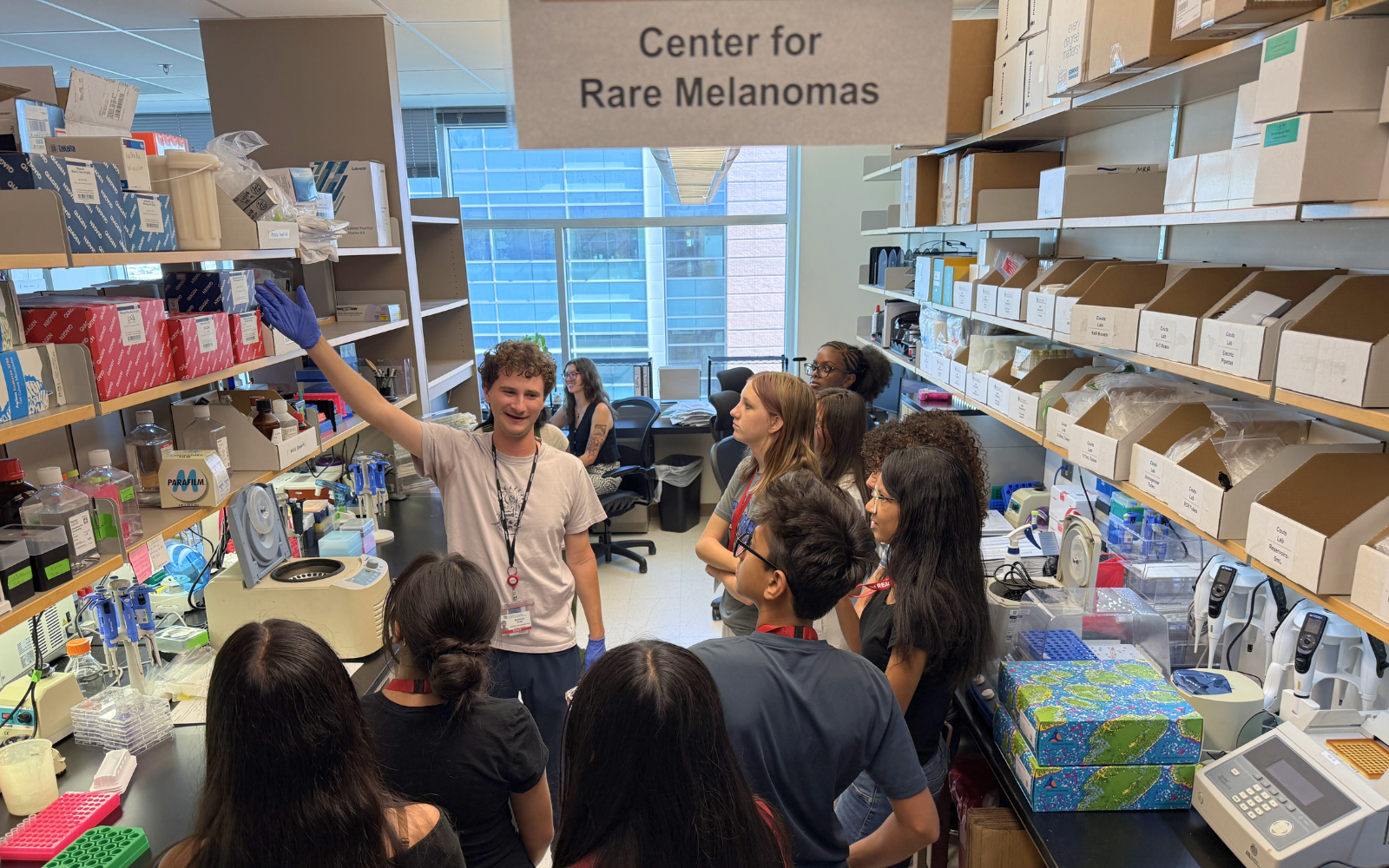
Absolutely. Rare diseases really suffer from not being a main point of funding for clinical trials and research. But in order to do better for these patients, we try to get them on clinical trials as much as we can. The research piece is really important, because that's the only way we're going to advance the care of this disease. One of the benefits of a major academic center like ours is that we have access to clinical trials, and we have the ability to get patients more cutting-edge treatments, which is the only way we're going to make any headway against this cancer.