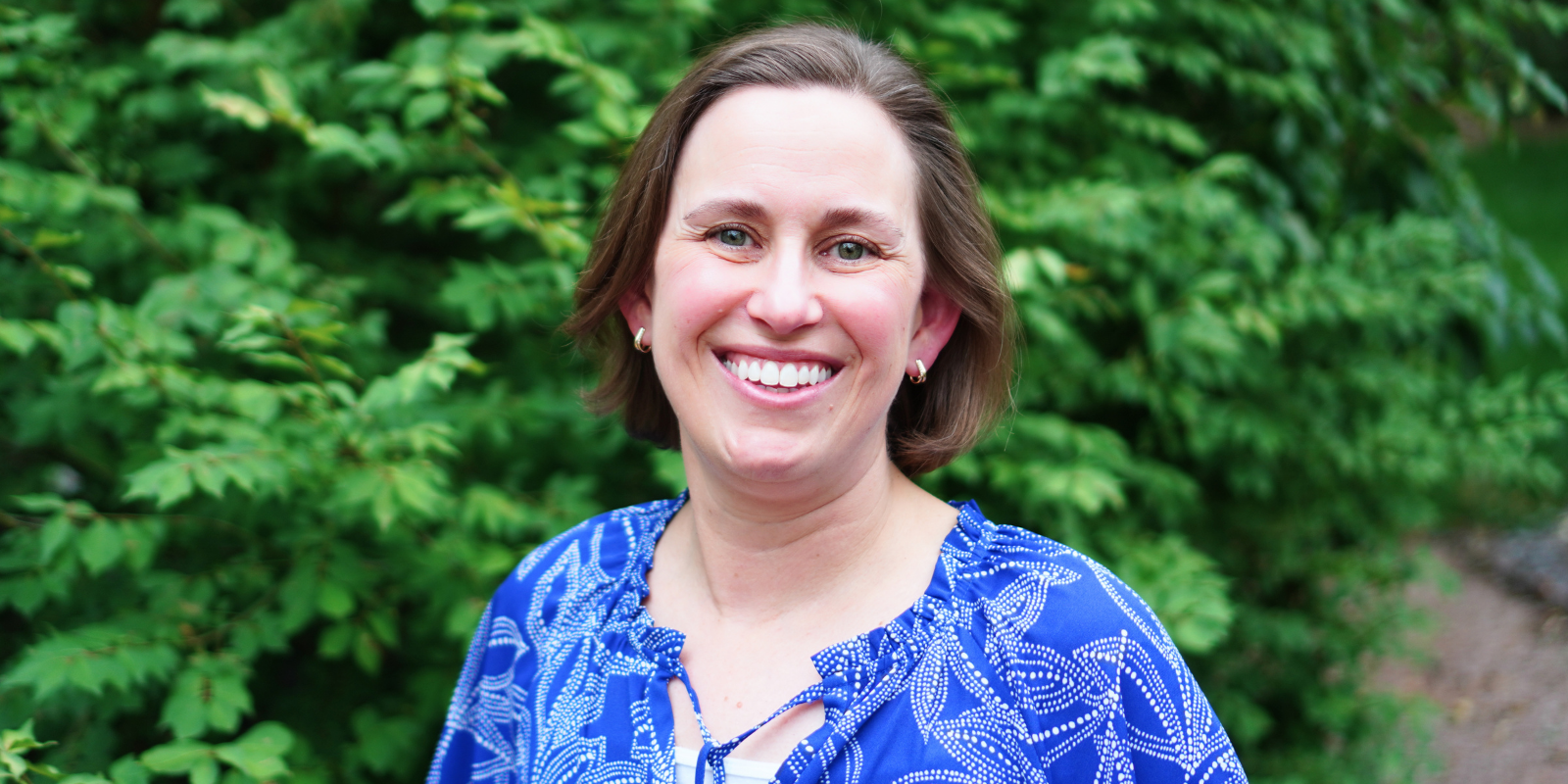

The leaders of two University of Colorado Cancer Center shared resources have received prestigious R50 awards from the National Cancer Institute — funding designed to provide a stable source of salary support for core lab scientists who work collaboratively with other investigators to further their research.
Molishree Joshi, assistant research professor and associate director of the Functional Genomics Shared Resource, and Kimberly Jordan, co-director of the Human Immune Monitoring Shared Resource, both received perfect scores on their grant applications, leading to the first-ever R50s for core-based scientists at CU Anschutz.
“It’s extremely competitive, and there are only a handful of institutions in the whole country that receive them, so the fact that our cancer center has two of them is pretty remarkable,” Jordan says.
We spoke with Joshi and Jordan to learn more about their shared resources and what the grants will allow them to do.
Functional Genomics
What does the Functional Genomics Shared Resource do?
Joshi: We provide researchers with advanced tools and expertise to study gene function. We specialize in technologies like RNA interference and CRISPR-based genome editing. We do cell engineering. We are also a viral vector core. We've been making lentiviruses for a long time, and we are gearing up to start the adeno-associated virus packaging service soon. We also took over the protein production core recently, so the newest service that has been added to our portfolio is protein and antibody production.
Who do you serve?
Joshi: We are the only core of our kind in the entire state and the four neighboring states, so in addition to CU Cancer Center researchers, we are a core for all the academic campuses in Colorado. And with our new customized services, we can offer our services to anybody in the country.
What's an example of a research project that uses your resource?
Joshi: Our core team developed the CU druggable panel, which is a CRISPR library that we designed and created. Essentially, it's a library you can use to do a genetic screen. It targets all the genes that can be targeted by FDA-approved drugs, so in a single experiment, you can investigate about 1,500 different genes. This library has been very actively used by the Pediatric Oncology Group in pediatric neuro-oncology tumors like medulloblastoma, and they've identified several novel targets that they are studying and hoping to take to clinical trials.
What will the R50 grant allow you to do?
Joshi: The R50 grant supports career development. The idea behind our R50 is that I can dedicate some time to developing novel resources and novel technology to support cancer research. The grant is going to allow me to dedicate my time to bringing new, cutting-edge technology to the campus.
What do you like most about leading the Functional Genomics Shared Resource?
Joshi: Our job is to figure out what the investigator is trying to get to and how to help them get there. We are building the tools that will answer the scientific questions they are asking. A lot of times, they come to us and say, “This is what we want,” and we have to figure out how to build that cell line, how to build that library. Every project brings a new set of challenges that we have to figure out. Troubleshooting is a very basic part of our job, but I really like it. I love that we can be part of so many different types of research, and it constantly helps me to use the knowledge I gain from one research project on another research project. We've become the knowledge hub for the resources we provide.
Human Immune Monitoring Shared Resource
What does the Human Immune Monitoring Shared Resource do?
Jordan: We primarily do immunology-related assays, high-parameter assays for liquid or tissue biopsies. The main goal of our assays is to discover biomarkers, to find immune correlates of response in cancer patients, and to find potential druggable targets that could be used in immunotherapy or combined treatments. We offer panel development and sample preparation for flow and mass cytometry, and we do digital PCR for cellular therapy persistence assays. On the tissue biopsy side, we offer many different tissue imaging platforms, all of which are very high parameter and cutting edge. We have a nine-color multi-immunoassay for fluorescence in tissues, and we have up to 40 colors on a new instrument that was funded just last year with an NIH S10 grant.
What will the R50 grant allow you to do?
Jordan: My R50 is focused on developing co-detection assays so that we can utilize two of our technologies — for example, the Xenium spatial transcriptomics and our high-parameter proteomic platform — on the same tissue, so researchers can analyze RNA expression and protein expression on the same slide.
What's an example of research that uses your resource?
Jordan: One of the highlights is our collaboration with the Gates Institute, where we are the support for all the clinical trials going on in campus. Those CAR T cells are being manufactured at Gates and then they get transferred to the patients. We get the patient blood post-transfer, and we do the cytokine measurements and the CAR persistence assays. In some of the solid tumor trials that they're working toward right now, we'll be doing the spatial transcriptomics on those tissues as well.
What's it like to work with researchers and provide them with these tools?
Jordan: I like the fact that we can be creative and adapt each of our assays to whatever those investigators need. We are customizing everything for each investigator and really homing in on what their research needs are. I like that adaptability. It constantly requires us to do new assay development, which I find to be fun and interesting. My favorite part of the job is figuring out why things don't work, because most of the time they don't work the first time. Everything's being customized, and that's the part I really like.
Featured image: Molishree Joshi, left, and Kimberly Jordan, right.